
OSHA Rules for Powered Industrial Trucks

OSHA’s rules for powered industrial trucks (29 CFR 1910.178) set strict safety standards to reduce workplace accidents. Key points include:
- Training: Only certified operators aged 18+ can operate these vehicles. Training involves formal instruction, hands-on practice, and workplace evaluations.
- Inspections: Daily checks are mandatory to ensure equipment safety. Unsafe trucks must be removed from service immediately.
- Truck Types: OSHA defines seven classes of trucks based on power source and design, with specific safety guidelines for each.
- Operator Safety: Operators must follow load handling, stability, and traffic management practices to prevent accidents.
- Maintenance: Repairs and modifications require manufacturer or engineer approval, and all records must be updated.
Between October 2021 and September 2022, OSHA issued 1,875 citations related to these rules, with penalties exceeding $6.2 million. Compliance is crucial for safety and avoiding fines.
OSHA Forklift Checklist 2025: The Ultimate Compliance Guide for Businesses
sbb-itb-6be7c12
What Are Powered Industrial Trucks?
According to OSHA's 29 CFR 1910.178, a powered industrial truck is defined as "a mobile, power-propelled truck used to carry, push, pull, lift, stack, or tier materials". These vehicles can be operated by a driver seated on the truck or controlled externally. Examples include forklifts, motorized hand trucks, platform lift trucks, and tractors powered by either electric motors or internal combustion engines.
However, certain equipment falls outside this definition. Trucks powered by compressed air or nonflammable compressed gases, farm vehicles, earth-moving equipment, and vehicles designed primarily for highway use are not classified as powered industrial trucks under OSHA's guidelines.
Definitions and Classifications
To address safety requirements effectively, OSHA categorizes powered industrial trucks based on their power source, tires, and design. There are seven main classes:
- Classes I–III: These vehicles are powered by electric motors.
- Classes IV & V: These trucks use internal combustion engines.
- Class VI: Includes tractors that may run on either electric or internal combustion engines.
- Class VII: Designed for rough terrain, these forklifts are built to handle uneven or natural surfaces.
In addition to these classes, OSHA defines 11 designations (D, DS, DY, E, ES, EE, EX, G, GS, LP, and LPS) that reflect the level of fire and explosion protection. For example, Type EX trucks are built for environments with flammable vapors or dust, while Type G trucks are gasoline-powered and have basic safety features.
Understanding these classifications and designations is critical for meeting OSHA standards and ensuring safe operations in various settings.
Common Workplace Applications
The versatility of powered industrial trucks makes them essential across different industries. Each class serves specific purposes tailored to workplace demands:
- Class II narrow aisle trucks, like order pickers and reach trucks, are ideal for warehouses and distribution centers. They excel in tight spaces and maximize vertical storage efficiency.
- Class I electric rider trucks are commonly used indoors, especially in environments like food storage facilities where maintaining good air quality is important.
- Class VII rough terrain forklifts are built for construction sites and outdoor areas with uneven surfaces. Their pneumatic tires and telescoping booms make them perfect for handling loads at varying heights and distances.
For shorter-distance tasks, Class III electric pallet jacks are commonly used at loading docks to move goods between trailers and storage areas. Meanwhile, Class VI tractors are often seen towing luggage at airports or transporting materials on assembly lines in automotive plants.
It’s important to note that only certified operators who meet the required age and training standards are permitted to operate these trucks, ensuring both safety and compliance.
Operator Training Requirements

OSHA Forklift Operator Training Requirements and Certification Process
OSHA requires that all operators of powered industrial trucks complete a structured training and evaluation program to ensure safe operation. Employers are responsible for making sure operators meet these requirements before they begin working independently.
The training process includes three key components: formal instruction, practical exercises, and a workplace performance evaluation. Formal instruction can take many forms, such as lectures, videos, interactive computer-based lessons, or written materials. Practical training involves demonstrations by a qualified trainer, followed by hands-on practice for the operator. Finally, the operator’s skills are assessed in real workplace conditions.
"Training shall consist of a combination of formal instruction (e.g., lecture, discussion, interactive computer learning, video tape, written material), practical training (demonstrations performed by the trainer and practical exercises performed by the trainee), and evaluation of the operator's performance in the workplace." - 29 CFR 1910.178(l)19
The training must address two main areas: truck-related topics and workplace-specific topics. Truck-related topics include operating controls, steering, visibility, capacity, stability, and refueling procedures. Workplace-specific topics focus on conditions like surface types, pedestrian traffic, load handling, narrow spaces, ramps, and areas with poor ventilation. Since different trucks have unique handling characteristics, training should be tailored to the specific equipment being used.
Only trainers with the necessary knowledge, experience, and skills can conduct training and evaluations. Additionally, federal regulations prohibit anyone under 18 from operating a forklift in non-agricultural settings. This structured approach ensures operators are prepared to handle a variety of workplace scenarios safely.
Training Program Standards
An OSHA-compliant training program must address both the equipment being used and the specific hazards of the workplace. Operators trained on one type of truck - such as a sit-down counterbalanced rider - can operate other models of the same type without additional training, provided the controls and characteristics are similar. However, switching to a completely different type of truck, like a rough-terrain forklift, requires additional training to cover the new equipment’s unique features.
Training should also include concepts like the stability triangle to explain tipping risks. If the truck has safety features like seat belts or restraint systems, operators must be trained on their proper use. Employers who hire third-party trainers or consultants are still responsible for ensuring the training program addresses site-specific conditions and for keeping accurate training records. If an operator has already been trained on a required topic and is deemed competent, that portion of the training doesn’t need to be repeated. Supervisors should correct unsafe behaviors immediately, and if repeated corrections are necessary, formal refresher training should be scheduled.
Refresher Training and Performance Evaluation
After initial certification, operators must undergo periodic refresher training to maintain their skills. Unlike initial training, refresher sessions are triggered by specific events or changes. Employers are also required to evaluate each operator’s performance at least once every three years.
-
Unsafe Operation
- Observed unsafe operation
-
Incident Involvement
- Involvement in an accident or near-miss
-
Failed Evaluation
- Unsafe operation revealed in evaluation
-
Equipment Change
- Assigned to a different type of truck
-
Workplace Changes
- Altered conditions affecting safety
"The standard's performance language does not set an absolute requirement that an operator cease to work immediately following an incident. This allows employers flexibility when considering the severity of the incident that triggered the need for retraining." - Russell B. Swanson, Director, Directorate of Construction
Supervisors play a key role in monitoring for unsafe behaviors, like speeding or improperly handling loads, to determine if retraining is necessary. After any refresher training, the effectiveness of the session must be evaluated immediately.
Certification Requirements
OSHA mandates that employers certify each operator’s training and evaluation under standard 29 CFR 1910.178(l). This certification isn’t a government-issued license but rather a record maintained by the employer to confirm the operator’s competency. Certification is issued after the operator completes all required steps: formal instruction, practical training, and workplace evaluation.
Each certification record must include the following details: the operator’s name, the training date, the evaluation date, and the name of the trainer or evaluator. Additionally, the record must specify the type of equipment the operator is authorized to use, such as a "sit-down counterbalanced rider truck."
"The certification shall include the name of the operator, the date of the training, the date of the evaluation, and the identity of the person(s) performing the training or evaluation." - 29 CFR 1910.178(l)(6)
Even if a third-party trainer or union is involved, the employer is ultimately responsible for ensuring training records are available during OSHA inspections. If an operator has been properly trained and evaluated but the certification record is missing, OSHA may not issue a citation immediately if the issue is corrected promptly. However, maintaining accurate documentation from the start is the best way to comply with OSHA standards and promote a safer work environment.
Inspection and Maintenance Requirements
Routine inspections are as crucial as operator training when it comes to ensuring the safety and reliability of powered industrial trucks. OSHA mandates daily inspections before use for all powered industrial trucks. Trucks used continuously throughout the day require post-shift inspections, while those used occasionally must be checked every time they are operated - not just on days when they sit idle.
"Industrial trucks shall be examined before being placed in service and shall not be placed in service if the examination shows any condition adversely affecting the safety of the vehicle."
– 29 CFR 1910.178(q)
If a truck is found to be unsafe, defective, or in need of repairs, it must be removed from service immediately. Repairs should only be conducted by authorized personnel who are properly trained to handle such tasks.
Daily Inspection Checklists
A thorough inspection involves two steps: a pre-start visual check (with the key off) and an operational check (with the engine running). While OSHA does not require a written checklist, using one can help ensure all critical safety components are inspected and documented.
"Although there is no specific OSHA requirement that a checklist be used, an employer does have the responsibility to determine that PITs are properly inspected."
– Richard E. Fairfax, Director, Directorate of Enforcement Programs
Inspection requirements differ depending on the truck's power source:
- Electric forklifts: Examine battery cables, connectors, electrolyte levels, and battery restraints.
- Propane trucks: Check tank mounting, hose connections, pressure relief valves, and look for dents or leaks.
- Diesel and gasoline trucks: Inspect fuel levels, engine oil, coolant, air filters, belts, and hoses.
| Component | Electric Trucks | Propane (LPG) Trucks | Diesel/Gasoline Trucks |
|---|---|---|---|
| Power Source Checks | Battery cables/connectors, electrolyte levels, battery restraints | Tank mounting, relief valve position, hose/connectors, dents or cracks | Fuel levels, engine oil, engine coolant, air filter, belts, hoses |
| Operational Checks | Battery discharge indicator, hour meter, lift/tilt controls | Fuel gauge, oil pressure lamp, water temperature gauge | Fuel gauge, oil pressure lamp, ammeter, hour meter |
| Common Systems | Tires, forks, mast, overhead guard, brakes, horn, lights, seat belt | Tires, forks, mast, overhead guard, brakes, horn, lights, seat belt | Tires, forks, mast, overhead guard, brakes, horn, lights, seat belt |
When inspecting mast chains, always use tools instead of hands to avoid injury. Additionally, proper personal protective equipment (PPE) - such as gloves, face shields, and aprons - should be worn when checking battery electrolyte levels or handling liquid propane tanks. Any issues found during inspections must be logged and reported to a supervisor. Daily inspections should be paired with effective maintenance practices to maintain safety.
Maintenance Best Practices
Adhering to the manufacturer's preventive maintenance schedule is key to keeping equipment safe and operational. Employers should maintain a dedicated log for each truck, recording daily inspections and any identified issues. It’s also essential to ensure that nameplates, caution labels, and capacity decals remain intact and readable, as they are part of the truck’s required documentation.
When cleaning equipment, use non-combustible cleaning agents with a flash point of at least 100°F. Be sure to document precautions related to toxicity and ventilation. Keeping trucks clean helps reduce fire risks. If any part of the truck exceeds its normal operating temperature, it must be taken out of service until the problem is resolved. Additionally, operators should report unusual noises or vibrations, as these could signal mechanical issues that need immediate attention.
Safe Operation Practices
Once inspections and training are complete, the next step is ensuring safe operation. This involves understanding load dynamics, staying aware of surroundings, and following traffic guidelines. While OSHA doesn't specify exact speed limits for powered industrial trucks, their rule is straightforward: trucks must always be operated at speeds that allow them to stop safely under any conditions.
"Under all travel conditions the truck shall be operated at a speed that will permit it to be brought to a stop in a safe manner."
– 29 CFR 1910.178(n)
Richard E. Fairfax, Director of OSHA's Directorate of Enforcement Programs, explained that determining a safe speed depends on factors like the type of truck, the load being carried, stopping distances, surface conditions, and pedestrian activity. Operators should reduce speed on wet or slippery floors, slow down for turns, and maintain a distance of three truck lengths from the vehicle ahead.
Load Handling and Stability
Understanding the stability triangle is crucial for preventing tip-overs. The combined center of gravity for the truck and load must stay within this triangle to maintain stability.
"When the vehicle's line of action, or load center, falls within the stability triangle, the vehicle is stable and will not tip over. However, when the vehicle's line of action or the vehicle/load combination falls outside the stability triangle, the vehicle is unstable and may tip over."
– Occupational Safety and Health Administration
Never exceed the truck's rated capacity. For trucks with a capacity of 30,000 pounds or less, the load center is typically rated at 24 inches; larger trucks often use 36- or 48-inch load centers. Extending the load beyond the rated center significantly reduces the truck's safe carrying capacity. Always center the load with the heaviest part closest to the front wheels. Insert forks at least two-thirds the length of the load, tilt the mast back during transport, and keep loads 6 to 8 inches off the ground. Before picking up a load, stop 8 to 12 inches in front of it. Never travel with the mast tilted forward, as this compromises stability.
Dynamic forces, such as braking, turning, or lifting, can shift the center of gravity and cause instability - even when operating within weight limits. To minimize risks, secure or band loose materials before moving them. When stacking, place heavier items on the bottom and lighter ones on top.
| Stability Term | Definition |
|---|---|
| Center of Gravity | The point where all weight of an object is concentrated. |
| Load Center | The horizontal distance from the forks' vertical face to the load's center of gravity. |
| Longitudinal Stability | Resistance to tipping forward or backward. |
| Lateral Stability | Resistance to tipping sideways. |
| Moment | The product of an object's weight and its distance from the fulcrum. |
Once loads are secure and properly handled, the focus shifts to managing workplace traffic and potential hazards.
Workplace Traffic and Hazard Management
Clear pathways and situational awareness play a key role in preventing accidents. Always maintain forward visibility. If a load blocks your view, drive in reverse with the load trailing, and sound the horn at cross aisles, doorways, and other obstructed areas. When reversing, look behind you and, in busy areas, consider using a ground guide or spotter. Backup alarms are helpful but shouldn't be solely relied upon, as workplace noise can make them hard to hear.
Pedestrians always have the right of way. Yield to foot traffic, make eye contact when possible, and signal for pedestrians to stand clear. Use barriers like railings, designated walkways, or floor markings to separate pedestrians from equipment pathways. Mirrors or spotters at blind intersections can also improve visibility. In dimly lit areas (less than two lumens per square foot), headlights are required.
When navigating inclines, loaded trucks should face uphill when ascending and travel in reverse when descending. Unloaded trucks should always have their forks pointed downhill. Reduce speed on wet or slippery surfaces and when transitioning between indoor and outdoor lighting, as visibility can be temporarily affected. Never pass other trucks at intersections, blind spots, or other hazardous areas.
Before entering a trailer, set the brakes and chock the rear wheels. Check the trailer floor to ensure it can support the combined weight of the forklift and its load. If the operator is 25 feet or more away from the truck - even if it's still in view - the truck is considered "unattended." In this case, lower the load completely, neutralize the controls, turn off the power, and set the brakes.
| Traffic Scenario | Required Operator Action |
|---|---|
| Cross aisles/Blind spots | Slow down and sound the horn |
| Obstructed forward view | Travel in reverse with the load trailing |
| Following another truck | Maintain three truck lengths of distance |
| Wet or slippery floors | Reduce speed significantly |
| Approaching pedestrians | Yield right of way and signal clearly |
| Ascending/Descending grades | Drive slowly and maintain proper load orientation |
For expert guidance and OSHA-certified operator training, TDS Erectors & Crane Service can help ensure your operations meet safety standards. Their support can make a real difference in maintaining compliance and reducing risks.
Equipment Modifications and Repairs
Making changes to a powered industrial truck isn’t something you can do on a whim. It requires strict compliance with manufacturer guidelines because unauthorized modifications can lead to serious safety risks.
Modification Approval and Documentation
Any change that impacts a truck’s capacity or safe operation must have written approval from the manufacturer beforehand.
"Modifications and additions which affect capacity and safe operation shall not be performed by the customer or user without manufacturers prior written approval. Capacity, operation, and maintenance instruction plates, tags, or decals shall be changed accordingly."
– 29 CFR 1910.178(a)
If the manufacturer refuses to approve the modification or doesn’t respond, you’ll need to seek written approval from a Registered Professional Engineer (RPE). The RPE will conduct a full safety analysis of the proposed modification. According to Richard E. Fairfax, Director of OSHA's Directorate of Enforcement Programs, using an RPE in such cases is considered a de minimis violation, as long as the safety analysis is thoroughly documented.
Once modifications are approved, update all capacity plates, tags, and decals to reflect the new specifications. For trucks with front-end attachments, the updated markings must include the approximate weight of the truck and attachment combination at maximum elevation, with the load centered. If the original manufacturer is no longer in business, reach out to any successor company. If none exists, an RPE can step in to approve the changes.
Following these steps ensures compliance with OSHA standards and keeps your equipment safe for use.
Out-of-Service Guidelines
Just like modifications, keeping equipment in proper working condition is non-negotiable. If a truck shows any signs of being unsafe - whether it’s faulty steering, brakes, horns, or hoist systems - it must be taken out of service immediately and repaired.
"If at any time a powered industrial truck is found to be in need of repair, defective, or in any way unsafe, the truck shall be taken out of service until it has been restored to safe operating condition."
– 29 CFR 1910.178(p)
Report any issues as soon as they’re discovered. Problems such as fuel leaks, overheating, or malfunctioning parts require immediate attention. Repairs should only be performed by authorized personnel using parts that match the original specifications for strength and performance. Repairs involving fuel systems or ignition components, which could pose fire risks, must be completed in designated safe areas.
For trucks that are in constant use, inspections should happen after every shift. Implement a clear tag-out system to ensure defective equipment stays out of operation until repairs are completed and verified. Companies like TDS Erectors & Crane Service provide OSHA-certified operators who are familiar with these procedures and can help ensure your fleet stays compliant and safe.
Conclusion
OSHA’s powered industrial truck regulations are non-negotiable and play a critical role in maintaining workplace safety and operational efficiency. To minimize accidents, injuries, and penalties, it’s essential that all operators complete the required training and certification. Additionally, daily inspections must be conducted diligently, and only certified operators aged 18 or older are authorized to use forklifts.
Compliance depends on several key practices: thorough operator training with evaluations every three years, immediate removal of defective equipment from service, and ensuring that any modifications to trucks are OSHA-approved. These measures not only align with federal law but also help create a safer workplace. They address common hazards such as trucks driving off loading docks or workers being struck by vehicles.
"Only trained and competent operators shall be permitted to operate a powered industrial truck."
– OSHA
Achieving compliance requires expertise, and companies like TDS Erectors & Crane Service specialize in providing OSHA-certified operators, equipment solutions, and support to help businesses meet these standards. Their services allow organizations to focus on their core operations while staying compliant.
FAQs
What counts as a powered industrial truck under OSHA?
Under OSHA regulations, a powered industrial truck refers to any mobile, power-driven vehicle designed to carry, push, pull, lift, stack, or tier materials. This category includes forklifts and similar vehicles widely used in industrial and commercial settings. To maintain safety in the workplace, these vehicles must meet OSHA's safety standards, ensuring they are operated correctly and securely.
When is refresher forklift training required?
Refresher forklift training is necessary when an operator's performance needs to be reassessed or when there are changes in job assignments, equipment, or workplace conditions that might affect safety. This helps operators stay aligned with OSHA standards while continuing to practice safe operations in ever-changing work settings.
Do daily forklift inspections need to be documented?
Yes, daily forklift inspections need to be documented to meet OSHA standards. This process ensures that safety checks are performed before use and provides a written record to demonstrate compliance with regulatory guidelines.
Related Blog Posts
Blogs, calculators, and other content on the TDS blog is for educational purposes only and does not constitute crane or rigging advice. For information specific to your situation, please contact us for an estimate or consultation.
Related Articles
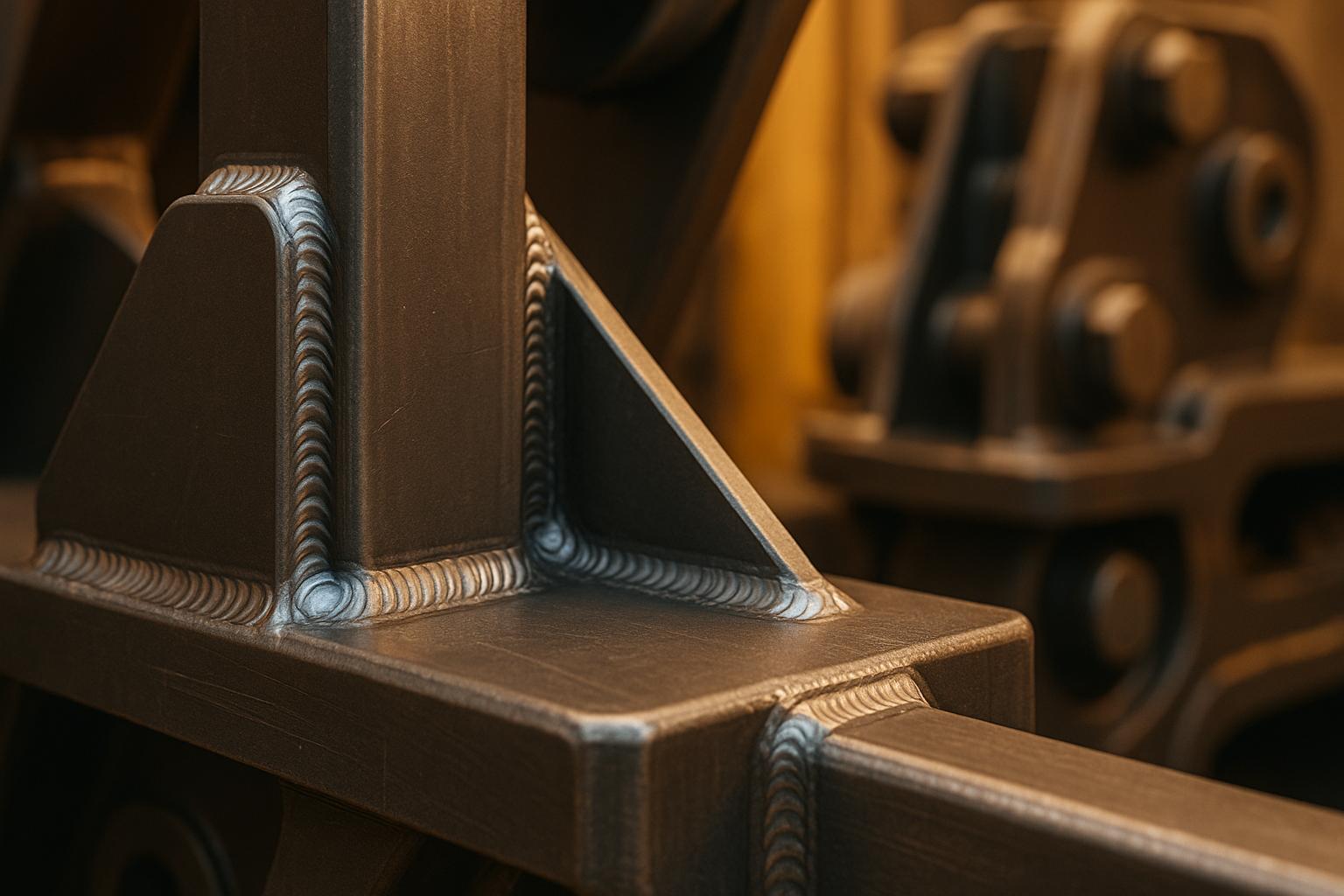
How Structural Welding Impacts Equipment Durability
Explore how structural welding enhances equipment durability, reduces maintenance costs, and ensures long-lasting performance in heavy machinery.
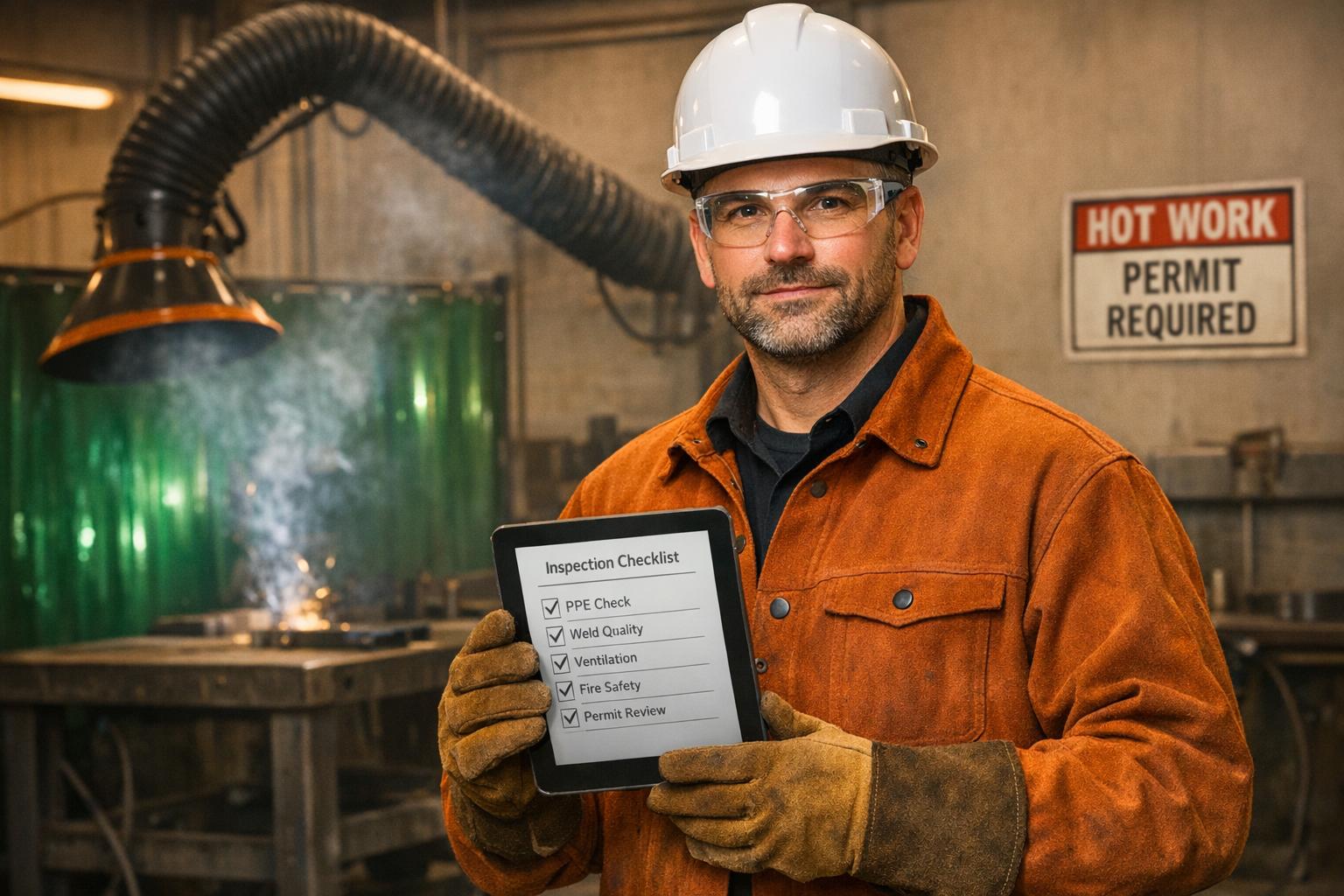
Best Practices for Welding Inspection Safety
Welding inspection safety guide covering PPE, LEV ventilation, pre-weld checks, NDT, and OSHA-compliant hot-work and emergency procedures.
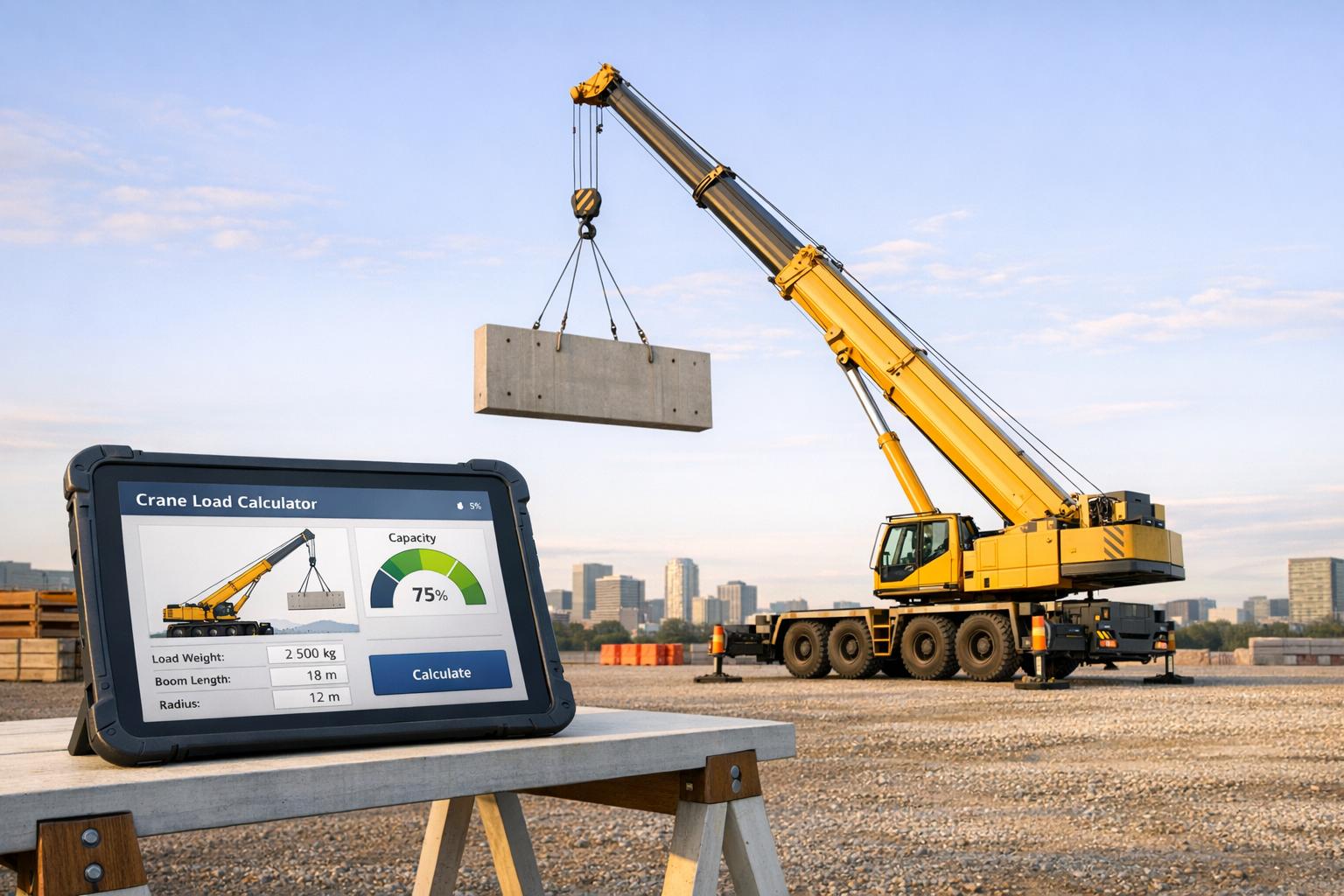
Crane Load Calculator for Safe Lifting
Calculate safe crane load capacities with ease! Input crane type, boom length, and more to ensure safety on your construction site. Try it now!