
Boom Lift Calculator
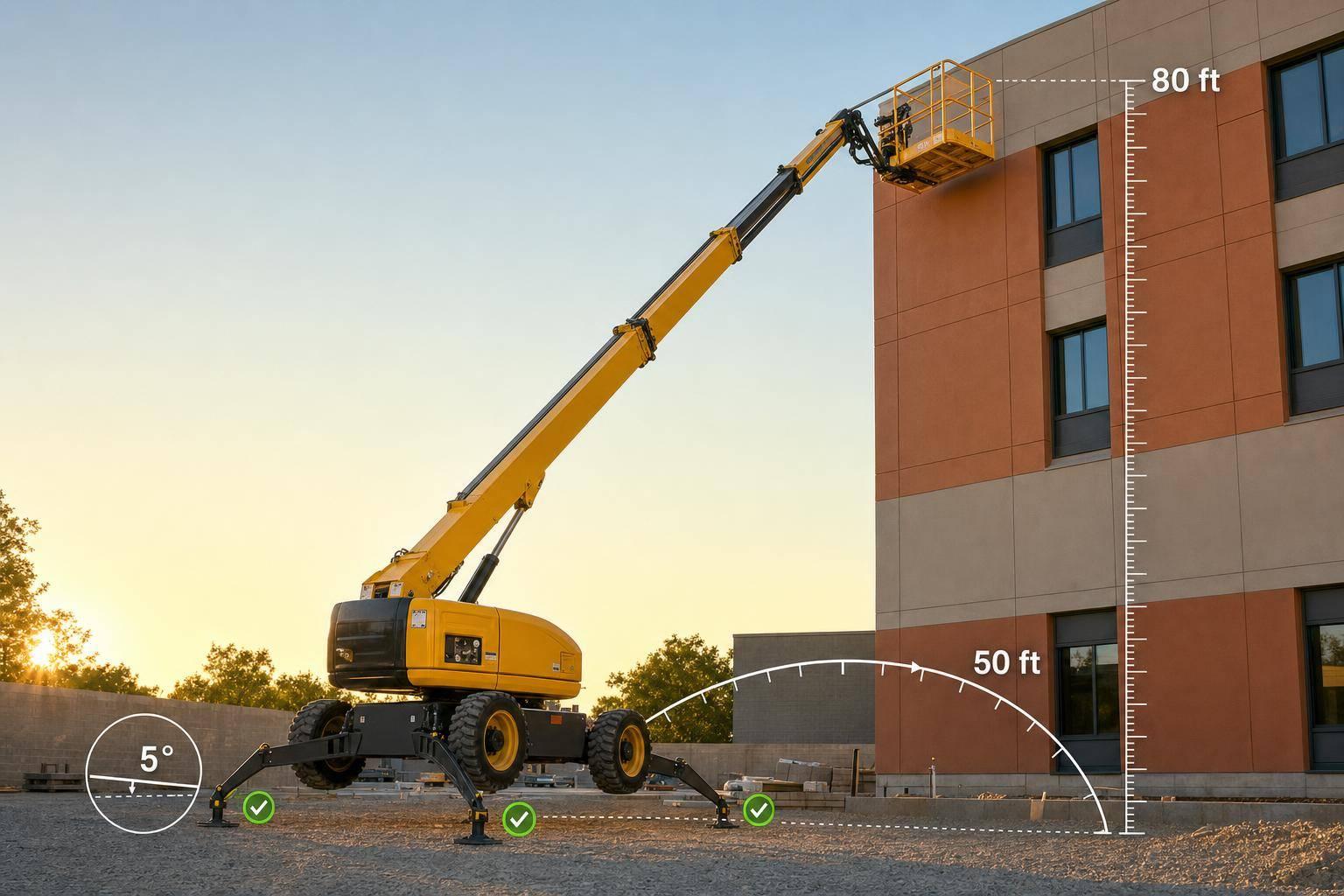
Boom Lift Calculator for Practical Job Planning
A boom lift calculator can save time when you're trying to match a machine to the work before equipment arrives on site. Instead of guessing, you can estimate required platform height, horizontal outreach, and how ground slope may affect your planning target. That’s especially useful for estimators, supervisors, and crews who need a quick reality check before moving on to equipment selection.
What This Tool Helps You Estimate
This planner looks at the basics: desired working height, basket offset, outreach, slope or grade, and optional obstacle clearance. It also flags an important real-world issue—platform load can reduce usable reach on many machines. The tool keeps that warning visible without inventing manufacturer-specific limits.
Built for Planning, Not Final Approval
A good boom lift calculator should be helpful without giving false confidence. This one is designed for education and early planning, with simple results rounded to practical field precision. You’ll also see a reminder that telescopic booms often favor straight reach, while articulating models are usually better for up-and-over access.
Always Verify Before You Lift
Use this boom lift calculator to narrow down your options, then verify the final machine with OEM load charts, operator guidance, and jobsite safety requirements. That last step is where the real decision gets made.
FAQs
Does this boom lift calculator tell me exactly which machine I can use?
No. It’s a planning tool, not a machine approval tool. It helps you estimate the minimum platform height and a reasonable horizontal reach target based on the numbers you enter, but final operating limits vary by make, model, load, configuration, and jobsite conditions. You should always confirm the exact machine selection with the manufacturer’s chart, the equipment provider, and your site safety rules.
Why does slope affect planning reach?
Even small changes in grade can affect setup conditions, machine positioning, and how much practical outreach you may have on a real job. This tool uses a simplified planning adjustment so users can think more conservatively when working on uneven ground. It does not represent OEM-rated performance, and if the slope is high, that’s a sign to slow down and verify allowable limits carefully because many boom lifts have strict leveling and grade restrictions.
What’s the difference between articulating and telescopic boom lifts here?
The calculator includes a simple planning note because the two machine styles are often chosen for different access needs. Telescopic boom lifts usually offer stronger straight-line outreach and are often preferred when you need direct horizontal access. Articulating boom lifts are commonly better for up-and-over access around obstructions. That said, real performance depends on the specific machine, platform load, and setup conditions, so this comparison is only a general guide.
Blogs, calculators, and other content on the TDS blog is for educational purposes only and does not constitute crane or rigging advice. For information specific to your situation, please contact us for an estimate or consultation.
Related Articles
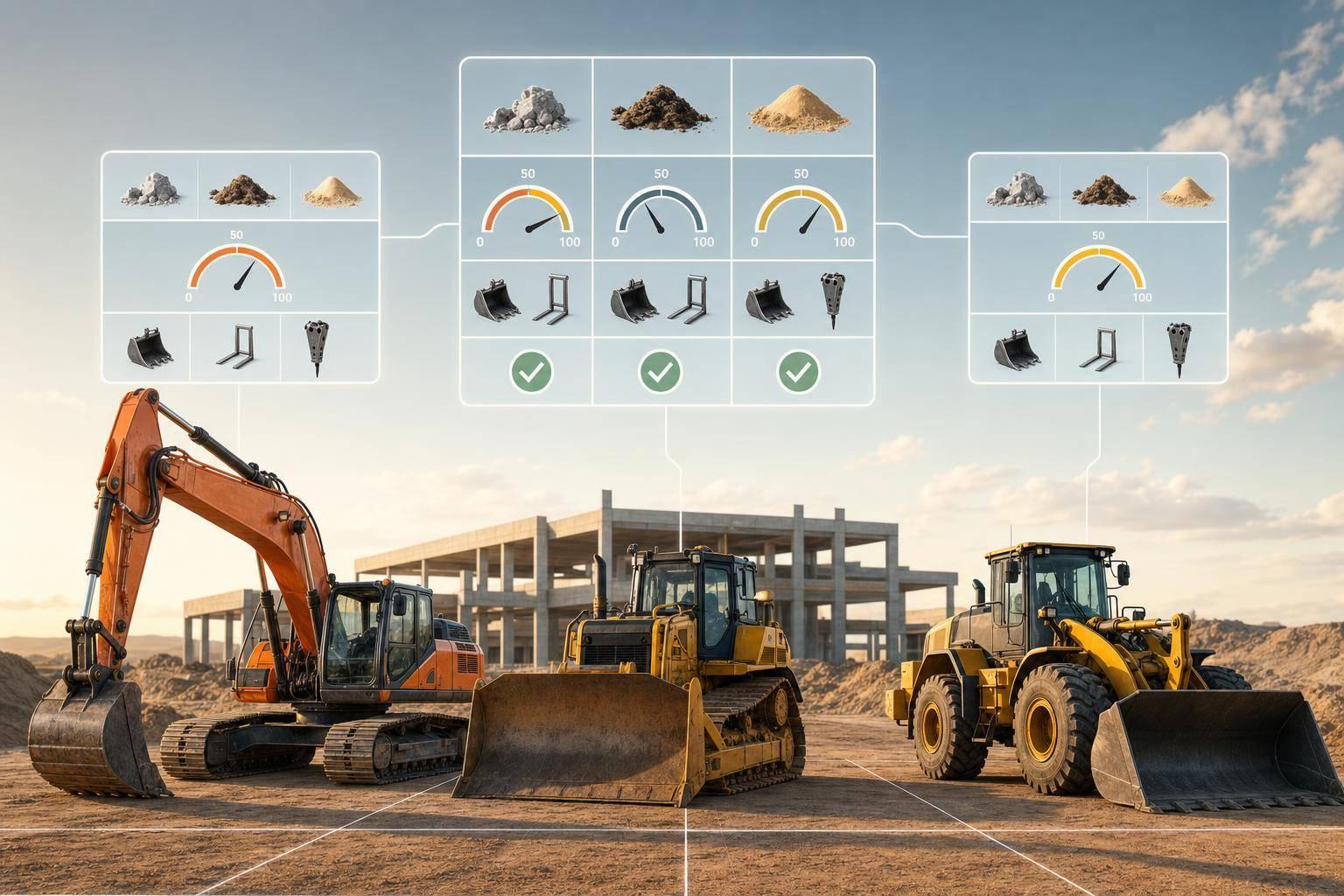
Heavy Equipment Compatibility Checker
Find compatible construction equipment by terrain, capacity, and attachments. Get fast recommendations and compare fit before you decide.

Crane Accident Reporting: OSHA Compliance Guide
Learn OSHA crane accident reporting rules: 8-hour fatality and 24-hour severe injury deadlines, who must report, reporting methods, recordkeeping and penalties.
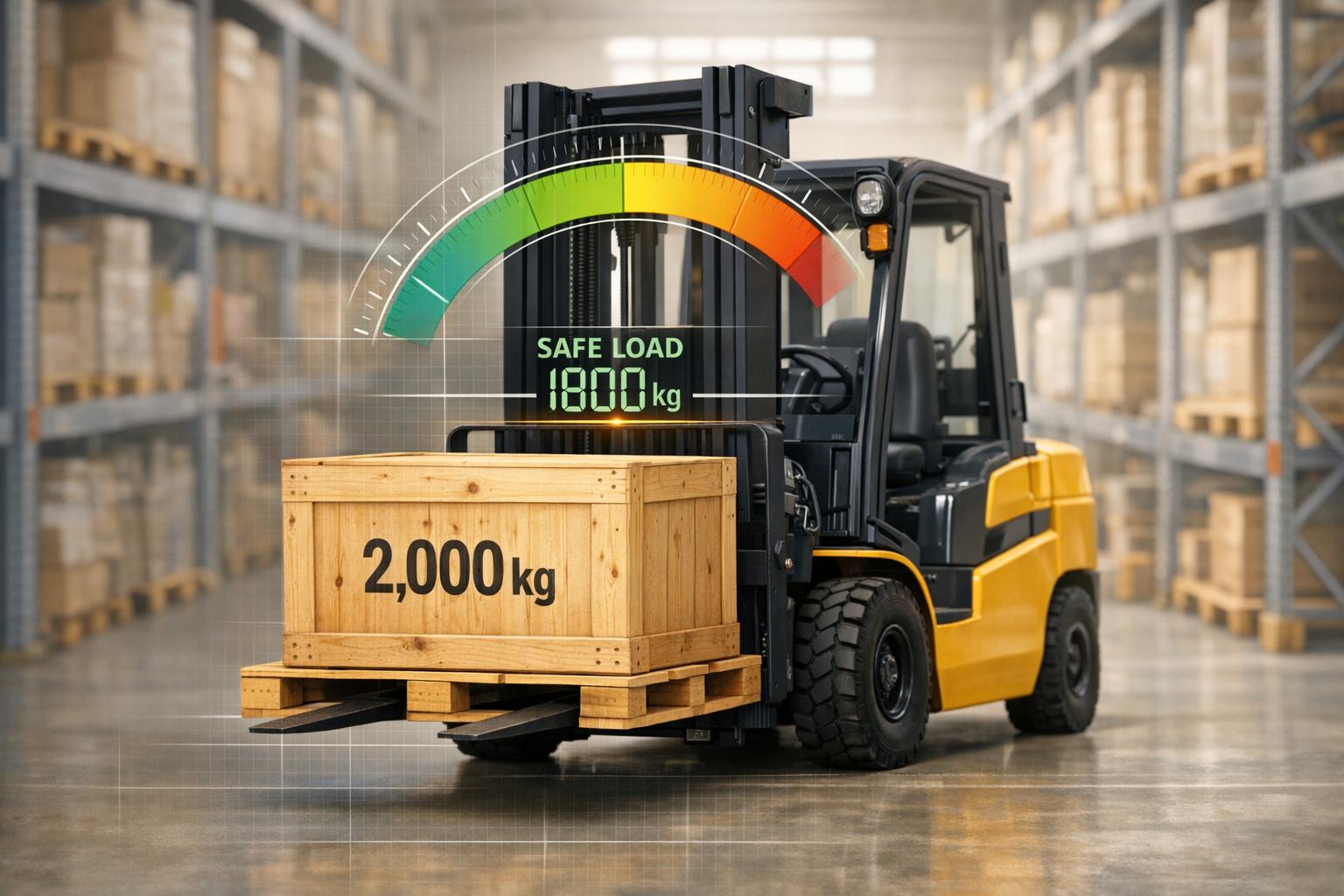
Heavy Equipment Load Capacity Checker
Check if your equipment can handle a load with our free tool. Input weight, select type, and get instant safety results for forklifts and more!