
Impact of Severe Weather on Crane Operations

Severe weather can disrupt crane operations, jeopardizing safety, equipment, and project timelines. High winds, heavy rain, lightning, snow, and extreme temperatures create hazards like load instability, ground weakening, and mechanical failures. To address these risks:
- Wind: Stop lifts above 20 mph; gusts can destabilize cranes and loads.
- Rain & Lightning: Rain reduces visibility and ground stability; lightning poses electrocution risks - halt operations at the first thunderclap.
- Snow & Ice: Adds weight to loads, makes steel brittle, and affects hydraulic systems.
- Heat: Overheats engines, affects hydraulic fluids, and endangers operators.
Following OSHA guidelines, using weather monitoring tools, and conducting regular inspections ensure safer operations. Emergency procedures, including shutdowns and evacuation plans, are critical during sudden weather changes. Partnering with specialized crane services enhances preparedness and safety.
Weather Safety in Crane Operations | Barnhart Crane & Rigging
How Different Weather Conditions Impact Crane Operations
Weather plays a crucial role in crane operations, affecting stability and load security in ways that can quickly turn routine work into hazardous situations. Let’s explore how specific weather conditions pose unique challenges for crane safety and functionality.
High Winds and Gusts
Wind is one of the most significant weather risks for cranes. Strong winds exert pressure on the boom, jib, and load, causing the boom to bend, the mast to sway, and the load to swing dangerously. For mobile cranes, these forces can lead to tipping, while tower cranes and lattice boom models may experience oscillations even in moderate winds. A particularly risky scenario is side loading, where lateral forces - beyond what the crane is designed to handle - can result in structural failure. Gusts are especially dangerous because their sudden, unpredictable nature can make a previously safe load unstable.
To mitigate these risks, manufacturers generally recommend stopping lifts when wind speeds exceed 20 mph and halting all operations at 30–40 mph. OSHA and ASME standards require operators to follow the crane's load chart and manufacturer guidelines. Using anemometers at crane height and setting clear "go/no-go" wind thresholds in the lift plan are essential safety practices.
Rain, Thunderstorms, and Lightning
Rain creates a host of challenges, from reduced visibility to slippery surfaces on walkways, decks, and ladders. Water can also seep into critical components like brakes, clutches, and electrical systems, potentially compromising their functionality. Additionally, saturated ground beneath outriggers can lead to sinkage, jeopardizing stability.
Thunderstorms introduce the added danger of lightning, as cranes - being tall, metal structures - can attract strikes. A direct hit or even a nearby strike can damage control circuits and pose severe electrocution risks. Industry protocols emphasize stopping operations at the first sound of thunder, as lightning can strike long before rain begins. Workers should stay clear of the crane until at least 30 minutes after the last thunderclap. These precautions are vital for protecting both personnel and equipment.
Snow, Ice, and Extreme Cold
Cold weather brings its own set of challenges. Snow and ice can accumulate on crane components like booms, jibs, and rigging, adding unexpected weight that shifts the load’s center of gravity and reduces lifting capacity. Ice buildup on sheaves and wire ropes increases friction, leading to uneven stress on the system. Extreme cold can also make materials like steel and welds brittle, while thickened hydraulic fluids slow down system responses and increase wear.
Manufacturers often advise extended warm-up periods and the use of cold-weather kits, such as low-temperature hydraulic fluids and tank heaters, to ensure safe operation. Before lifting in these conditions, crews should remove snow and ice, confirm that all safety systems are functioning, and adjust load calculations to account for additional weight.
Heat and Extreme Temperatures
Excessive heat poses risks to both equipment and personnel. High temperatures can reduce the efficiency of hydraulic and engine cooling systems. Overheated hydraulic oil loses its ability to lubricate effectively, increasing component wear and potentially triggering shutdowns. Electrical systems, like control cabinets and inverters, may also overheat, leading to reliability issues.
For operators, the crane cab can become dangerously hot, increasing the risk of dehydration, heat exhaustion, or even heat stroke - conditions that impair focus and safety. To address these challenges, it’s important to monitor equipment temperatures, schedule heavy lifts during cooler times of the day, ensure proper ventilation, and provide operators with hydration and regular breaks. These measures help maintain safety and efficiency during extreme heat.
Solutions for Operating Cranes in Severe Weather
Understanding how severe weather impacts crane operations is just the beginning. The real challenge lies in applying practical solutions to ensure crew safety and equipment reliability when conditions take a turn for the worse. Here are some actionable strategies to tackle common weather challenges.
Managing High Winds
Install anemometers at the crane's height to monitor real-time wind speeds effectively. Establish a three-tier wind management system with thresholds for planning, operational adjustments (like reducing capacity), and full shutdowns. These thresholds should align with the crane's load chart and manufacturer recommendations. Clearly designate who has the authority to halt operations due to weather and outline procedures for quickly landing loads when gusts intensify.
When wind speeds reach the shutdown limit, follow the manufacturer's guidelines to lower the boom and jib into the recommended out-of-service position. Rotate the crane to its designated parking or weathervane position and secure hooks, trolleys, and any loads.
For mobile cranes, ensure outriggers, mats, and ground support can handle gusty conditions. Avoid setups near unstable edges or slopes where wind forces might destabilize the crane. When lifting large loads prone to the "sail effect", use experienced crews and tag lines for better control.
These wind-specific precautions naturally lead into addressing other weather-related challenges.
Safe Practices for Rain and Thunderstorms
Before storms hit, inspect the site for waterlogging and reassess ground bearing pressures. Use adequate pads or mats to stabilize the crane. If heavy rain persists or visibility worsens, pause operations until conditions improve and surfaces stabilize.
Protect electrical systems to avoid failures and hazards. Use NEMA- or IP-rated enclosures, check seals, and route cables to prevent water pooling. Inspect junction boxes and control panels for moisture or corrosion, and ensure connectors are fitted with proper boots. Maintain clear visibility by cleaning cab windows, cameras, and lights, and confirm that wipers, defoggers, and demisters are fully operational before storms.
Suspend crane operations immediately when thunder is heard. Lower hooks, retract booms where possible, and move personnel to enclosed buildings or hard-topped vehicles. Wait at least 30 minutes after the last lightning or thunder before resuming work. A qualified professional should inspect the crane's structural, electrical, and control systems before restarting operations.
Now let’s look at how to prepare for extreme cold.
Cold Weather Preparation for Snow and Ice
Before operating in snowy or icy conditions, clear all crane components - booms, jibs, walkways, platforms, and load-handling equipment - to prevent falling ice hazards and unexpected weight. Use approved deicing agents and mechanical methods to avoid damaging components.
In freezing temperatures, switch to low-temperature-rated fluids and allow equipment to warm up gradually to prevent cavitation. Adjust load capacities and operating speeds as required by the manufacturer, since steel components can become brittle in the cold.
Daily inspections should focus on cold-specific risks, such as frozen hydraulic hoses, ice buildup on wire ropes, and stiff slew rings. Check rubber components like hoses and seals for cracking, and inspect high-stress areas for cold-related damage. Apply salt or grit to icy areas around outriggers and walkways to reduce slip hazards.
Operators need proper cold-weather gear, including insulated gloves, layered clothing, and eye protection. Regular warm-up breaks are essential to prevent cold stress. If the crane will remain idle for extended periods, follow the manufacturer’s instructions for securing it and consider periodic warm-up cycles to protect systems.
Heat Mitigation Strategies
To prevent heat stress, schedule work during cooler times of the day, enforce hydration breaks, and ensure crane cabs are well-cooled. Supervisors should watch for signs of heat exhaustion or heat stroke and empower workers to stop if symptoms arise.
High temperatures can strain hydraulic systems. Use manufacturer-recommended high-temperature fluids, add cooling systems if necessary, and allow longer cool-down periods between heavy lifts. Electrical cabinets and control systems should have proper ventilation or active cooling to avoid overheating, which can lead to equipment failures. Regularly inspect structural components, tires, and hoses for signs of heat-related wear, such as softening or blistering. Any unusual odors, noises, or control delays should be addressed immediately by a qualified technician.
Partnering with specialized crane service providers, such as TDS Erectors & Crane Service, can make a significant difference. These companies offer OSHA-certified operators trained in weather-related emergency protocols. They also assist with weather-integrated lift planning, ensuring all factors - wind, temperature, and ground conditions - are accounted for. Their well-maintained cranes come equipped with weatherproofed systems, on-board anemometers, and fluids rated for extreme conditions. Post-event inspections after storms, lightning, or heavy snow ensure cranes are safe to return to service.
sbb-itb-6be7c12
Emergency Procedures and Weather Monitoring
This section builds on proactive weather strategies by outlining crucial emergency protocols to protect cranes during sudden severe weather. Even the best planning won't hold up without a reliable system to track weather changes and respond effectively when conditions become dangerous. Strong monitoring tools and clear emergency plans are essential to keeping crane operations safe when the weather takes a turn.
Weather Monitoring and Forecasting Tools
Staying ahead of severe weather begins with the right tools. Services like AccuWeather, Weather.com, DTN, and Foreca provide hyperlocal forecasts that go beyond general predictions. These platforms offer detailed insights into wind speeds, storm movements, and precipitation timing - critical information for making safe decisions about crane operations.
On-site equipment is just as important. Calibrated anemometers placed at the boom tip or tower top height provide real-time wind speed data where it matters most, not just at ground level where conditions might seem deceptively calm. Many cranes now come with built-in anemometers, but handheld units serve as a valuable backup for supervisors to verify conditions throughout the day.
NOAA Weather Radio remains a trusted source for severe weather alerts, especially for thunderstorms, high winds, and tornadoes. Mobile apps and dashboard systems that send automated alerts to supervisors allow for faster decision-making. Setting up alerts for specific thresholds - like sustained winds over 20 mph or lightning within 10 miles - eliminates guesswork and ensures timely action.
Integrating these tools into daily routines transforms weather monitoring into a proactive effort. Start each day with a detailed forecast review during the morning safety meeting, noting potential weather concerns like wind speeds or storm timing. Assign someone to monitor conditions hourly using handheld anemometers and weather apps to stay ahead of any changes. For example, if thunderstorms are predicted by 2:00 PM, prioritize high-risk tasks in the morning and use the afternoon to secure equipment, rather than waiting for visible signs of a storm to halt work.
This layered approach - combining forecasts, on-site tools, and automated alerts - equips teams to make informed decisions before conditions become hazardous. These practices lay the groundwork for swift shutdowns and securing measures when the weather deteriorates.
Shutdown and Securing Procedures
When severe weather looms, having a standardized shutdown checklist ensures nothing critical is overlooked. Stop all lifting operations immediately when wind speeds near the crane's limits (typically 20–30 mph, depending on the model) or when severe weather is expected within 30–60 minutes, as per manufacturer guidelines and OSHA regulations.
Lower the boom completely, secure hooks, and lock rigging to prevent movement. For telescopic booms, retract sections to minimize wind exposure. Tower cranes should be placed in free-slew or weathervane mode, allowing the jib to rotate with the wind instead of resisting it.
Engage all brakes and locking mechanisms, and disconnect power sources where it's safe to do so. For mobile cranes, follow the manufacturer’s guidance on outriggers - whether to keep them deployed during storms or retract them once the crane is on stable ground.
Remove any loose items around the crane base to prevent them from becoming airborne. Operations should cease as soon as thunder is audible, as lightning could strike nearby.
For lightning and thunderstorms, OSHA recommends stopping crane operations when lightning is visible or thunder is heard. Treat any storm within 10 miles as a threat, as the crane’s metal structure can act as a lightning rod. Evacuate operators and nearby workers, and establish a safety perimeter of at least 30 feet around the crane during lightning events.
After the storm passes, conduct a thorough inspection before resuming operations. Look for structural damage, loose components, or signs of lightning strikes like melted metal. Inspect outrigger pads, foundations, and ground conditions for erosion or instability caused by rain or wind. Test brakes, controls, and safety devices to ensure they’re functioning properly. A qualified inspector or technician should oversee this process, especially after extreme weather events.
Evacuation and Communication Protocols
Monitoring and shutdown procedures are only part of the equation - clear evacuation and communication protocols are just as vital. Well-practiced evacuation plans protect workers when conditions worsen quickly. Establish a clear chain of command, assigning roles for weather monitoring and evacuation initiation. The lift director or site superintendent should have the final say in halting work due to weather, and all crew members must respect this authority.
Define specific evacuation triggers, such as lightning within 10 miles, sustained winds exceeding crane limits, or a tornado warning. Identify safe shelters in advance - fully enclosed buildings with solid roofs and walls, not open sheds or areas beneath cranes. Post evacuation routes at key locations, and ensure muster points are upwind and away from cranes, power lines, and potential fall zones.
Reliable communication tools are essential for ensuring everyone gets the message. Use two-way radios, hard-wired intercoms, or visual signals like flags or lights to convey instructions, even in noisy or low-visibility conditions. Standardize emergency phrases like "Weather Stop", "Secure Crane", and "Evacuate" to avoid confusion. Keep an accountability system, such as sign-in sheets or digital check-ins, to confirm all personnel are safely evacuated.
Regular drills help ensure everyone knows their role and can respond quickly in an emergency. Conduct both tabletop and on-site drills at least quarterly, or more often in areas prone to severe weather. Practice scenarios like sudden high winds, lightning, or heavy snow to prepare operators, riggers, and signal personnel for real-world emergencies.
For sites in high-risk areas, partnering with experienced crane contractors who employ OSHA-certified operators and robust safety programs can make a significant difference. These professionals bring expertise in integrating weather-related risk management into daily operations and can assist in developing site-specific emergency plans.
"Safety is the number one priority at TDS Erectors & Crane Service. Our team is trained in all health and safety procedures relative to their job, including our office staff, repair and service team, and onsite operators. We ensure the best possible safety measures are in place for everyone and are always OSHA compliant."
A comprehensive severe weather emergency plan should include clearly defined roles, weather thresholds for action, detailed shutdown and securing procedures for each crane type, evacuation routes and safe shelters, communication methods with backups, and coordination with local emergency services. Review this plan at the start of each project and after any significant weather event or near-miss to keep it effective and up to date.
Building Severe Weather Preparedness into Crane Operations
Severe weather should be embedded into every aspect of crane operations, from the initial planning stages to final inspections. Treating weather as a critical operational factor - just like load weight or ground stability - helps crews prepare for, respond to, and recover from challenging conditions. Across the United States, job sites face a variety of weather risks, from hurricanes and blizzards to heat waves and severe thunderstorms, depending on the region and season. Addressing weather risks systematically minimizes hazards like tip-overs, dropped loads, lightning strikes, mechanical breakdowns, and costly delays. Expanding on the importance of emergency shutdown procedures, proactive weather planning is key to keeping crane operations safe and efficient. This approach strengthens lift planning, inspection routines, and crew training.
Weather-Integrated Lift Planning
A solid lift plan starts with identifying the specific weather risks for the site and season. This means documenting local wind patterns, storm frequencies, temperature extremes, and precipitation trends - and comparing these risks with the crane manufacturer's operating limits and OSHA guidelines. The plan should outline clear thresholds, such as maximum wind speeds for various crane configurations, visibility requirements for rain or snow, and operating temperature ranges, along with unambiguous "stop work" criteria.
Before every shift, real-time weather conditions must be checked to ensure they align with the plan. On-site anemometers and updated forecasts help verify wind speed, temperature, and visibility. These readings should be logged and compared against pre-established limits, with a designated individual - often the lift director or site supervisor - authorized to decide whether work proceeds.
To avoid last-minute improvisation, the plan should include pre-approved contingency actions. For example, if thunderstorms or lightning are detected within a defined radius (commonly 10 miles), immediate shutdown procedures should be enacted. For extended projects or high-value lifts, factoring in worst-case gust forecasts and scheduling around predicted storm windows adds an extra layer of safety.
Weather conditions also influence load calculations and crane setup. In windy conditions, applying stricter safety margins - such as reducing the maximum load percentage - helps account for added side loading, the sail area of the load, and gust impacts. Precipitation, like rain, snow, or ice, can add weight to the load, rigging, or crane components, so these factors must be incorporated into calculations. Additionally, ground bearing capacity should be reassessed after heavy rain or snowmelt to ensure stability, which might require larger outrigger pads, additional cribbing, or even ground reinforcement.
Cold weather presents its own challenges. Hydraulic systems may perform less efficiently, and materials can become brittle. Adjustments like slower lift speeds, longer warm-up times, and scheduled breaks for both machinery and crew can help mitigate these risks. For flood-prone or freeze-thaw areas, alternate setup locations or access routes should be identified in case primary areas become unusable.
Inspection and Maintenance Best Practices
Routine inspections are critical to crane safety, and severe weather demands an even more thorough approach. By following a detailed lift plan, crews can ensure equipment remains reliable under harsh conditions. Before a storm or extreme weather event, crews should perform enhanced inspections, focusing on components most vulnerable to stress, such as boom sections, pins, guy lines, wire ropes, sheaves, brakes, and electrical systems.
Ground conditions, outriggers, and mats should also be checked for signs of erosion, soft spots, or standing water, which could worsen during severe weather. If high winds or lightning are expected, the plan should include measures like lowering booms to a safe angle, placing tower cranes in weathervane mode, securing hooks and loose gear, and using tie-downs and storm-resistant covers. A pre-storm checklist ensures these steps are consistent and well-documented.
After severe weather, a comprehensive post-event inspection is mandatory before operations resume. If the crane has been exposed to lightning strikes or wind speeds beyond its normal limits, a qualified specialist must perform a detailed inspection to confirm the equipment's safety.
Training and Support for Severe Weather Resilience
Even the most detailed plans and advanced equipment are only effective if crews know how to use them properly. Weather-specific training should go beyond general safety guidelines to address how various conditions - like high winds, rain, lightning, snow, ice, and extreme temperatures - can impact crane stability, load control, visibility, and mechanical performance. Operators and riggers need to grasp manufacturer limits, interpret wind charts, and apply derating guidelines to make informed decisions on the spot.
Scenario-based drills are an effective way to prepare crews for sudden changes, such as unexpected wind shifts, lightning, or low visibility. Supervisors should receive additional training on enforcing "stop work" authority, coordinating shutdowns, and communicating weather-related updates to contractors and stakeholders.
Regular refresher courses and drills tailored to regional weather risks are essential. For example, Gulf Coast teams may focus on hurricane preparedness, while Midwest crews might train for blizzards and freeze-thaw conditions. In hotter climates, training may emphasize heat stress management and dust storm protocols.
Hiring OSHA-certified operators and riggers is a baseline safety measure. Partnering with experienced crane service providers can also enhance severe weather preparedness. Companies like TDS Erectors & Crane Service bring expertise to the table, offering crane rentals and services with OSHA-certified operators. They help standardize weather procedures while customizing them to meet the specific needs of each project, ensuring that weather-integrated plans and thorough inspections are part of every operation.
Conclusion: Maintaining Safety and Efficiency in Adverse Weather
Severe weather presents undeniable challenges to crane operations, but with careful planning, these risks can be managed effectively. Safety should always take precedence over short-term productivity, especially when adverse conditions threaten crane stability, visibility, or ground integrity. According to the U.S. Bureau of Labor Statistics, 22% of crane-related fatalities occur during operation, highlighting the critical need for strict safety protocols and proactive measures.
Preparation is key to weathering unpredictable conditions. Incorporating weather forecasts, clear limits for wind and temperature, and predefined shutdown criteria into lift plans transforms chaotic situations into manageable risks. Establishing site-specific thresholds - like maximum wind speeds, visibility standards, and safe operating temperatures - gives crews clear, objective guidelines. When these limits are approached, halting operations becomes a necessary step to ensure safety.
Adjustments to operations can help maintain progress while staying within safe parameters. Adhering to manufacturer-specified weather limits and integrating these into daily routines is a practical, cost-effective way to uphold safety and extend equipment lifespan.
When conditions worsen, shutdown and securing procedures are essential to protect both personnel and machinery. Actions like lowering booms, locking controls, weathervaning tower cranes, and moving workers to sheltered areas during lightning storms are critical. After the storm, thorough inspections of boom sections, wire ropes, foundations, and electrical systems ensure that any weather-related stress is addressed before resuming operations.
The human factor is equally important. Proper training and clear communication equip every team member to recognize weather hazards and adjust operations accordingly. Scenario-based drills prepare crews to act decisively, eliminating the need for on-the-spot improvisation. Standardizing hand signals, radio communication, and "stop work" commands ensures that anyone can halt operations safely when conditions become unsafe.
For contractors managing projects in regions with diverse weather challenges, working with experienced crane service providers adds an extra layer of security. Partnering with OSHA-certified operators and leveraging 24/7 weather-integrated planning ensures critical lifts are executed safely. For example, TDS Erectors & Crane Service offers tailored solutions for projects in the central United States, with a strong focus on safety and weather readiness. Their approach underscores that the safest decision in uncertain weather - whether delaying or halting operations - protects workers, equipment, and the overall success of the project.
FAQs
What are OSHA's safety guidelines for operating cranes in severe weather?
When it comes to crane operations, OSHA has set clear guidelines to keep safety front and center during severe weather. High winds, heavy snow, thunderstorms, and other extreme conditions can create serious hazards. To minimize risks, it's essential to follow safety protocols carefully. For instance, crane operations must stop if wind speeds surpass the safe limits outlined by the crane manufacturer.
TDS Erectors & Crane Service takes OSHA compliance seriously. Their certified operators are dedicated to ensuring safety stays the number one priority, even when weather conditions become unpredictable.
How can crane operators stay prepared for sudden weather changes during operations?
Crane operators need to keep a close eye on weather conditions to maintain safety during operations. Tools like reliable weather apps and forecasting systems are essential for spotting risks such as strong winds, storms, or extreme temperatures. Alongside this, regular inspections of crane equipment are crucial to ensure everything is secure and prepared to handle sudden weather changes.
At TDS Erectors & Crane Service, safety takes center stage. Their OSHA-certified operators are specially trained to handle severe weather scenarios, reducing risks while keeping operations running smoothly. By adopting proactive safety practices, they protect both their team and equipment, no matter the conditions.
How should cranes be secured during severe weather events like thunderstorms or high winds?
To stay safe during severe weather, it's crucial to secure cranes properly to avoid accidents or damage. Before conditions deteriorate, make sure to lower the crane’s boom to a safe position or secure it according to the manufacturer’s instructions. In cases of high winds, check that counterweights are balanced correctly, and clear the crane and surrounding area of any loose materials or tools to prevent potential hazards.
Keep a close eye on local weather updates and adhere to OSHA regulations and safety protocols. If conditions become dangerous, pause all operations immediately. For professional guidance or support, TDS Erectors & Crane Service offers reliable crane solutions with a strong emphasis on safety and quality.
Related Blog Posts
Blogs, calculators, and other content on the TDS blog is for educational purposes only and does not constitute crane or rigging advice. For information specific to your situation, please contact us for an estimate or consultation.
Related Articles
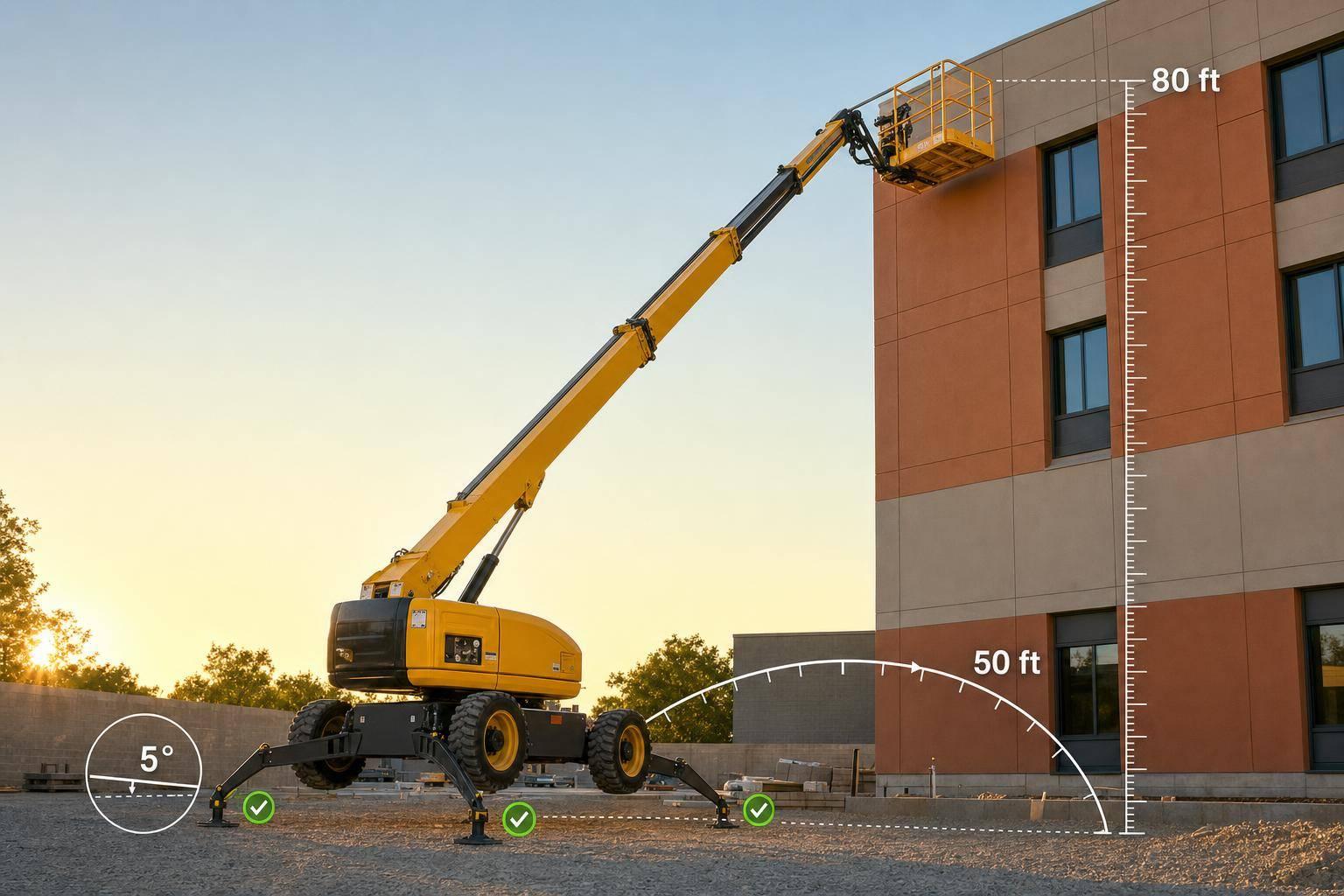
Boom Lift Calculator
Estimate boom lift platform height, outreach, slope effects, and setup checks fast—then verify final limits with OEM charts and site safety rules.

Root Causes of Weld Failures: Analysis Guide
Systematic guide to diagnosing weld failures: defects, root causes, NDT methods, documentation, and prevention tips.

Custom Welding for Crane and Rigging Equipment
Certified welding for crane and rigging: repairs, modifications, fabrication, OSHA/ASME compliance and proof testing.