
Steel Fabrication Unit Converter
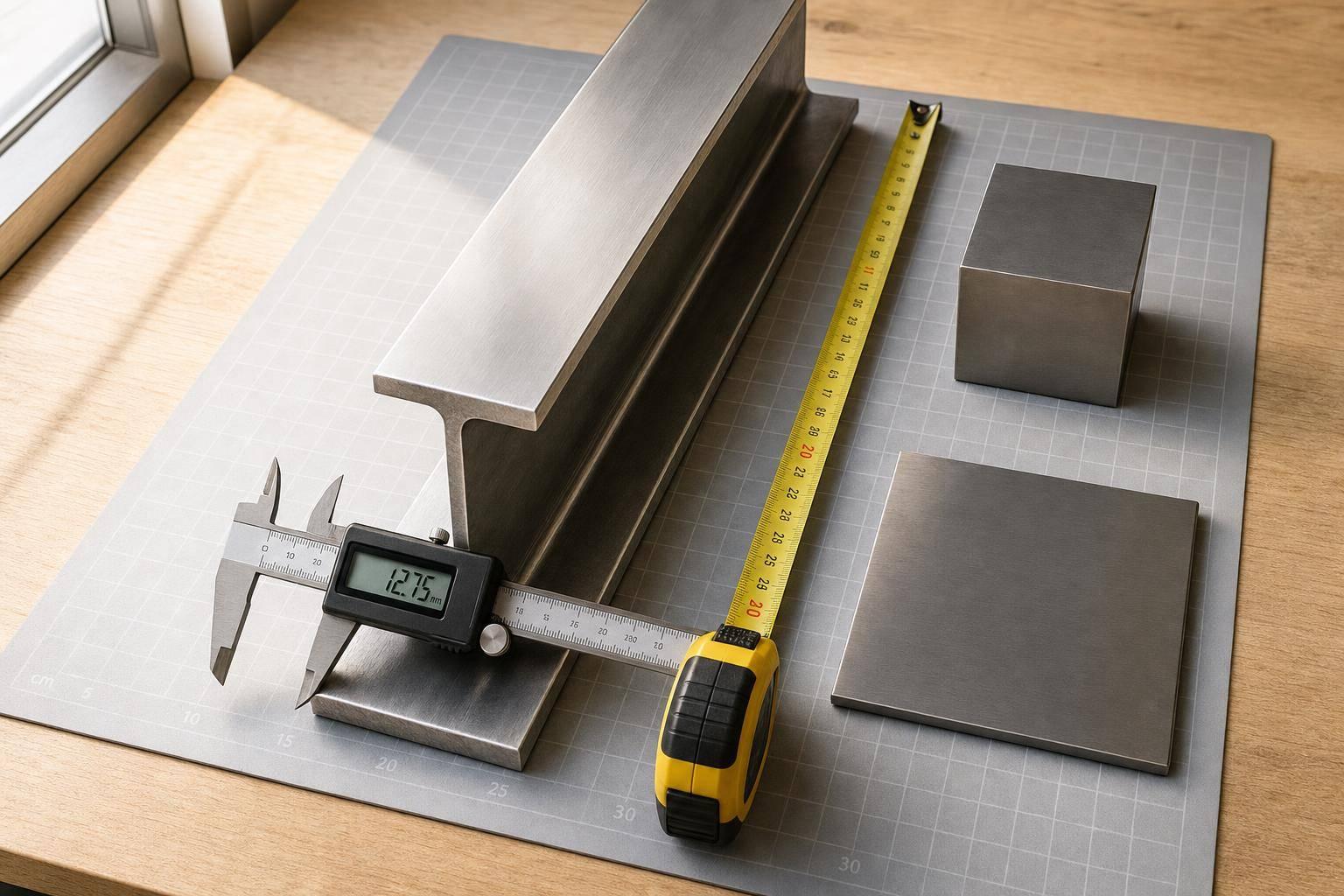
Accurate Unit Conversions for Steelwork
When you're working with fabrication drawings, material takeoffs, or shop calculations, unit mistakes can slow everything down. A Steel Fabrication Unit Converter helps you switch between common measurement systems quickly and with confidence. Whether you're converting pounds to kilograms, inches to millimeters, square feet to square meters, or cubic yards to cubic meters, the goal is simple: reliable numbers without extra steps.
Built for Engineers and Fabricators
In steelwork, even small conversion errors can affect ordering, cutting, estimating, and installation. That’s why this tool focuses on the measurements professionals use every day across weight, length, area, and volume. Results are rounded to two decimal places, making them easy to read while staying practical for real-world fabrication tasks.
Faster Checks, Fewer Mistakes
A good Steel Fabrication Unit Converter does more than save time. It helps teams stay consistent when moving between imperial and metric units, especially on mixed-standard projects. The included quick reference table adds another layer of convenience, giving you instant access to frequently used conversions. For anyone handling structural steel measurements, this converter offers a clean, efficient way to keep calculations accurate and work moving forward.
FAQs
What types of units can this tool convert?
This converter covers the unit types most commonly used in steel fabrication: weight, length, area, and volume. That means you can handle jobs like pounds to kilograms, inches to millimeters, square feet to square meters, or cubic yards to cubic meters without switching between multiple calculators. It’s designed to keep everyday fabrication and engineering conversions in one place.
How accurate are the conversion results?
The tool uses standard industry conversion factors, such as 1 inch equals 25.4 millimeters, and then rounds the final result to two decimal places for practical use. That gives you clean, readable numbers while still maintaining the level of precision most fabrication, estimating, and planning tasks require. For highly specialized compliance or manufacturing tolerances, it’s still smart to verify project-critical values against your engineering specifications.
Why is a quick reference table useful if the calculator already does the math?
A quick reference table helps when you need fast checks without entering values one by one. Fabricators and engineers often work with repeat conversions throughout the day, so having common unit relationships visible can speed up planning, quoting, drawing reviews, and shop communication. It’s a simple feature, but it saves time when you’re moving quickly.
Blogs, calculators, and other content on the TDS blog is for educational purposes only and does not constitute crane or rigging advice. For information specific to your situation, please contact us for an estimate or consultation.
Related Articles

Heavy Equipment Compatibility Checker
Find compatible construction equipment by terrain, capacity, and attachments. Get fast recommendations and compare fit before you decide.

Construction Project Safety Checker
Assess jobsite safety in minutes with a simple checklist, compliance score, and practical recommendations to address common construction risks.

Ultimate Guide to Wire Rope Replacement Standards
Step-by-step safety workflow for inspecting, discarding, selecting, installing, and documenting crane wire rope replacements.