
Best Practices for Welding Inspection Safety
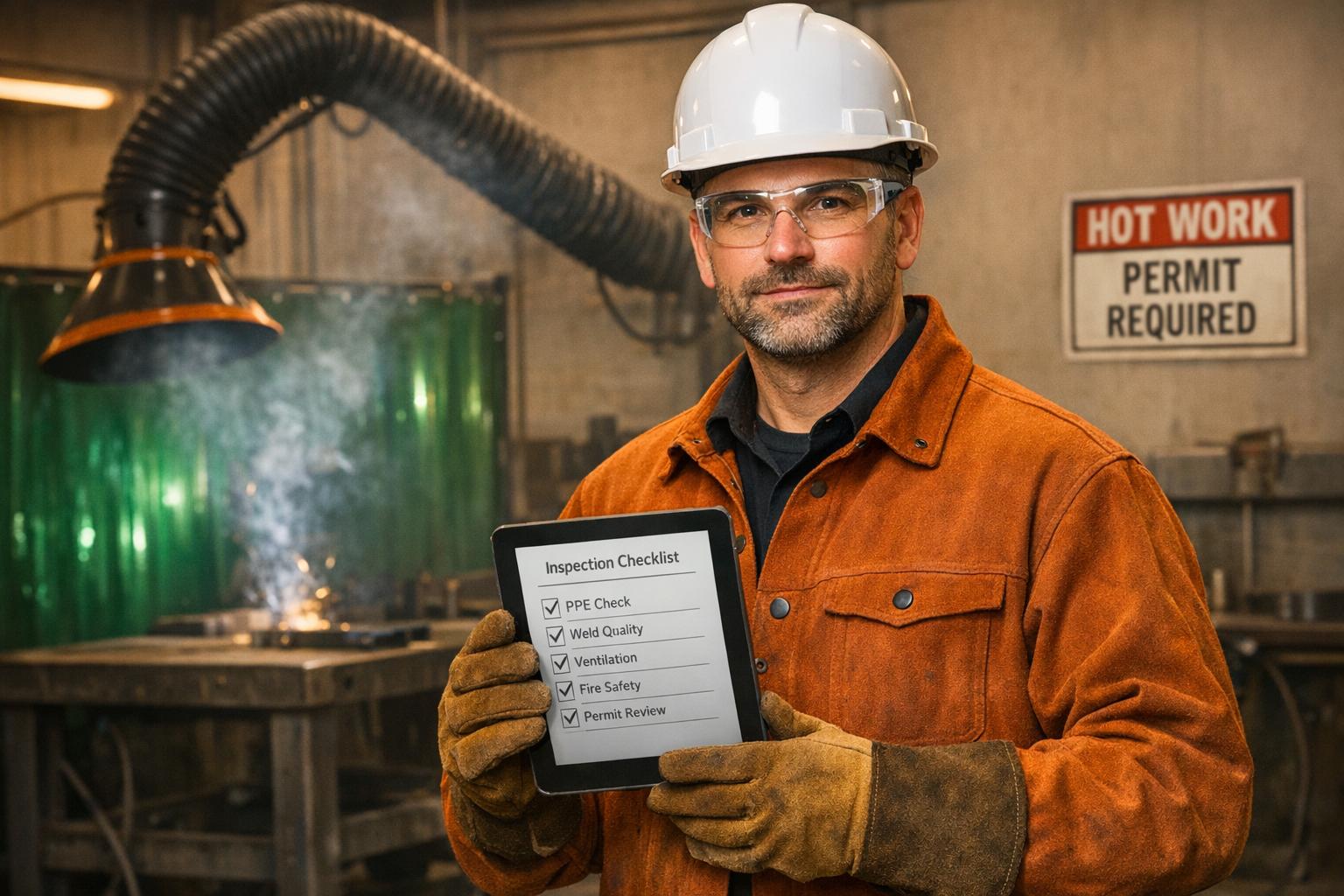
Welding inspection safety is all about protecting workers and ensuring weld quality. It involves managing risks like toxic fumes, fire hazards, and physical injuries while following OSHA standards. Here's a quick summary of what matters most:
- Health Risks: Welding fumes can cause serious health issues over time, including lung damage and cancer. Proper ventilation and respiratory protection are critical.
- Fire Hazards: Sparks and heat can ignite nearby materials. Keep combustibles 35 feet away or shield them with flameproof barriers.
- Physical Dangers: UV radiation, electrical shocks, and suffocation risks in confined spaces require proper PPE and safe practices.
- PPE: Use helmets, flame-resistant clothing, gloves, and steel-toed boots. Inspect PPE daily for damage.
- Ventilation: Local Exhaust Ventilation (LEV) systems and air quality monitoring help manage fumes effectively.
- Pre-Welding Inspections: Check materials, equipment, and joint geometry to prevent defects and hazards.
- Non-Destructive Testing (NDT): Techniques like ultrasonic testing and radiographic testing help find hidden weld flaws.
- Emergency Preparedness: Train workers, have clear response plans, and ensure fire extinguishers and first aid kits are accessible.
Certified Welding Inspector Course: Welding Safety Practices - Overview
Preparing the Inspection Area
Before starting any welding inspection, it's crucial to prepare the workspace to ensure safety and eliminate potential hazards. According to OSHA regulations, a designated individual must inspect the area and authorize welding operations beforehand. This approval is formalized through a written hot work permit, which outlines specific precautions and confirms that the site is safe for welding activities.
Setting Up a Safe Zone
To create a safe working environment, all combustible materials - such as paper scraps, wood shavings, and textile fibers - must be moved at least 35 feet away from the welding site. If certain combustibles cannot be relocated, they should be protected using flameproof covers or metal shields to contain heat and sparks. Additionally, floors within this radius should be swept clean of any flammable debris.
"If the object to be welded or cut cannot be moved and if all the fire hazards cannot be removed, then guards shall be used to confine the heat, sparks, and slag, and to protect the immovable fire hazards." – OSHA
Physical barriers are another key aspect of safety. Noncombustible or flameproof screens should surround the inspection area to shield nearby workers from UV radiation. These screens should be positioned with about 2 feet of clearance at the bottom to allow for proper air circulation. It’s also important to check for and seal any gaps - like floor openings, wall cracks, or doorways - that could let sparks reach combustible materials in adjacent or lower spaces. To prevent trip hazards, arrange welding cables and equipment away from walkways, ladders, and staircases.
Once the area is secured, the next step is to conduct a thorough assessment of potential hazards.
Conducting Hazard Assessments
With the safe zone established, a detailed hazard assessment should follow to identify less obvious risks. Start by testing for explosive atmospheres and ensure the Lower Explosive Limit (LEL) reads zero. Perform gas testing within a 50-foot radius of the hot work area. Pay special attention to chlorinated solvents located within 200 feet of the welding arc, as UV radiation can break them down into harmful gases.
Inspect containers, drums, and tanks for any traces of flammable materials, greases, tars, or acids. Vent hollow spaces to safely release trapped air or gases. If the work involves elevated areas, restrict access to the space below and use fire blankets to catch falling sparks or slag. For combustible floors that cannot be moved, consider wetting them, covering them with damp sand, or using fire-resistant shields, while also ensuring all electrical systems remain safe. Lastly, verify that fire extinguishing equipment is readily available and functional.
Industry leaders like TDS Erectors & Crane Service (https://tdscrane.com) follow these practices to maintain a safe and controlled environment for every welding inspection.
Using Proper Personal Protective Equipment (PPE)
Once the area is secured and hazards are identified, it’s essential to ensure all personnel are equipped with the necessary personal protective equipment (PPE). PPE acts as the final safeguard when other safety measures, like engineering or administrative controls, can’t completely eliminate risks. According to OSHA regulations (29 CFR 1915.152), employers are required to perform a hazard assessment to determine the specific PPE needed for each welding task based on the materials and processes involved.
Required PPE for Welding Inspections
Using the right PPE ensures workers remain protected during welding inspections.
Welding helmets and hoods are critical for shielding the face, neck, and eyes from harmful UV and IR radiation, as well as sparks and debris. The filter lens shade must match the welding process. For instance, shielded metal-arc welding with 1/16- to 5/32-inch electrodes requires a shade 10 lens, while gas-shielded arc welding on ferrous materials needs shade 12. This distinction is vital because inert-gas metal-arc welding generates 5 to 30 times more UV radiation compared to shielded metal-arc welding.
Flame-resistant clothing - made from leather or specially treated cotton or wool - protects against burns caused by sparks, slag, and molten metal. These garments should be free of oil or grease, as such substances can ignite, and pockets should be taped shut to keep out sparks. Long-cuffed leather gloves provide protection for hands and forearms against heat, electrical shocks, and cuts. High-top steel-toed boots shield feet from falling objects and prevent hot slag from getting inside. Workers should always wear pant legs over the outside of their boots to direct sparks away.
Respiratory protection becomes necessary when ventilation isn’t enough to manage exposure to toxic fumes, such as lead, cadmium, or mercury, or gases like nitrous oxide. Depending on the contaminants, either air-purifying or air-line respirators should be used. For tasks like grinding, safety goggles or face shields offer protection from flying particles and radiant energy.
Inspecting and Maintaining PPE
Daily inspections of PPE are a must to catch any equipment issues before use. Look for cracks in helmets, tears in gloves, compromised seals in respirators, and damage to welding cables. If a welding cable has splices within 10 feet of the electrode holder, it must be replaced immediately.
"The operator should report any equipment defect or safety hazard to his supervisor and the use of the equipment shall be discontinued until its safety has been assured." – OSHA 29 CFR 1910.254(d)(i)
Proper storage is key to extending PPE life and ensuring its effectiveness. Store all equipment in a clean, dry place away from sunlight and corrosive chemicals to avoid material degradation. Respirators, in particular, should be cleaned and decontaminated regularly following the manufacturer’s instructions to prevent skin irritation and contamination. Workers should also remove items like lighters, matches, and oily rags from their pockets before entering the welding zone to reduce fire risks.
These PPE practices are part of a larger safety strategy designed to maintain inspection reliability and protect workers on the job.
Ventilation and Fume Control

Hierarchy of Welding Fume Control Methods and Their Applications
Welding fumes, which often contain toxic metals and gases, are classified as Group 1 carcinogens. To protect welders and inspectors from long-term health risks, controlling exposure through proper ventilation is absolutely essential.
Ventilation Systems
Local Exhaust Ventilation (LEV) is considered the best option for controlling welding fumes. This system captures contaminants directly at the source, preventing them from spreading into the worker's breathing zone. Effective LEV setups include movable hoods, downdraft benches, or on-torch extraction guns. These should be placed as close to the welding arc as possible - ideally within one duct diameter - and maintain an air velocity of at least 100 ft/min toward the intake.
OSHA regulations require mechanical ventilation if the workspace provides less than 10,000 cubic feet per welder or if ceiling heights are below 16 feet. In such cases, the system must exhaust at least 2,000 cubic feet of air per minute per welder. Relying solely on natural ventilation is not recommended because it lacks the direct control needed to manage fumes effectively.
"Local exhaust ventilation shall consist of freely movable hoods intended to be placed by the welder or burner as close as practicable to the work." – OSHA Standard 1926.353
When welding materials that release hazardous substances like lead, beryllium, cadmium, mercury, or hexavalent chromium (from stainless steel), using LEV or supplied-air respirators is mandatory. Once ventilation is in place, it’s crucial to verify its performance through regular air quality testing.
Monitoring Air Quality
Even with a well-functioning LEV system, air quality must be regularly monitored to ensure exposure stays within safe limits. This involves checking that the LEV system maintains the required 100 ft/min capture velocity and conducting personal air sampling to measure contaminant levels in the breathing zone. These levels should meet OSHA Permissible Exposure Limits and ACGIH Threshold Limit Values.
Proper positioning is also key. Welders and inspectors should always stay upwind of the fume plume, using natural airflow to direct contaminants away from their breathing zone. Additionally, surfaces should be cleaned of coatings, solvents, and paint before welding begins. In confined spaces, welding must only proceed with adequate mechanical ventilation or the use of air-line respirators.
Comparison of Fume Control Methods
Here’s a breakdown of fume control methods based on the hierarchy of controls:
| Control Level | Method | Application in Welding Inspections |
|---|---|---|
| Elimination/Substitution | Process Change | Using consumables or welding types that generate fewer fumes |
| Engineering Controls | LEV/Ventilation | Movable hoods, downdraft benches, or on-torch extraction systems |
| Administrative Controls | Work Practices | Positioning inspectors upwind and ensuring correct hood placement |
| PPE | Respiratory Protection | Use when ventilation alone doesn’t fully control exposure |
The hierarchy emphasizes starting with the most effective measures, like eliminating hazards or using engineering controls such as LEV. Personal protective equipment (PPE) should be a last resort when other methods can’t completely manage exposure.
Safe Practices for Pre-Welding and Visual Inspections
Thorough pre-welding inspections and visual checks are essential for maintaining weld quality and ensuring worker safety. These early steps help identify and address potential issues while they’re still manageable and cost-effective to fix.
Pre-Welding Checks
Documentation and Qualifications
Before starting, confirm that the Welding Procedure Specification (WPS) and Procedure Qualification Record (PQR) are up-to-date. Also, ensure that welders’ Welder Performance Qualifications (WPQ) are current. Skipping this step can compromise both safety and the integrity of the welding process.
Material Verification
Double-check that all base metals and filler materials are properly marked and traceable to their certifications. Store electrodes in a controlled environment to prevent moisture absorption, which can negatively affect the weld. Make sure joint surfaces are free of contaminants like rust, grease, oil, paint, and oxide scales. Additionally, keep chlorinated solvents at least 200 feet away from the welding arc to avoid the release of harmful gases caused by ultraviolet radiation.
Equipment Readiness
Inspect welding machines, non-destructive examination (NDE) tools, and other inspection instruments to ensure they are calibrated and in working order. Check that the welding machine frame is properly grounded, and inspect for any leaks in cooling water, shielding gas, or fuel lines. To avoid overheating or damaging insulation, uncoil welding cables before use.
Joint Geometry and Fit-up
Verify that joint geometry and fit-up align with project specifications. This includes checking bevel angles, root face dimensions, root openings, and alignment to prevent issues like incomplete penetration. Preheat requirements should also be clearly defined and applied to remove moisture or meet thermal specifications before welding begins.
Once pre-welding checks are complete, visual inspections take center stage to identify surface-level defects before and during the welding process.
Visual Inspection Techniques
Visual inspections are a simple yet effective way to catch surface defects using basic tools. However, they’re limited to spotting surface discontinuities and can’t reveal internal flaws between weld passes. Ken Fields, a Certified Weld Inspector at Morrison-Maierle, underscores the importance of timing:
"Visual inspections are highly effective if actively performed during all three phases of welding: pre-welding, welding, and post-welding. Unfortunately, the first two phases are typically overlooked by contractors and owners alike".
During pre-welding visual checks, inspectors focus on joint geometry and fit-up to prevent defects before they occur. As welding progresses, they monitor for common issues. For instance:
- Cracks: The most severe defect, requiring immediate repair, often involving the removal of the affected section.
- Porosity: Caused by trapped gas or contaminants, this appears as small, symmetrical holes resembling "Swiss cheese".
- Undercut: A groove melted into the base metal along the weld toe that isn’t filled by weld metal. Most codes limit its depth to between 1/32" and 1/16".
- Incomplete Fusion: Occurs when the weld metal doesn’t properly bond with the base metal or previous weld passes.
Ken Fields highlights the long-term advantages of thorough visual inspections:
"A properly conducted post-welding visual inspection may reveal some minor discontinuities and require some minor repairs, but the majority of the issues should have been resolved and corrected before this phase as a result of a complete visual inspection program".
This proactive approach reduces the need for costly rework and helps projects stay on track.
At TDS Erectors & Crane Service (https://tdscrane.com), rigorous pre-welding and visual inspection protocols are a cornerstone of our commitment to safety and quality in welding.
sbb-itb-6be7c12
Non-Destructive Testing (NDT) and In-Process Monitoring
Visual and manual inspections are essential first steps in ensuring weld quality, but they often only address surface-level issues. This is where advanced non-destructive testing (NDT) methods step in, offering a deeper evaluation of weld integrity. These techniques can uncover hidden flaws - like porosity or cracks - that aren't visible to the naked eye but could compromise the structure's durability over time. By complementing surface inspections, NDT ensures a more comprehensive assessment of weld quality.
Overview of NDT Methods
Several NDT techniques are employed to detect flaws and ensure weld reliability:
- Liquid Penetrant Examination (PT): This method identifies surface-breaking defects and confirms pressure-tight welds, following ASTM E1417 standards.
- Radiographic Testing (RT): Using radiographic film, RT creates a detailed image of the weld's internal structure, exposing subsurface flaws (ASTM E1735).
- Dye Penetration Testing: Ideal for detecting leaks and verifying seal quality, as outlined in ASTM F3039.
- Leak Testing: Ensures welds are free from through-wall defects.
- Ultrasonic Testing (UT): Sound waves are employed to detect internal discontinuities. Probes operate between 2 MHz and 5 MHz, with lower frequencies suited for coarse-grained materials and higher frequencies for finer defects. For welds with rough surfaces, twin crystal shear wave transducers provide better clarity than single crystal options.
In a significant development, KMS Automation GmbH introduced a fully automated in-line quality inspection system in September 2025. This system, incorporating Equotip 550 technology, enables real-time weld monitoring and hardness testing.
Radiation Safety Protocols
While NDT methods like radiographic testing are invaluable, they come with their own set of safety risks. Proper radiation safety protocols are essential to protect personnel from harmful exposure.
- Protective Gear: Welders and nearby workers must wear appropriate face, neck, ear, and skin protection to guard against radiant energy from arc operations. Adjacent areas should be shielded using noncombustible booths or screens with nonreflective surfaces to minimize glare.
- UV Radiation Risks: Inert-gas metal-arc welding generates 5 to 30 times more ultraviolet radiation compared to standard shielded metal-arc welding. Inspectors should use filter lenses with higher shading densities to mitigate UV exposure.
- Safe Work Environment: Toxic fumes can form when chlorinated solvents are exposed to welding operations, so maintaining safe distances is critical. Combustible materials should be kept at least 35 feet away from the welding area.
- Equipment Safety: Any equipment showing defects, such as damaged cables or exposed conductors, must be removed from service immediately. Repairs should only be performed by qualified personnel to prevent electrical hazards.
At TDS Erectors & Crane Service (https://tdscrane.com), safety is a priority at every stage of welding inspection. From rigorous NDT applications to strict adherence to radiation safety protocols, our practices reflect a commitment to both quality and worker well-being.
Maintaining Equipment and Record-Keeping
After thorough inspections and testing, regular maintenance and accurate record-keeping are crucial to ensuring safe welding operations. Keeping equipment in top shape and maintaining detailed documentation not only enhances safety but also helps avoid compliance issues. Even the most skilled inspectors can face unnecessary risks if these practices are neglected.
Equipment Maintenance Tips
Start every day by checking the condition of your welding cables. Look for damaged insulation or exposed wires - any issues should be addressed immediately by replacing the cables. Ensure electrode cables are free of splices within 10 feet of the electrode holder. If you're working with coiled cables, unroll them completely to prevent overheating and damage to the insulation.
Before using a welding machine, confirm the frame is properly grounded, especially for portable units. Secure all ground connections to ensure they are electrically sound. Pre-start inspections should also include checking for leaks in cooling water, shielding gas, and fuel lines.
Repairs should always be handled by qualified personnel, as outlined by OSHA standards. If a machine gets wet, it must be dried and tested before being put back into use. When equipment is not in use, remove electrodes from holders and store them in a safe place where they won't accidentally contact people or conductive materials.
Importance of Record-Keeping
Detailed documentation plays a key role in maintaining accountability and simplifying compliance audits. OSHA Standard 1910.254 emphasizes the importance of reporting equipment defects or hazards:
"The operator should report any equipment defect or safety hazard to his supervisor and the use of the equipment shall be discontinued until its safety has been assured".
Keeping hazard reports and repair logs ensures that identified risks are resolved and equipment is certified safe before going back into service. For welding in non-designated areas, written permits for "hot work" help track authorized operations and required precautions. OSHA Standard 1910.252 states:
"Before cutting or welding is permitted, the area shall be inspected by the individual responsible for authorizing cutting and welding operations... preferably in the form of a written permit".
Inspection certifications, complete with dates and signatures of qualified inspectors, further strengthen compliance efforts. These records not only demonstrate adherence to safety standards but also create a clear audit trail, benefiting both workers and employers.
To help with compliance checks, here’s a quick reference for record-keeping requirements:
| Record-Keeping Requirement | Details to Include |
|---|---|
| Inspection Certification | Date of inspection and signature of the qualified inspector |
| Equipment Identification | Serial number or unique identifier for the machine |
| Hazard Reports | Documentation of defects and repairs performed |
| Maintenance Logs | Records of routine inspections for welding machines and power tools |
Emergency Preparedness and Worker Training
Even with rigorous equipment maintenance and meticulous record-keeping, welding inspections come with risks that demand well-thought-out emergency protocols. Hazards like fires, electrical shocks, and exposure to toxic fumes can arise quickly, making it essential for workers to have the training and clear action plans needed to stop small incidents from turning into severe injuries or even fatalities. These emergency measures are a critical extension of the safety protocols discussed earlier.
OSHA-Certified Training Programs
Once equipment and hazard assessments are in place, OSHA-certified training ensures that workers are prepared to handle potential dangers effectively. These programs focus on teaching workers to recognize hazards and respond quickly while staying compliant with regulations. For entry-level workers, OSHA’s 10-hour courses cover essential topics like hazard communication, fire prevention, and the proper use of personal protective equipment (PPE). Supervisors and safety leaders, on the other hand, benefit from OSHA’s 30-hour courses, which delve into more advanced areas such as electrical safety, confined space entry, and fall protection.
Specialized training is especially important for inspectors working in confined spaces. OSHA standards mandate that a trained attendant must remain outside the confined area, ready to initiate rescue operations if needed. This training also ensures that first aid equipment is easily accessible and that workers can administer immediate care in case of an injury.
Emergency Response Planning
Emergency response plans should directly address the unique dangers associated with welding. For confined spaces, it’s crucial to have a written rescue procedure in place and to station an attendant equipped with tools like lifelines and safety belts to enable quick and safe extractions. When ventilation equipment could block access, assigning an external observer to maintain constant communication with workers inside becomes essential for rapid emergency assistance.
Fire preparedness is another key focus. Fire extinguishers and other firefighting equipment must be within easy reach of any welding or cutting operations. Regular drills should simulate confined space fire scenarios, a known cause of many welding-related fatalities according to OSHA. Emergency plans should also require workers to exit immediately if they experience dizziness or trouble breathing, followed by prompt medical attention. Additionally, atmospheric testing must be conducted before entering confined spaces to determine if respiratory protection or specialized ventilation is necessary.
OSHA 1910.254(a)(1) emphasizes:
"Workmen designated to operate arc welding equipment shall have been properly instructed and qualified to operate such equipment..."
This guideline extends to emergency preparedness, ensuring workers know when to stop operations and report hazards. Furthermore, OSHA 1910.254(d)(i) states:
"The operator should report any equipment defect or safety hazard to his supervisor and the use of the equipment shall be discontinued until its safety has been assured"
Regular emergency drills reinforce these protocols, enabling workers to act quickly in emergencies by shutting down equipment, evacuating safely, and administering first aid when every second counts. By combining these emergency measures with ongoing safety practices, companies can create a strong defense against welding hazards. For example, TDS Erectors & Crane Service (https://tdscrane.com) demonstrates this commitment by embedding robust emergency preparedness and continuous training into their workplace safety culture.
Conclusion
Ensuring safety during welding operations relies on thorough planning, the right protective gear, and proper ventilation systems. Steps like conducting detailed hazard assessments, issuing hot work permits, and preparing surfaces appropriately are essential to reducing fire risks and exposure to harmful substances. Workers are shielded from extreme heat, UV radiation, and flying debris by using PPE that meets safety standards, such as ANSI Z87.1-approved helmets, flame-resistant clothing, and safety glasses. Additionally, well-implemented ventilation systems, especially in confined spaces, help prevent immediate issues like metal fume fever and mitigate long-term health risks.
Beyond these technical precautions, consistent training and readiness play a vital role in fostering a safe work environment. Barbara T. Nessinger, Editor-in-Chief of Industrial Hygiene in the Workplace, highlights the importance of embedding safety into workplace culture:
"When welding safety becomes an ingrained part of the corporate culture, there can be fewer lost-time incidences and improved productivity".
Companies such as TDS Erectors & Crane Service (https://tdscrane.com) demonstrate how a commitment to safety - through careful planning, equipment upkeep, and employee training - can protect workers while ensuring project success.
FAQs
What steps should you take to safely prepare a welding inspection area according to OSHA standards?
To prepare a welding inspection area that aligns with OSHA standards, start by focusing on ventilation. It's crucial to control hazardous fumes and gases by using local exhaust systems or other reliable methods to keep the air safe during welding, cutting, or heating tasks.
Next, ensure all safety precautions are in place. This includes setting up fire-resistant barriers, providing the right personal protective equipment (PPE), and posting clear signage to warn workers about potential risks. Also, make it a habit to inspect tools and equipment regularly to ensure they meet safety standards. These steps are essential for creating a secure workspace during welding inspections.
What role does Local Exhaust Ventilation (LEV) play in ensuring safety during welding inspections?
Local Exhaust Ventilation (LEV) is essential for ensuring safety during welding inspections. Its primary function is to capture and remove hazardous fumes and gases right at their source. This prevents workers from breathing in harmful substances, such as metal fumes, which can lead to serious health issues over time.
By lowering the levels of airborne contaminants in the workspace, LEV systems help create a cleaner and safer environment for welding professionals. This not only protects their respiratory health but also ensures compliance with safety standards and regulations, making it a key component of workplace safety protocols.
What Personal Protective Equipment (PPE) is essential for safe welding inspections?
To stay safe during welding inspections, having the right Personal Protective Equipment (PPE) is absolutely essential. Here's what you need:
- Protective eyewear or safety goggles with proper shading to shield your eyes from harmful ultraviolet and infrared radiation produced by welding arcs.
- Welding helmets or face shields equipped with the right filters to protect against eye injuries and facial burns.
- Flame-resistant gloves to keep your hands safe from burns and exposure to hot materials.
- Hearing protection, like earplugs or earmuffs, to minimize the risk of hearing damage in noisy environments.
These tools act as a crucial line of defense, allowing inspectors to work safely while reducing the risks posed by welding hazards.
Related Blog Posts
Blogs, calculators, and other content on the TDS blog is for educational purposes only and does not constitute crane or rigging advice. For information specific to your situation, please contact us for an estimate or consultation.
Related Articles
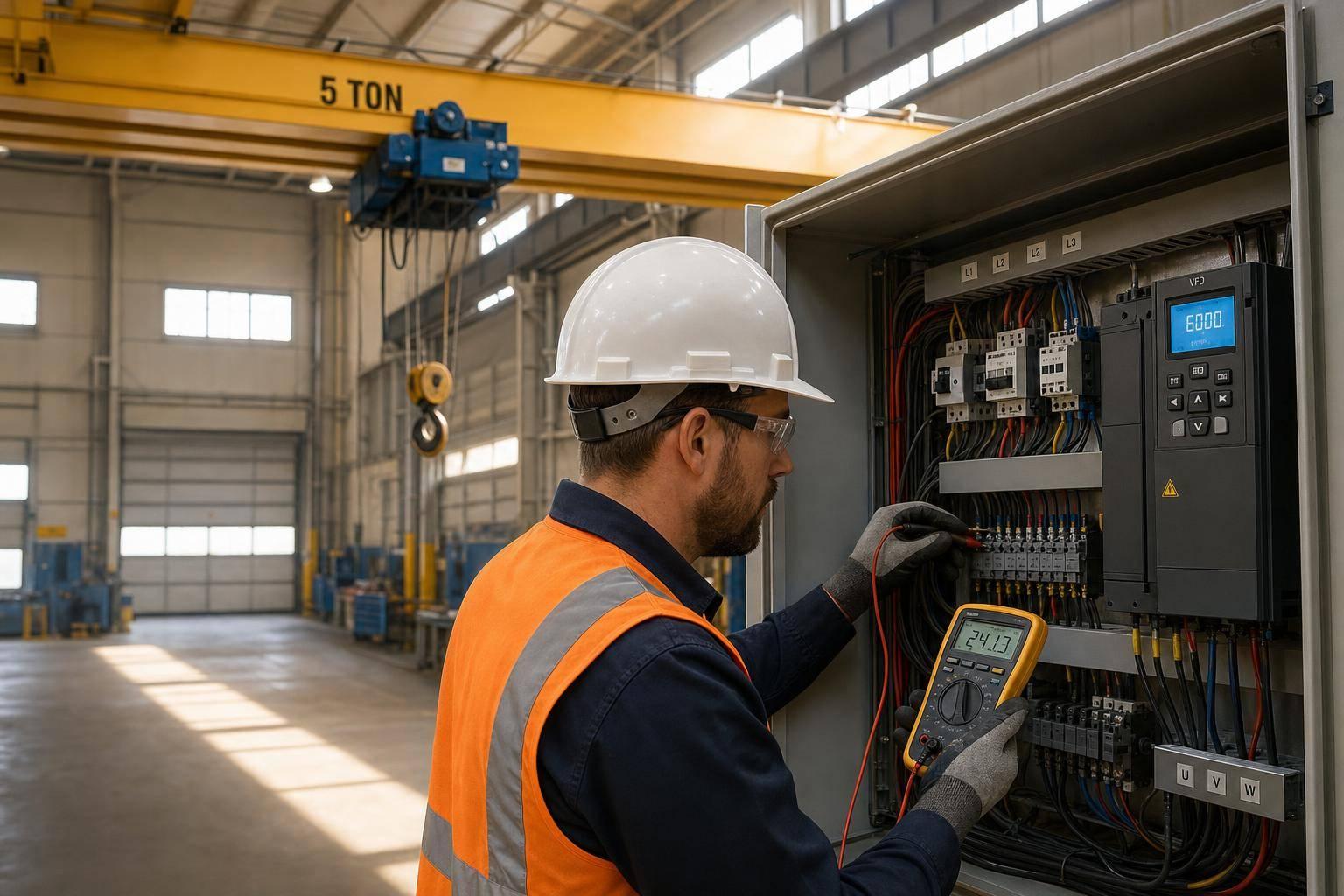
Troubleshooting Overhead Crane Electrical Problems
Safety-first, step-by-step guide to diagnose and fix overhead crane electrical faults—power checks, control tests, motors, VFDs, and logging.
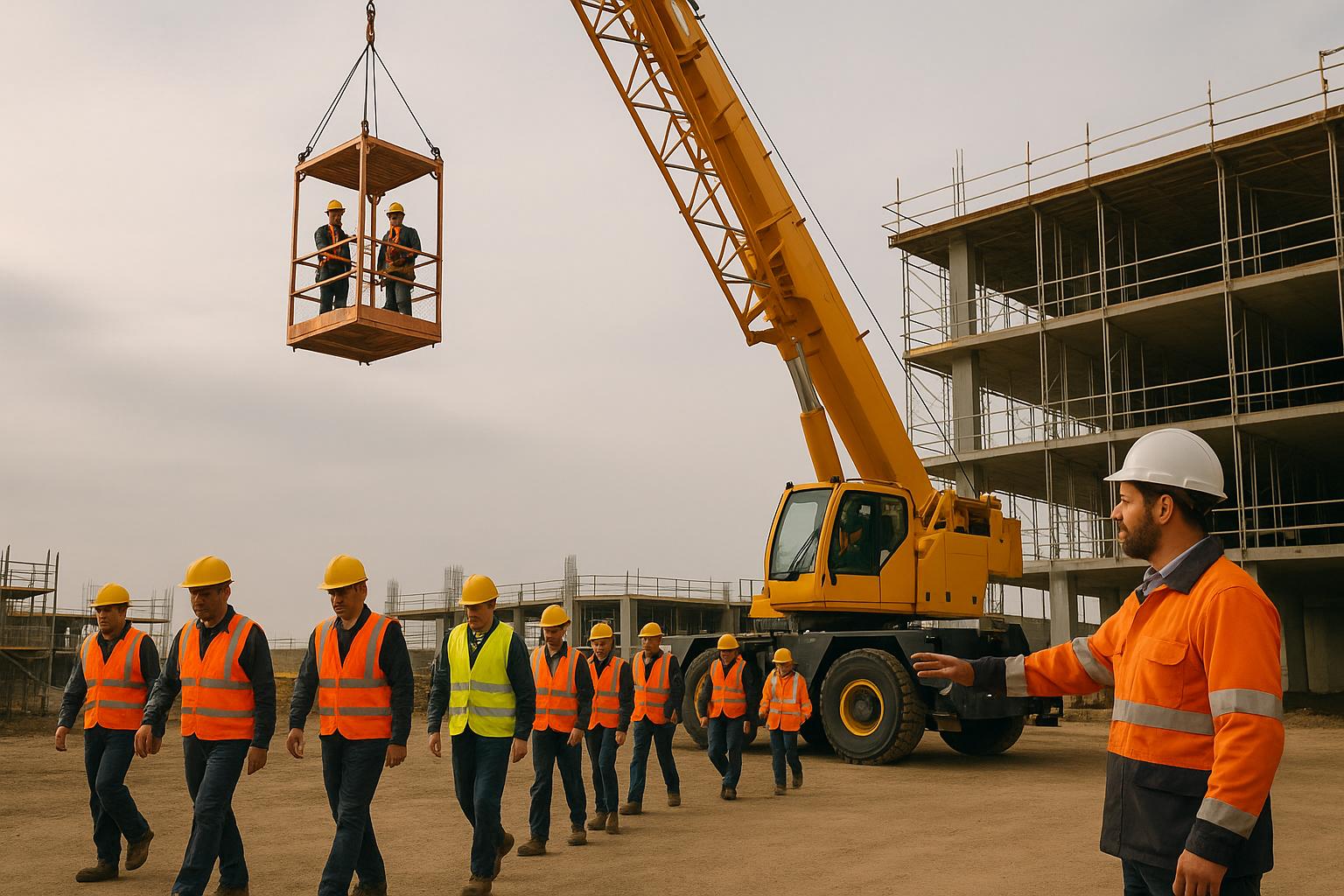
Crane Safety in Emergency Evacuations
Understanding crane safety during emergencies is crucial to prevent accidents and ensure effective evacuations at construction sites.
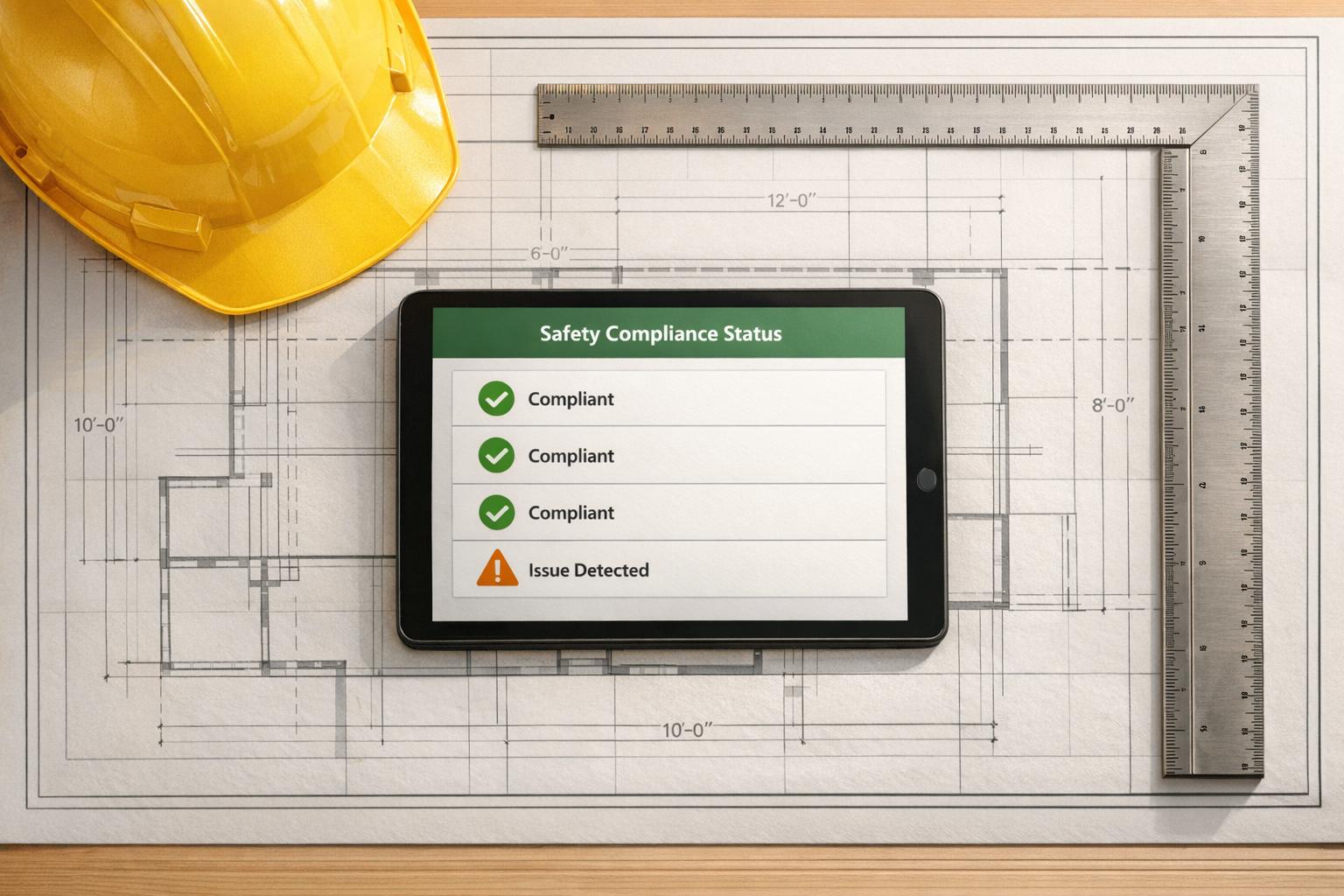
OSHA Safety Standards Analyzer
Ensure OSHA compliance with our free Safety Standards Analyzer. Identify gaps in your construction site safety measures and get actionable fixes fast!