
Crane Hand Signals Chart

Crane Hand Signals Chart
Fast, practical signal lookup
A clear Crane Hand Signals Chart makes it easier for operators, signal persons, riggers, and supervisors to review common lifting signals without wasting time. This tool is built as a quick on-page reference, with searchable entries, category filters, and short descriptions that are easy to scan on a phone or desktop. Whether you need to check hoist, lower, swing, travel, or emergency commands, the layout keeps the information simple and readable.
Designed for real jobsite use
Each signal entry includes the signal name, a concise description of the hand motion, its category, and a brief usage note where that extra context helps. Users can search by keyword, filter by operation type, and expand a card for more detail when needed. That keeps the chart useful for fast lookups while still offering a little more guidance when someone wants clarification.
A reference tool, not a training substitute
This crane hand signals chart is intended to support day-to-day review, not replace formal instruction. Teams should always follow employer rules, applicable standards, and site procedures when confirming crane communication methods. Used the right way, a solid crane signal reference helps improve consistency, reduce confusion, and support safer lifting operations.
FAQs
What signals are included in this crane hand signals chart?
The chart covers common standard signals used in lifting operations, including hoist, lower, use main hoist, use whip line, boom up, boom down, swing, stop, emergency stop, dog everything, travel, raise boom and lower load, lower boom and raise load, extend boom, retract boom, and move slowly. Each entry is written in plain language so users can review the motion quickly and understand where it fits in typical crane communication.
Is this tool meant to replace formal crane signal training?
No. This is a practical on-page reference tool, not a certification or training program. It’s designed to help users quickly review standard crane hand signals, but it does not replace employer training, competent supervision, applicable regulations, consensus standards, or site-specific communication rules. Users should always confirm which signals are required and accepted for the job they’re performing.
Why does the page remind users to follow employer rules and site procedures?
Because crane signaling can vary based on the work environment, equipment, company policy, and governing standards. A quick reference chart is useful, but safe lifting depends on using the correct signal system for the specific site and making sure everyone involved understands it the same way. That reminder helps keep the tool in the right role: a handy reference that supports safe work, not a substitute for approved procedures.
Blogs, calculators, and other content on the TDS blog is for educational purposes only and does not constitute crane or rigging advice. For information specific to your situation, please contact us for an estimate or consultation.
Related Articles
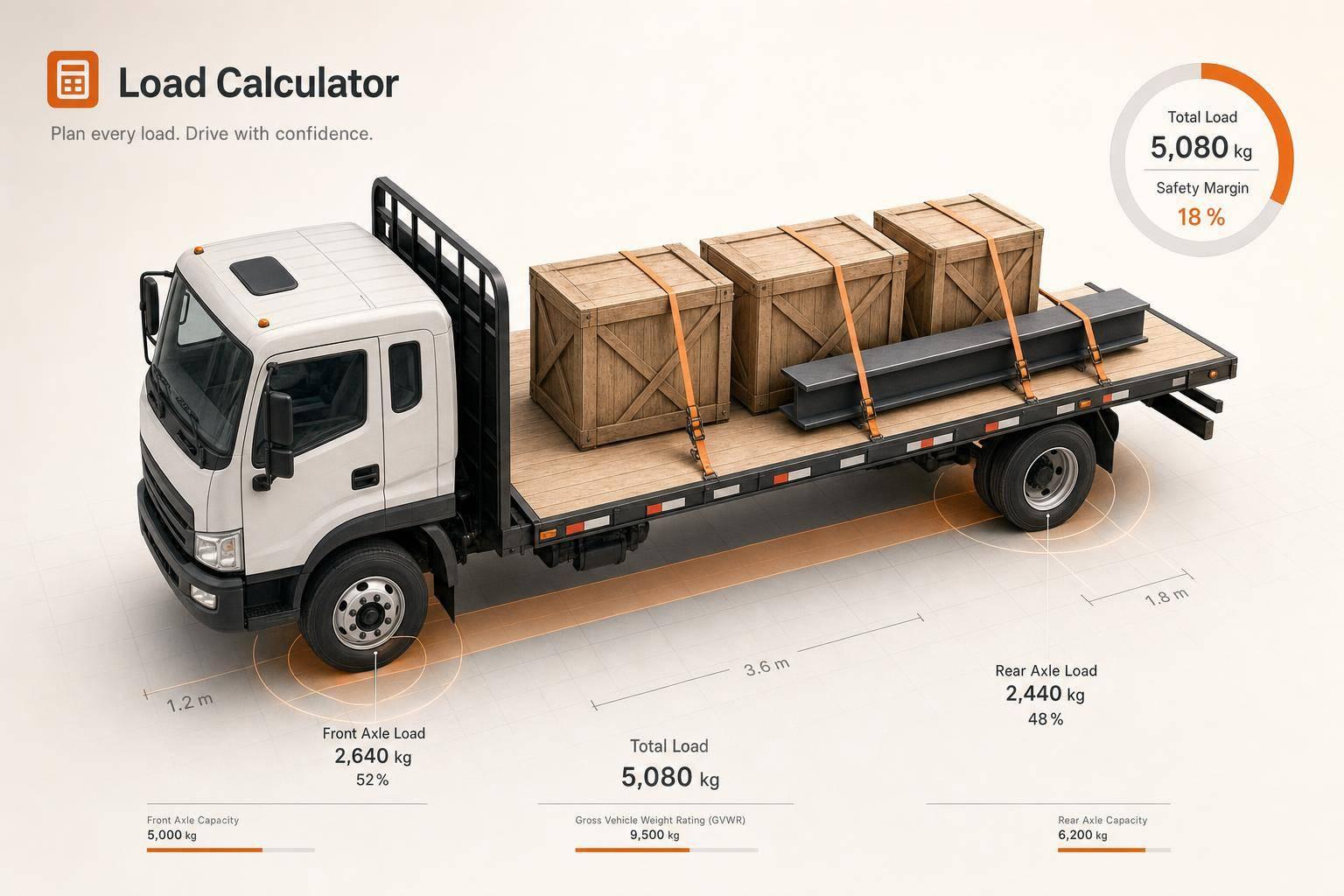
Load Calculator
Quickly calculate total load, capacity limits, safety margins, and axle estimates for lifting, transport, and everyday load planning.
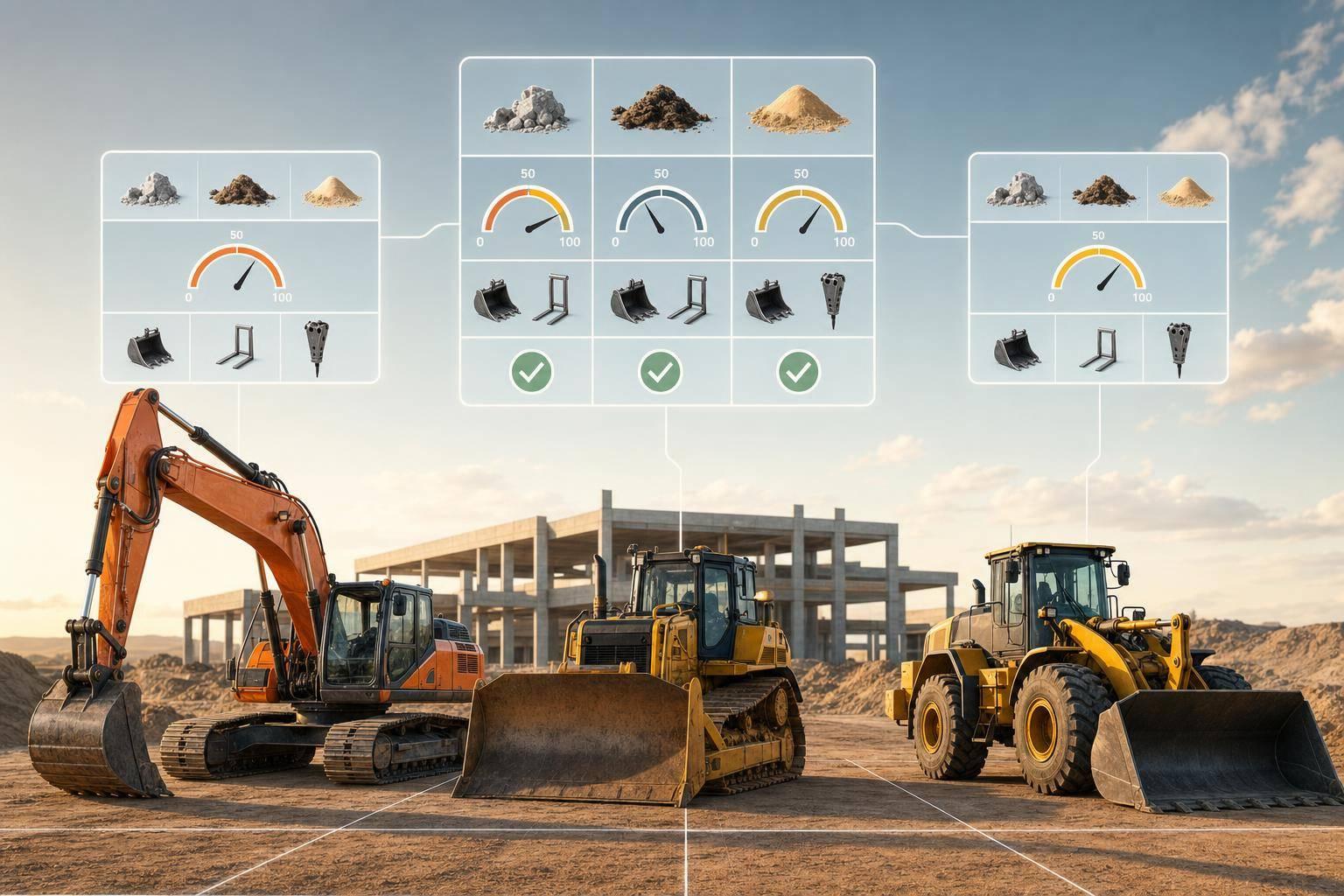
Heavy Equipment Compatibility Checker
Find compatible construction equipment by terrain, capacity, and attachments. Get fast recommendations and compare fit before you decide.

Best Practices for Welding Inspection Safety
Welding inspection safety guide covering PPE, LEV ventilation, pre-weld checks, NDT, and OSHA-compliant hot-work and emergency procedures.