
Crane Lifting Capacity Calculator
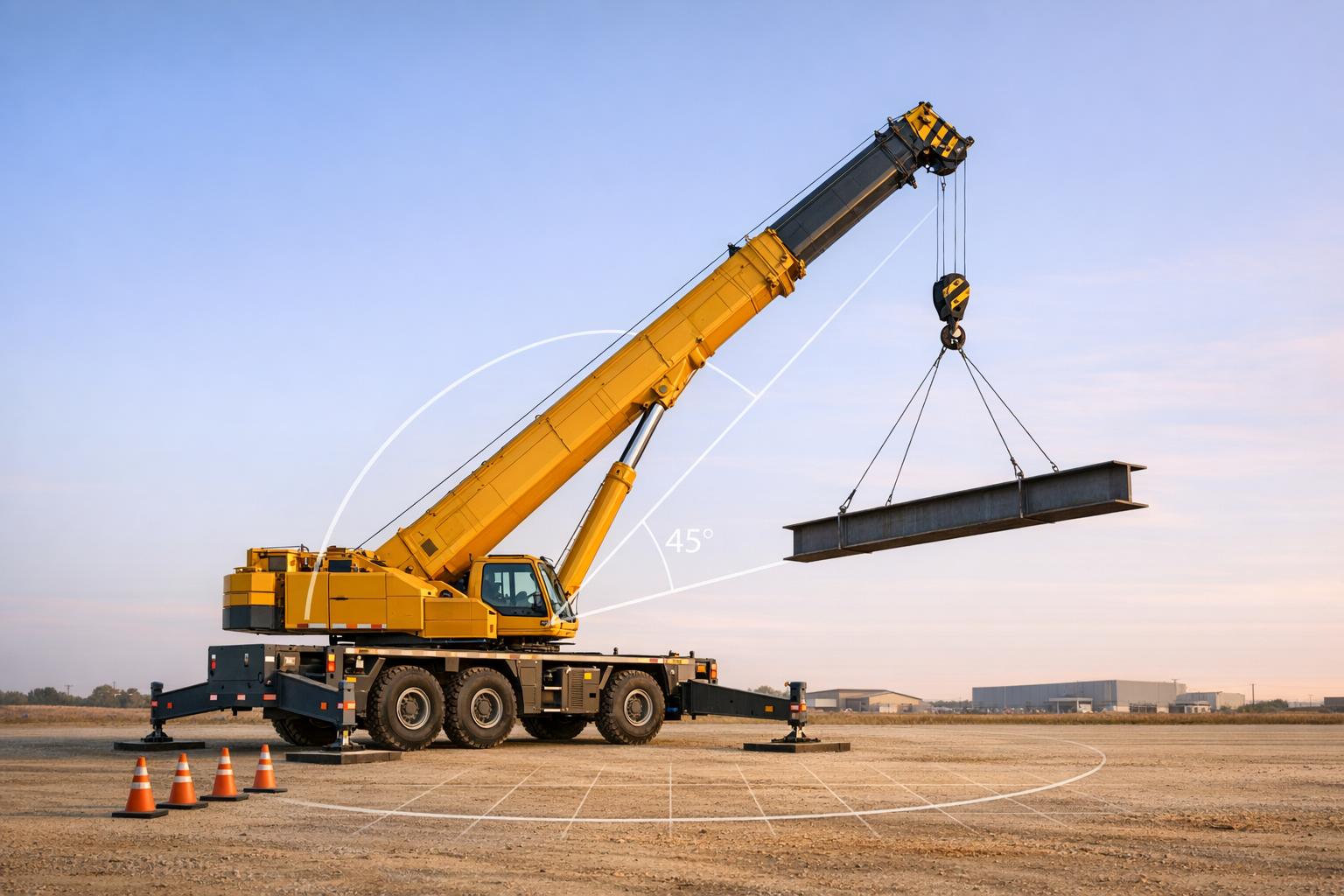
Plan Lifts With More Confidence
A Crane Lifting Capacity Calculator helps crews, estimators, and project planners get a quick sense of what a crane may be able to handle before a lift ever begins. By entering crane type, boom length, load radius, and optionally boom angle, users can generate an estimated lifting capacity in tons or kilograms. That makes it easier to compare setup options, review whether a lift is in a workable range, and spot situations where a different machine or configuration may be needed.
Why These Inputs Matter
Crane performance changes fast when boom length increases or the load moves farther from the centerline. A longer reach often means lower capacity, and a wider radius can reduce safe lifting limits even more. This crane capacity estimator gives a practical reference point using simplified load chart logic based on typical crane behavior.
Use Estimates the Right Way
This tool is best for early planning and general reference. It does not replace the manufacturer’s load chart, engineered lift plans, or on-site judgment from qualified personnel. For safer decisions, users should keep a margin below the estimated result and confirm all final numbers against official crane documentation. That way, a Crane Lifting Capacity Calculator becomes a helpful planning aid instead of a substitute for critical safety checks.
FAQs
How accurate is this crane lifting capacity calculator?
It’s designed to provide a reasonable planning estimate, not a certified lift value. Real crane capacity depends on the exact make and model, outrigger setup, counterweights, ground conditions, boom configuration, attachments, and manufacturer load charts. Use this tool for reference, then confirm every lift with the official chart and site-specific lift planning process.
Why does lifting capacity change when load radius increases?
As the load moves farther away from the crane’s center of rotation, the crane has to resist more tipping force. That means the safe lifting capacity usually drops as load radius grows. Even small changes in radius can make a noticeable difference, which is why accurate measurement matters so much on real lifting jobs.
What safety margin should I use when reviewing the result?
A common planning approach is to avoid exceeding 85% of the estimated or rated capacity unless a qualified engineer, lift director, or manufacturer guidance says otherwise. That extra margin helps account for real-world variables like wind, rigging weight, setup tolerances, and dynamic loading. It’s a practical reminder that the displayed result is only one part of a safe lifting decision.
Blogs, calculators, and other content on the TDS blog is for educational purposes only and does not constitute crane or rigging advice. For information specific to your situation, please contact us for an estimate or consultation.
Related Articles
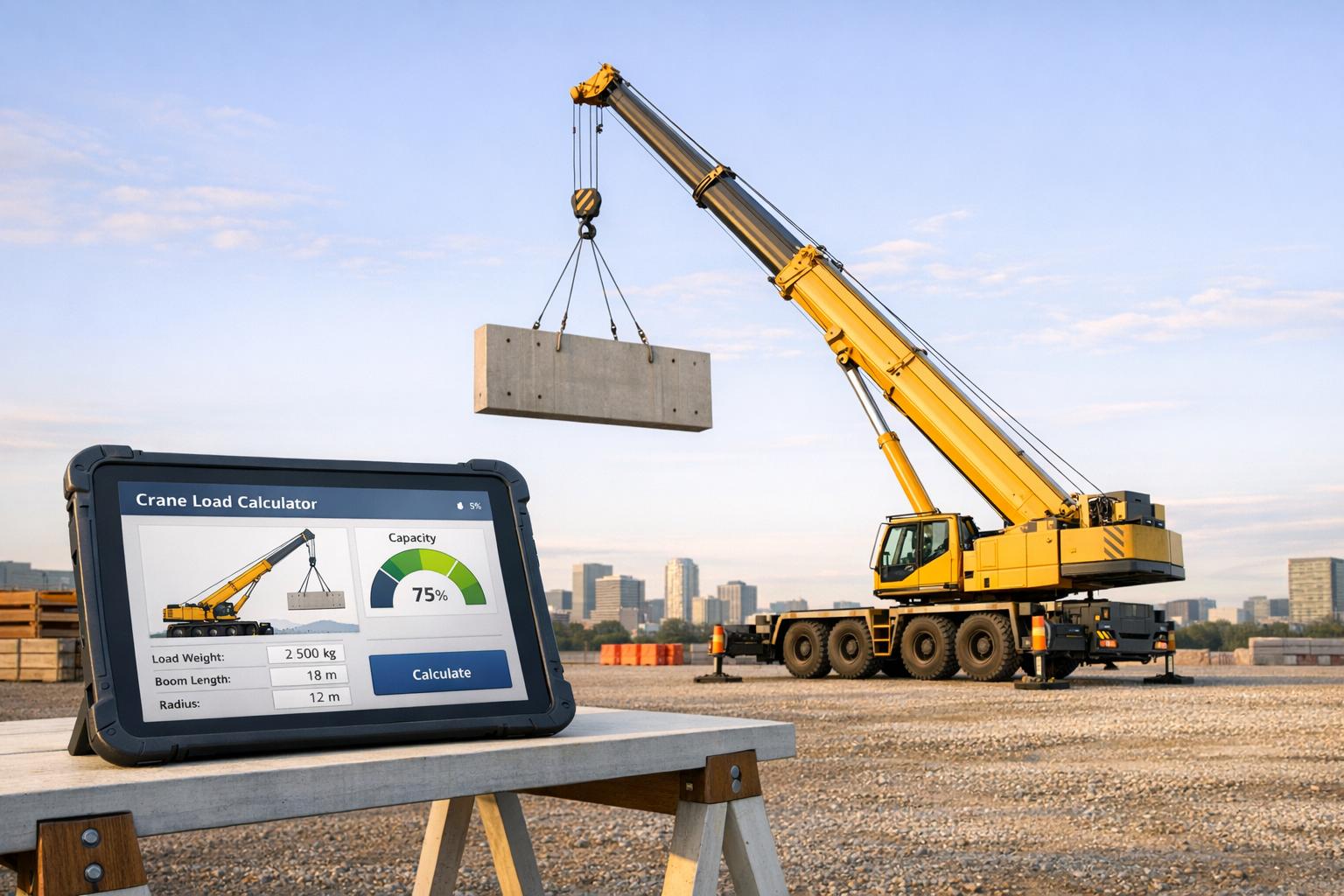
Crane Load Calculator for Safe Lifting
Calculate safe crane load capacities with ease! Input crane type, boom length, and more to ensure safety on your construction site. Try it now!
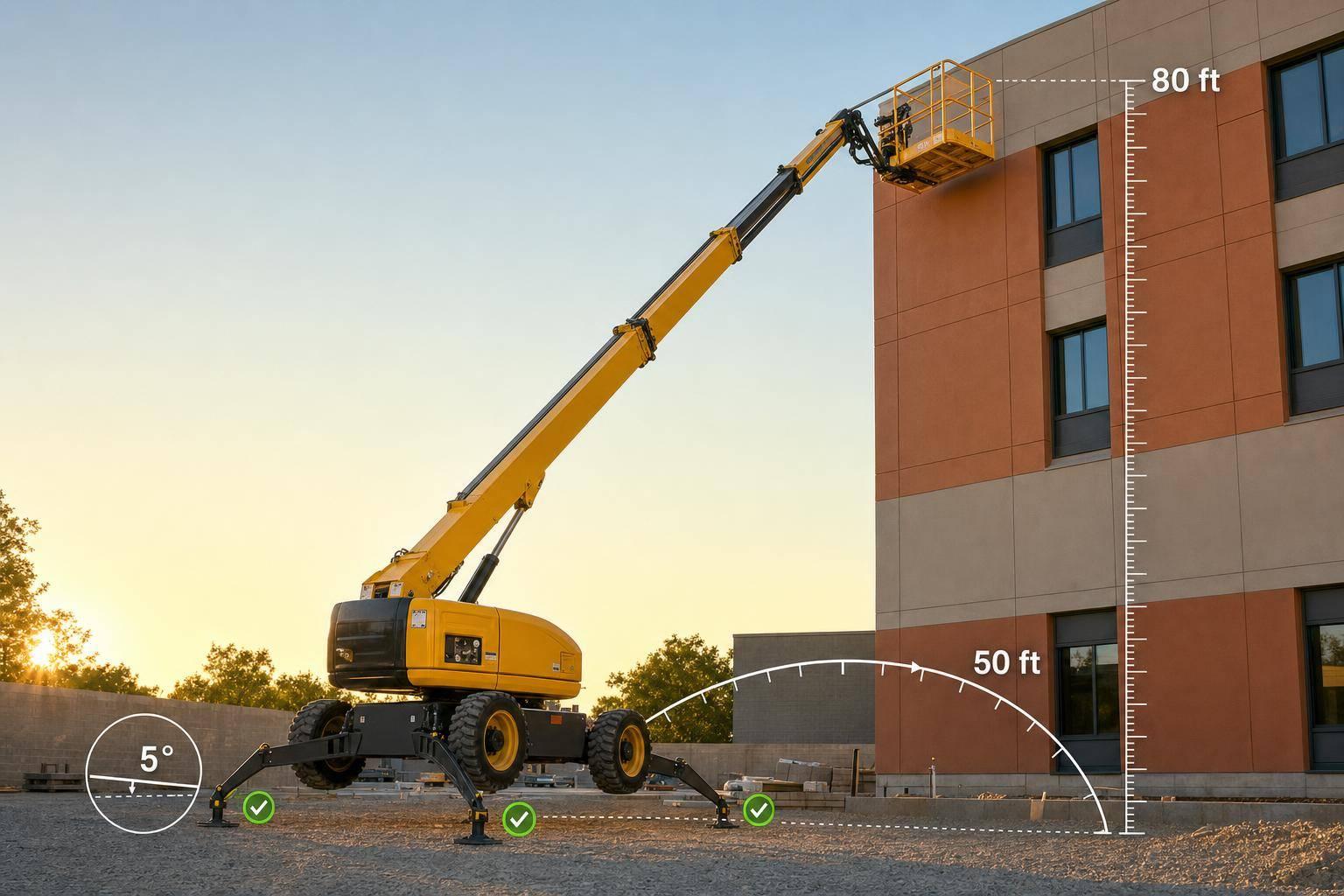
Boom Lift Calculator
Estimate boom lift platform height, outreach, slope effects, and setup checks fast—then verify final limits with OEM charts and site safety rules.

Best Practices for Welding Inspection Safety
Welding inspection safety guide covering PPE, LEV ventilation, pre-weld checks, NDT, and OSHA-compliant hot-work and emergency procedures.