
Steel Fabrication Weight Converter
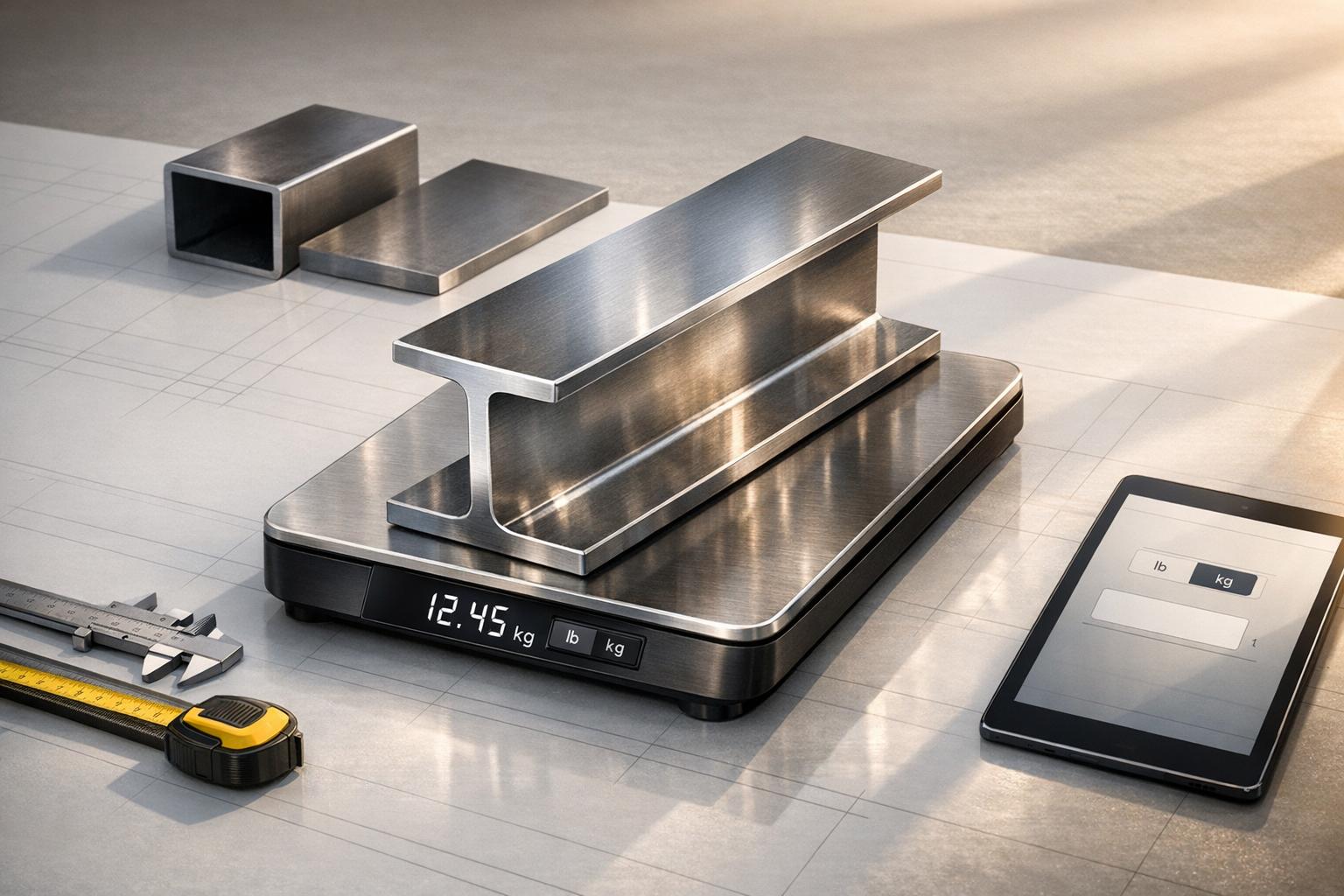
Steel Fabrication Made Easy with a Weight Converter Tool
When working on construction or engineering projects, knowing the exact weight of steel components is crucial for planning and safety. A reliable steel weight calculator can be a game-changer for fabricators and engineers who need quick, accurate estimates without diving into complex math. Whether you're dealing with beams for a skyscraper or plates for a custom build, having the right tool at your fingertips saves time and reduces errors.
Why Weight Calculations Matter
Steel comes in various shapes and grades, each with unique densities that impact the final weight. Manually calculating volume and multiplying by density can be tedious, especially when juggling multiple components. That’s where a digital solution shines—it handles the heavy lifting (pun intended!) by automating the process. Just input dimensions, select a material type, and toggle your preferred unit, whether pounds or kilograms. Plus, with a built-in reference for common densities, you’ve got everything you need in one place. For professionals and hobbyists alike, this kind of utility streamlines workflows and ensures you’re always on the mark with load planning and material ordering.
FAQs
How accurate is this steel weight converter?
Our tool provides estimates based on standard density values for common steel grades and precise volume calculations from your input dimensions. That said, actual weights can vary slightly due to differences in material composition or manufacturing tolerances. Always consider this as a close approximation and consult with suppliers for critical applications.
Can I use this tool for other metals besides steel?
Right now, this tool is tailored specifically for steel with preset densities for grades like mild and stainless. If you’re working with other metals, you’d need to find their density values elsewhere and do a manual calculation. We’re looking to expand to other materials in the future, so stay tuned!
What if I don’t know the exact steel grade?
No worries! If you’re unsure about the grade, just pick the closest match from our list, like mild steel for general purposes. The tool includes a reference table with common densities to guide you. Keep in mind that this might affect accuracy a bit, so double-check with your material specs if precision is key.
Blogs, calculators, and other content on the TDS blog is for educational purposes only and does not constitute crane or rigging advice. For information specific to your situation, please contact us for an estimate or consultation.
Related Articles
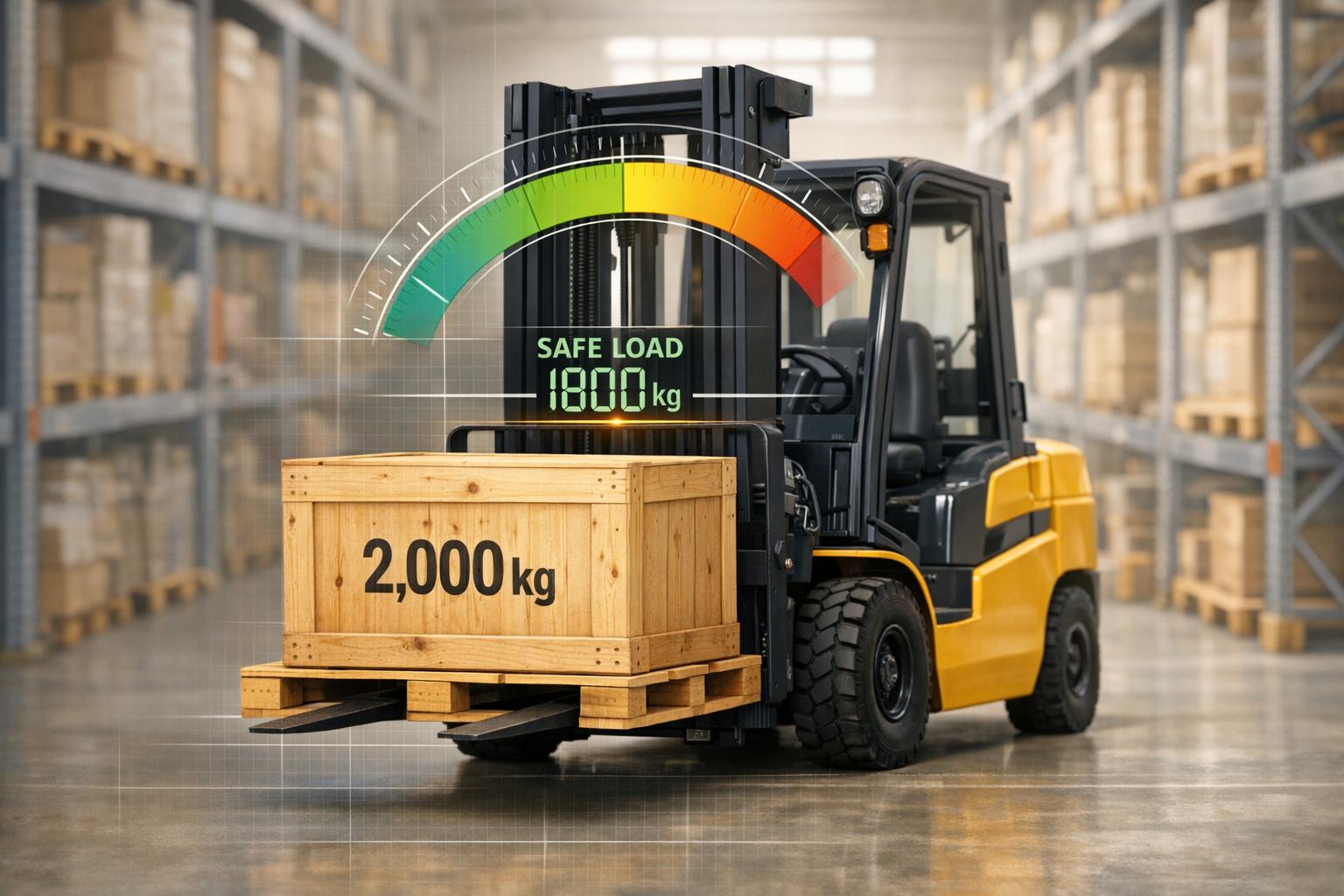
Heavy Equipment Load Capacity Checker
Check if your equipment can handle a load with our free tool. Input weight, select type, and get instant safety results for forklifts and more!
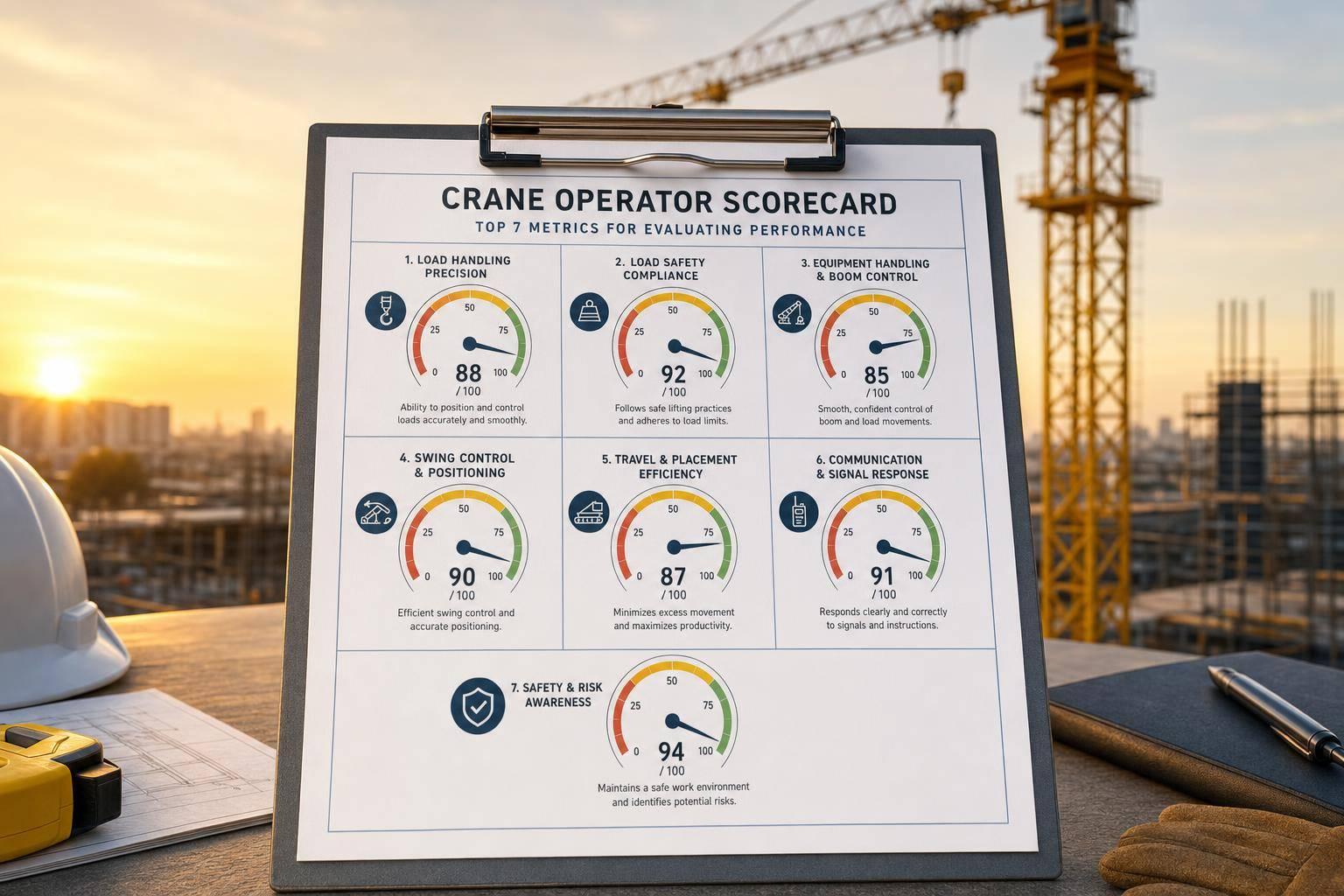
Top 7 Metrics for Evaluating Crane Operators
A single written scorecard of seven measurable metrics reveals real crane operator competence—beyond certifications.
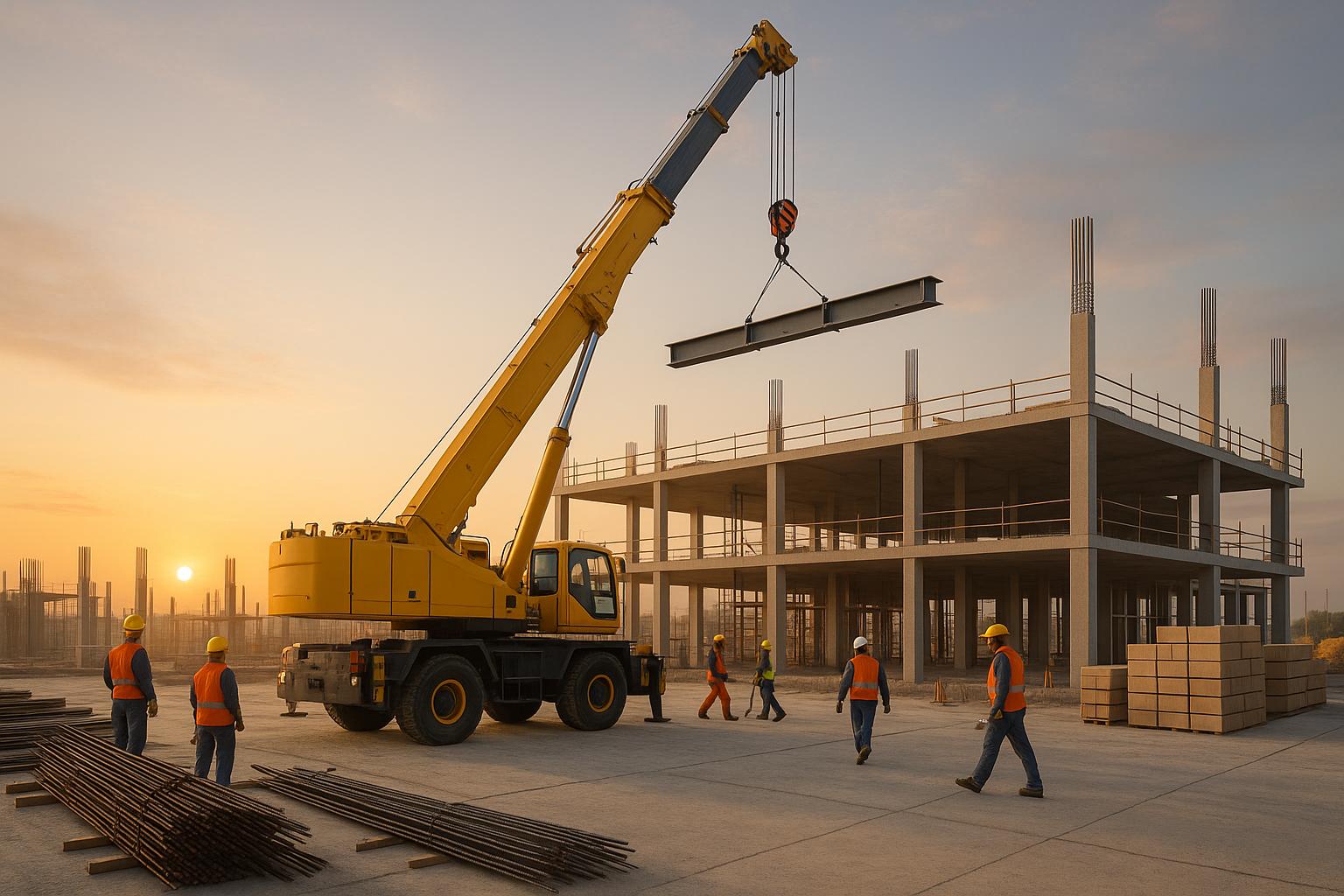
How to Choose the Right Crane for Your Project
Selecting the right crane for your project is essential for safety, efficiency, and cost management. Learn how to evaluate your needs and site conditions.