
Custom Welding for Crane and Rigging Equipment

Custom welding is essential for maintaining and repairing crane and rigging equipment in construction. It ensures safety, compliance with OSHA standards, and extends equipment life. From fixing damaged hooks to fabricating new components like spreader beams, welding addresses the unique demands of construction projects. Key points include:
- Repairs: Fix cracks, wear, and deformation in equipment.
- Modifications: Adjust components for specific project needs.
- Fabrication: Create new parts tailored to precise requirements.
- Safety Standards: Certified welders ensure compliance with OSHA and ASME regulations.
TDS Erectors & Crane Service specializes in certified welding, offering repair, modification, and fabrication services to keep your equipment safe and operational. Visit tdscrane.com for professional support.
Anatomy of a Weld Repair with Southwest Welding

sbb-itb-6be7c12
Welding Techniques for Crane and Rigging Equipment
Custom welding for crane and rigging equipment requires precise methods designed to handle the intense demands of heavy-duty applications.
Standard Welding Methods for Heavy Equipment
Welding has been the go-to method for fabricating cranes since the 19th century. It’s cost-efficient, provides excellent structural strength, and preserves the steel's full cross-section. Modern steel gantry cranes, with capacities ranging from 500 kg to 320 tons, demand welding techniques that can handle these extreme loads. The strength of a welded joint depends on several factors: the base metal type, electrode selection, shielding gas, and heat input during the process. For precision repairs, technicians often create V-shaped grooves about 0.47 inches deep to ensure the weld penetrates fully and bonds securely. Managing issues like hydrogen diffusion, weld hardening, and binding stress is critical to prevent cracking. In some cases, critical components are wrapped in asbestos fabric for up to 8 hours post-welding. This controlled cooling process helps prevent thermal shock and ensures a durable weld. These meticulous practices ensure materials meet the rigorous demands of heavy equipment while adhering to strict safety standards.
Material Selection and Welding Requirements
The material used in crane and rigging equipment directly impacts the welding approach. For example, crane rails are made with high-carbon steel for wear resistance, which requires elevated preheating to avoid defects. Repairs on high-strength components often involve preheating to around 572°F, with the interlayer temperature maintained at or above this level during multi-layer welding.
Rigging components like chains and wire ropes are typically crafted from high-grade, heat-treatable steel. However, passing welding current through these parts can create localized hard spots and stress risers, leading to cracking or failure. ANSI Z49.1 emphasizes:
Chains, wire ropes, cranes, hoists, and elevators shall not be used to carry welding current.
To prevent such risks, rigging components must be electrically isolated to avoid stray current damage.
Safety Standards and Certifications
Proper welding techniques and material selection are essential for ensuring the durability of crane components. To minimize the risk of cracks, low-hydrogen electrodes like the J557 are commonly used. These electrodes help reduce hydrogen content in the weld. After each weld bead, hammering is performed to release residual stress. Additionally, non-welded surfaces, such as gear teeth, are coated with protective materials like yellow mud to shield them from heat distortion or accidental damage. Chains or wire ropes with visible arc strikes must be permanently removed from service to prevent metallurgical damage.
Regular inspections are equally important. OSHA 1926.1412 mandates annual comprehensive checks of crane structures to identify issues like cracks, deformations, or corrosion. Furthermore, all welding on crane components must be handled by certified welders who meet nationally recognized standards.
How Custom Welding Is Used in Crane and Rigging Equipment

Three Main Applications of Custom Welding in Crane and Rigging Equipment
Custom welding plays a critical role in the crane and rigging industry, going beyond simple repairs to include modifications and the creation of entirely new components. It addresses three main needs: repairing damaged equipment, adapting components to specific project requirements, and fabricating new parts. Each of these applications requires meticulous attention to detail and strict adherence to safety standards to ensure equipment reliability.
Repairing Damaged Equipment
Welding repairs are essential for restoring the structural integrity of damaged crane and rigging components, helping extend the service life of heavy machinery. Certified welding professionals and on-site fabrication teams handle issues like nicks, gouges, or worn contact points on hooks, shackles, and fittings, ensuring equipment can return to safe operation.
However, not all damage can be fixed. While some fittings and wire rope assemblies can be repaired, components with severe cracks or deformations may need to be retired to avoid potential failures. A thorough visual inspection for signs of wear or damage is crucial, and consulting a professional helps determine whether repair or replacement is the safer option.
Once repairs are completed, the equipment must undergo live load proof testing to verify its capacity and safety. Proper documentation of these repairs and certifications is essential for meeting OSHA and other regulatory requirements. This is especially important given that human error accounts for 90% of crane accidents, which result in approximately 42 fatalities annually in the U.S..
In addition to repairs, custom welding also supports modifications to address specific project needs.
Modifications for Project-Specific Needs
Custom welding allows for modifications that adapt equipment to unique challenges, making it more versatile and efficient. Structural repairs and flame strengthening can improve safety, while updates like replacing trolley and festoon rails or performing mechanical refurbishing help reduce downtime and operational costs.
When modifying equipment, the materials used must be carefully chosen to withstand the specific environmental conditions they’ll face. Factors like extreme temperatures, exposure to corrosive substances, or high humidity levels can all impact material performance. Certified welding services ensure these modifications meet stringent safety and quality standards, providing peace of mind for operators and project managers alike.
Fabrication of New Components
When repairs or modifications aren’t enough, custom fabrication comes into play. This involves creating entirely new components tailored to exact project requirements. Welders craft specialized parts like brackets, beams, and lifting mechanisms designed to handle specific loads and dimensions, using advanced techniques and carefully selected materials.
Before newly fabricated components can be used, they must pass live load proof testing to confirm their safety and compliance. A professional inspection process - complete with trained evaluators and detailed documentation - ensures the new parts meet industry standards and perform reliably in the field.
Working with TDS Erectors & Crane Service
Custom Solutions for Construction Professionals
TDS Erectors & Crane Service works closely with construction professionals to craft welding solutions designed to meet the specific needs of each project. They handle everything from specialized fabrications to timely modifications, all while maintaining a strong focus on safety and efficiency.
Their approach is built on open communication throughout every phase of the project. This ensures that the solutions provided not only address technical requirements but also align seamlessly with the operational goals and timelines of construction teams. Whether it’s commercial fabrication or on-site repairs, their services are designed to integrate smoothly into the broader workflow.
This commitment to custom solutions lays the groundwork for the technical expertise and high standards discussed below.
Expertise and Certifications
The team at TDS Erectors & Crane Service is made up of certified professionals with extensive training in welding and crane operations. Their credentials include OSHA compliance and specialized experience with heavy equipment welding, such as mobile hydraulic, lattice boom, and articulated boom cranes. Additionally, their NCCCO certifications in Crane Operation, Rigger-1, and Signalperson highlight their practical expertise.
This combination of skills ensures the team not only knows how to perform precise welding but also understands the importance of using the right techniques and materials for equipment that must handle extreme loads and stresses.
Safety and Quality Standards
TDS places safety and quality at the forefront of its operations, leveraging advanced technology and strict compliance measures to maintain a safety record that exceeds industry averages. Their dedication to protecting workers and equipment is evident in every aspect of their work.
The company adheres to OSHA standards, conducts regular safety audits, and uses advanced automated welding systems to ensure top-tier quality while minimizing downtime. Once a project is completed, it undergoes a detailed inspection and thorough documentation process. This guarantees that all work meets or exceeds industry standards before the equipment is returned to service.
These carefully tailored solutions highlight the importance of custom welding in maintaining the safety and efficiency of construction projects.
Conclusion
Key Takeaways
Custom welding plays a critical role in keeping crane and rigging equipment safe and performing well, especially during repairs, modifications, or fabrication for demanding construction projects. Certified professionals, well-versed in welding standards like AWS D1.1 and knowledgeable in crane operations, use advanced methods and conduct thorough inspections to ensure every weld can handle extreme loads and stresses. Choosing a provider that combines crane, rigging, and fabrication services streamlines coordination and minimizes delays. This highlights the importance of working with experts in custom welding.
Next Steps for Construction Professionals
To build on this knowledge, it’s time to connect with experienced professionals for your welding needs. TDS Erectors & Crane Service brings the certifications and expertise required to meet your project’s demands, ensuring compliance with safety standards. Their team includes OSHA-certified operators and specialists in welding.
Visit tdscrane.com to explore how they can assist with emergency repairs, project-specific modifications, or new fabrications. Keep your equipment reliable and your projects on track with their trusted support.
FAQs
When should crane or rigging gear be repaired vs replaced?
Crane or rigging gear should only be repaired when the damage is minor and can be restored to a safe, fully operational state. If the damage is severe, compromises safety, or cannot be fixed to meet industry standards, replacing the equipment is the only option. Ensuring safety and adhering to regulations is critical for maintaining dependable equipment performance.
Can welding damage wire rope or chain rigging?
Welding can harm wire rope or chain rigging if arc strikes happen, especially when grounding isn't done correctly. To avoid this, it's crucial to use proper grounding techniques and follow safe welding practices. Always prioritize safety measures to shield rigging equipment during welding tasks.
What proof testing is needed after welding or fabrication?
Proof testing plays a crucial role in confirming the safety and reliability of equipment following welding or fabrication. While the exact steps can vary based on the equipment type and specific safety regulations, the primary goal remains the same: to assess the strength and dependability of the equipment and ensure it meets established industry standards.
Related Blog Posts
Blogs, calculators, and other content on the TDS blog is for educational purposes only and does not constitute crane or rigging advice. For information specific to your situation, please contact us for an estimate or consultation.
Related Articles
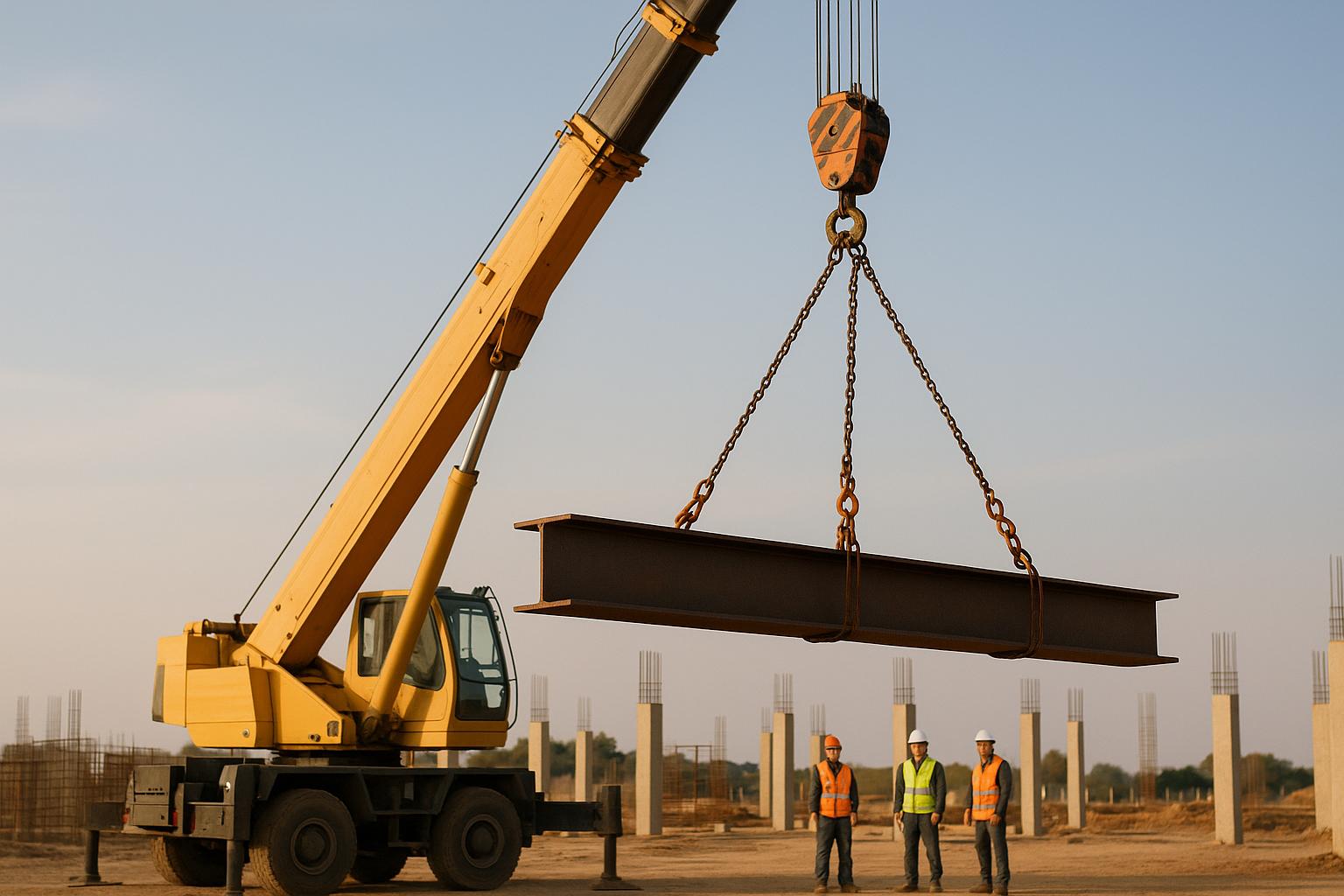
How to Calculate Crane Lifting Capacity Safely
Learn how to safely calculate crane lifting capacity by understanding key factors, reading load charts, and adhering to safety protocols.
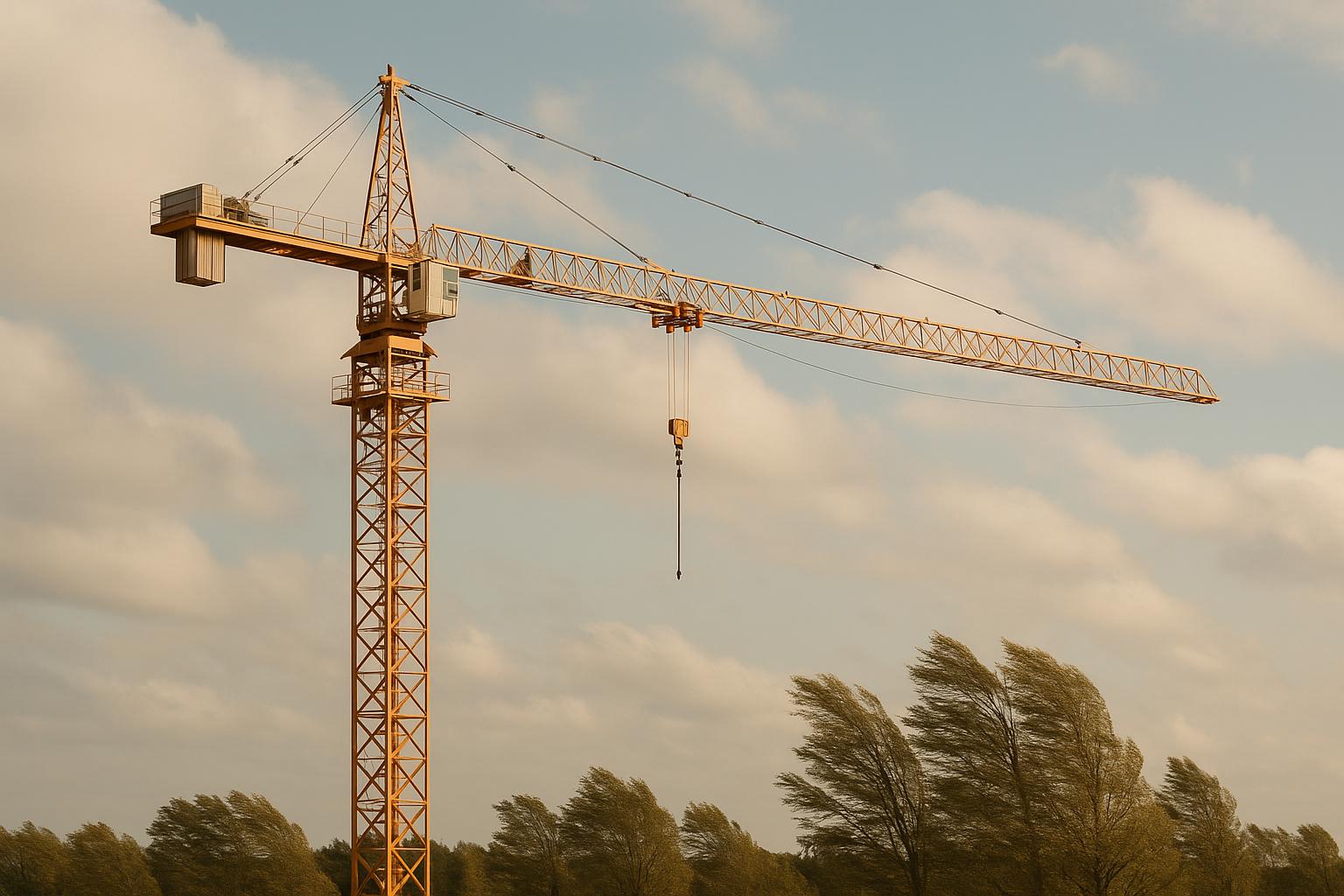
Wind Speed Limits for Crane Operations
Wind thresholds, measurement tips, and manufacturer-based stop-work rules to keep crane lifts safe in gusty conditions.
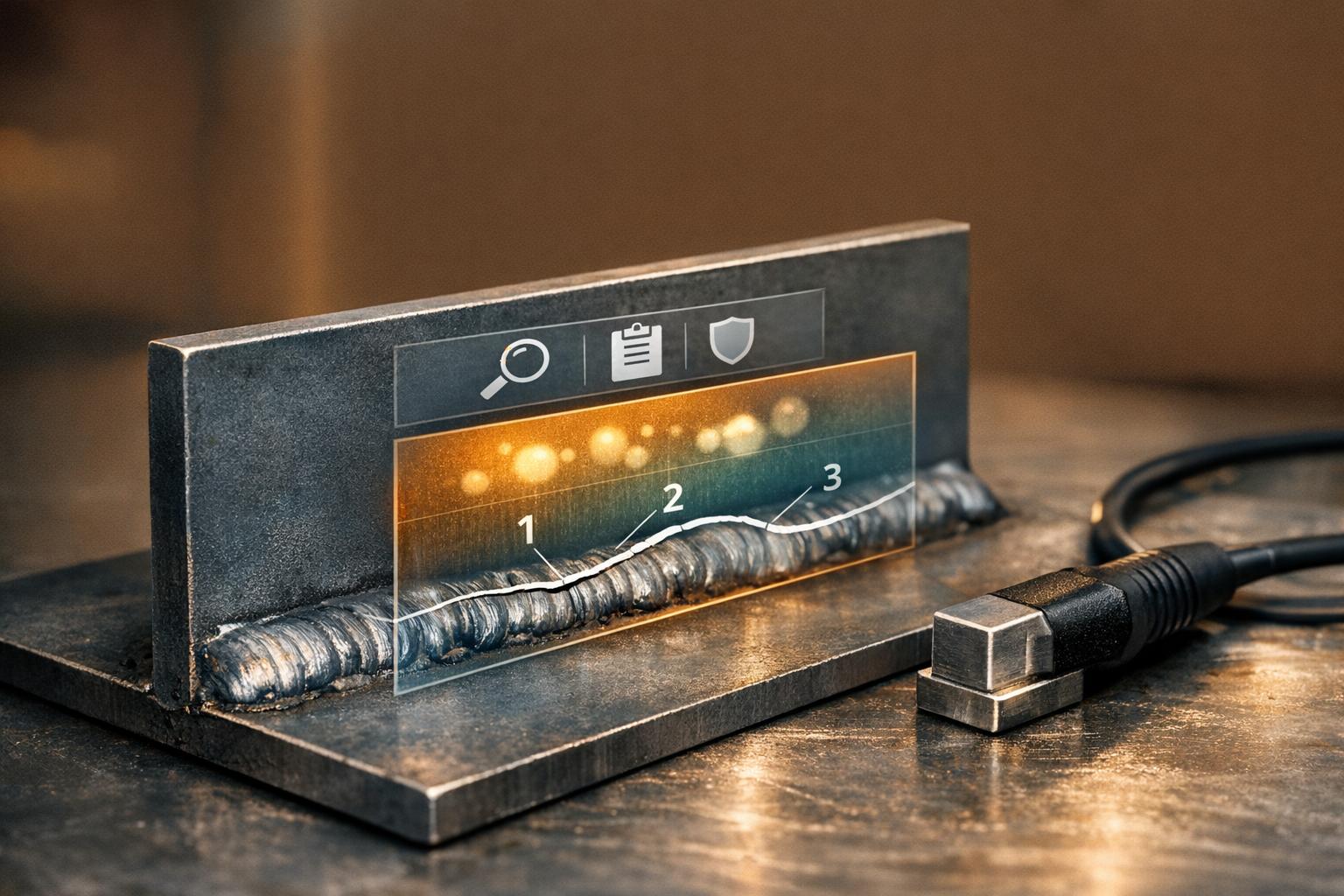
Root Causes of Weld Failures: Analysis Guide
Systematic guide to diagnosing weld failures: defects, root causes, NDT methods, documentation, and prevention tips.