
NCCCO Certification Training: Why Working With a Trainer Helps You Get Certified

If you’re aiming for NCCCO certification, working with a professional trainer can save time, reduce stress, and increase your chances of passing. The certification process involves a written exam on crane operation and safety, plus a practical test demonstrating precise skills. Both must be completed within 12 months, and the exams are challenging - especially without guidance. Trainers provide structured study plans, hands-on practice, and expert tips to help you navigate tough areas like load chart calculations and test maneuvers. With their support, first-time pass rates can exceed 90%, compared to lower success rates with self-study. Beyond certification, this training can lead to better job opportunities and higher pay, with certified crane operators earning an average of $85,000 annually. Investing in professional training not only helps you pass but also sets you up for long-term success in a growing industry.
How to Pass a CCO Practical
sbb-itb-6be7c12
What the NCCCO Certification Process Involves
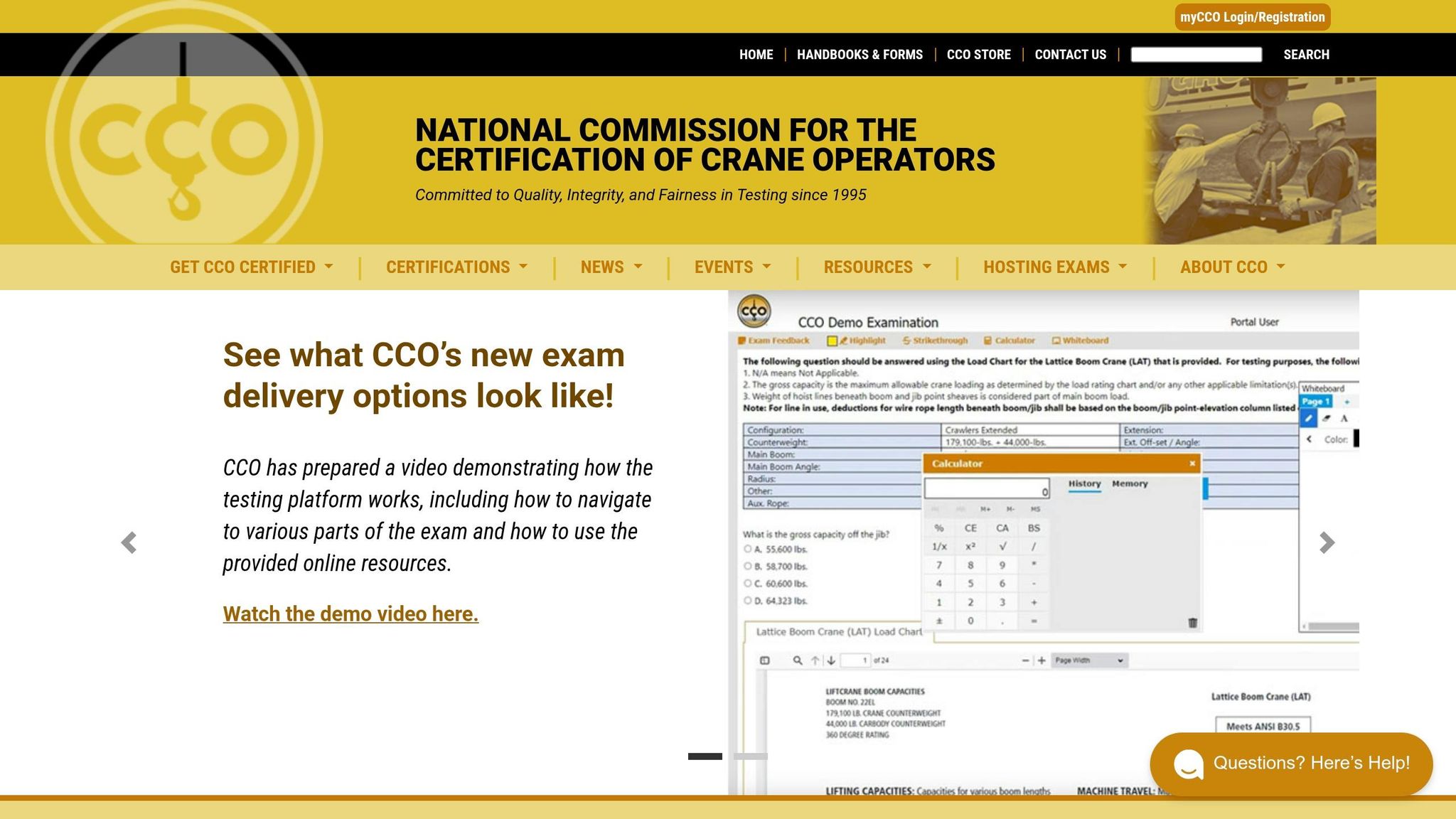

NCCCO Certification Process Timeline and Requirements
Main Parts of NCCCO Certification
The NCCCO certification process includes two key exams: a written test and a hands-on practical assessment.
The written test is split into two sections. First, there’s the Core Exam, which tests general crane knowledge applicable to all types of equipment. This part consists of 90 multiple-choice questions, and you’ll have 90 minutes to complete it. The second part is the Specialty Exam, which focuses on the specific type of crane you’ll be operating - whether it’s a telescopic boom with a fixed cab (TSS), a swing cab (TLL), or a lattice boom (LAT). This section includes 26 questions and must be completed in 60 minutes. To pass, you need a score of at least 70% on both exams.
The practical exam measures your actual operating skills. Tasks include performing a pre-operational inspection, demonstrating hoist control by placing a chain in a circle, navigating a zigzag corridor without hitting PVC poles, and responding correctly to hand signals. Before the evaluation begins, you’ll have a 15-minute familiarization period to get comfortable with the crane’s controls, which helps in building muscle memory. Scoring is based on a point-deduction system: you start with a perfect score and lose points for errors, such as 1 point for hitting a ball or 3 points for knocking over a cone, as well as for exceeding the time limits for tasks.
You must pass both the written and practical exams within 12 months of completing the first part. Once certified, your credentials are valid for five years. For recertification, you’ll need to pass the written test again, but the practical exam is waived if you can document at least 1,000 hours of crane operation during the certification period.
While the process is straightforward, many candidates face specific challenges, which are explored next.
Problems Candidates Often Encounter
The NCCCO exams come with their own set of challenges, highlighting the importance of proper preparation. For the written tests, the technical nature of the questions often surprises candidates. One of the toughest areas is load chart interpretation, which makes up about 35% of the Specialty Exam. This section requires you to calculate net capacity, differentiate between structural and stability limits, and factor in deductions for rigging and attachments.
The practical exam also tests your skills under pressure. For example, navigating the zigzag corridor demands precise spatial awareness and careful control within strict time limits. Rushing often leads to excessive load swinging, which results in point deductions. Adding to the challenge, examiners follow strict protocols and do not provide feedback during the test.
According to Train For The Crane, "The system is fair but unforgiving, rewarding operators who are both accurate and efficient."
If you’re used to receiving on-the-spot corrections in a work setting, the lack of immediate feedback during the exam can feel unsettling.
Beyond the exams themselves, candidates must meet specific eligibility requirements. These include adherence to the NCCCO Substance Abuse Policy and compliance with ASME B30 physical standards, which cover vision (including depth perception and color recognition), hearing, and physical coordination. If you fail a written exam, you’ll need to wait four weeks before retaking it, and you’ll need to pay the exam fees again. On the upside, OSHA’s 2018 Final Rule requires employers to cover certification costs, including training and exam fees.
How Trainers Make Certification Easier
Custom Study Plans Based on Individual Needs
Professional trainers know that a one-size-fits-all approach rarely works. That’s why they start by evaluating your current knowledge through diagnostic tools like practice exams and quizzes, which can range from just a few questions to over 400. These assessments help identify where you’re struggling - whether it’s load chart calculations, safety protocols, or equipment-specific regulations.
From there, trainers design tailored learning tracks based on your experience. For instance, seasoned operators might enroll in a 3-day "Prep & Test" refresher course, while newer candidates often benefit from a more in-depth 3-week program that covers everything from the basics to advanced safety measures. This customized approach ensures you focus your energy on the areas that need the most attention, maximizing your study time.
Special attention is often given to challenging topics like load chart interpretation, which makes up 26% of the Core exam and 35% of the Specialty exam. Trainers break down complex material - such as ASME and OSHA standards - into smaller, digestible parts, making them easier to understand and retain. This approach not only reduces the need for last-minute cramming but also boosts exam readiness. Programs using these tailored strategies report pass rates of 90% or higher on written exams.
Training Tools and Resources Trainers Provide
Trainers equip you with far more than just a basic study guide. You'll gain access to both printed and digital manuals that cover everything from site safety to technical crane operations for equipment like Fixed Cab, Swing Cab, and Lattice Boom cranes. These materials often include extensive question banks with over 400 practice questions designed to mimic actual exam conditions.
One standout resource is specialized load chart exercises with detailed interpretation guides. These help you master essential calculations like net capacity and teach you to distinguish between structural and stability limits - skills that are critical for passing but tough to learn solo. Trainers also provide digital aids, including online flashcards for quick memorization, video tutorials that simplify complex concepts, and mobile apps for on-the-go study sessions.
For hands-on practice, many programs include simulated test environments featuring setups like zigzag corridors and barrel-drop stations. You’ll also get time behind the controls of different crane types - telescopic, lattice, and articulated - so you’re familiar with the equipment before test day. Additional tools, like wallet-sized hand signal cards and standardized inspection forms, are often included to reinforce learning. Leading programs update these resources every six months to reflect the latest industry standards. Together, these materials create a seamless connection between theoretical study and the practical skills you’ll need.
Connecting Classroom Learning to Hands-On Skills
Bridging the gap between theory and practice is a challenge for many candidates. Trainers address this by combining about 40 hours of classroom instruction with hands-on practice. Beyond teaching load chart interpretation, they demonstrate real-world crane configurations and safe lifting techniques.
Repetition is key for developing muscle memory. Trainers provide ample seat time to practice maneuvers like controlling pendulum motion and navigating obstacles in a controlled setting before the practical exam. This hands-on experience transforms theoretical knowledge into precise, confident actions.
Workshops and interactive simulations also play a big role. For example, abstract concepts like "center of gravity" and "stability percentages" become much clearer when you see how they influence a crane’s behavior during operation. Video tutorials and other visual aids break down complicated mechanical and safety topics into more digestible pieces than dense regulatory texts. This comprehensive approach ensures you’re well-prepared for both the written and practical parts of your certification exam.
Hands-On Practice for Practical Exams and Job Sites
Guided Practice for Practical Testing
Supervised practice is where certification preparation becomes real. With the guidance of a trainer, you'll rehearse key exam maneuvers like placing chains in stop circles, responding to hand signals, and navigating tight zigzag corridors. The practical exam involves moving a cylindrical test weight, ranging from 1,500 to 2,000 lbs, through a course marked by 36-inch-long white PVC poles that are only 1.5 inches thick.
"There is no substitute for seat time to build muscle memory and confidence." – Train For The Crane
Each task has a tight time limit of 1.5 to 3.5 minutes, so trainers focus on helping you strike the perfect balance between speed and precision. You'll learn to control pendulum motion smoothly by predicting how the load will move. Since NCCCO examiners can’t offer coaching during the test, this supervised practice is your only chance to receive corrections and refine your technique. It’s the foundation you’ll need before tackling various crane types.
Training on Different Crane Types
After mastering basic maneuvers, trainers introduce you to a range of crane types. You’ll work with mobile cranes like Telescopic Boom Fixed-Cab (TSS) and Telescopic Boom Swing-Cab (TLL) models, as well as specialty equipment such as articulating boom cranes, tower cranes, and rough terrain cranes [22, 24]. Because each crane operates differently, trainers focus on helping you interpret load charts and make quick decisions based on factors like boom length, radius, and configuration.
Some programs use older cranes with less boom deflection, making it easier to navigate the test course. You’ll also practice the four specific tasks required for the exam: placing an overhead ball into a 6-foot stop circle, following hand signals from the examiner, placing the ball into two 55-gallon barrels, and maneuvering through a zigzag corridor in both forward and reverse.
Practicing Job Site Conditions
Training doesn’t stop at exam preparation - it extends to real-world scenarios. Trainers simulate job site conditions by teaching you how to establish stable work areas, spot hazards like power lines or unstable ground, and set up exclusion zones. You’ll also practice clear communication using standard hand signals and radio protocols [6, 23].
These sessions recreate the pressures of actual job sites, building your situational awareness and decision-making skills. The 15-minute familiarization period with crane controls becomes a chance to practice adapting to different equipment and environments [4, 21]. By mirroring real-world conditions, trainers ensure you’re mentally prepared for the challenges you’ll face on the job. This hands-on approach not only prepares you for the test but also equips you with the skills needed to excel in the field.
How to Prepare for Written and Practical Exams
Learning Core and Specialty Exam Material
When preparing for the written exam, trainers break it into four main areas: Site Work/Assessment, Operations, Technical Knowledge, and Load Charts. Instead of focusing purely on memorization, they emphasize understanding the reasoning behind safety regulations, such as OSHA 1926 Subpart CC and ASME B30.5 standards. This approach includes targeted workshops where you practice reading manufacturer load charts, identifying structural versus stability capacities, and interpreting critical footnotes. Load chart interpretation is especially important, as these questions make up 29% of the Core Exam and up to 35% of Specialty Exams. To pass, you'll need a score of at least 70% on both exams.
"The exam isn't designed to trick you. It's designed to verify that you truly understand crane safety and operations." – Train For The Crane
Trainers use interactive methods like diagramming crane components and explaining concepts, which can improve memory retention by around 60%. Full-length practice exams under timed conditions are also a key part of preparation. These simulate the computer-based testing format, helping you build stamina and become familiar with the process. Reviewing your practice test results allows you to pinpoint mistakes and adjust your focus. Once you've built a solid theoretical base, you'll shift your attention to the practical exam.
Getting Ready for Practical Exam Conditions
The practical exam uses a strict point-deduction system, where errors like hitting obstacles or exceeding the time limit can cost you points. Since examiners can't provide guidance or feedback during the test, your trainer plays a crucial role in correcting errors during your practice sessions. You'll rehearse specific tasks required for the exam, such as placing an overhead ball in a stop circle (with a target time of 1 minute 30 seconds) and navigating a zigzag corridor (3 to 4 minutes, depending on the crane type).
To prepare you, trainers replicate real exam conditions. You'll practice following hand signals under timed scenarios and learn key safety requirements that examiners check for - like the 1% leveling rule for telescopic booms and the 50% capacity limit for personnel lifting. On test day, you'll have a 15-minute familiarization period to quickly apply these preparation strategies.
Meeting the 12-Month Certification Deadline
Once you’re ready for both the written and practical exams, managing the certification timeline becomes critical. To earn certification, you must pass both exams within a 12-month period. This clock starts ticking as soon as you pass the first exam.
"Missing this firm deadline means you must retake the written exam before attempting the practical again." – Train For The Crane
To help you stay on track, trainers often create a timeline at the start of your program. Many recommend scheduling the practical exam during the same week as your prep course and written test, allowing you to complete both components efficiently. Some intensive programs combine up to 32 hours of classroom instruction with hands-on practice, often wrapping up in just 10 days. Early practice exams are especially helpful for identifying weak areas - like load chart calculations - so you have time to strengthen them well before the deadline.
Career Benefits of NCCCO Certification
Once you’ve navigated the certification process, the career advantages become undeniable.
Showing Your Professional Credentials
Earning your NCCCO certification isn’t just about passing a test - it’s a formal acknowledgment of your expertise. This certification meets federal OSHA standards nationwide and serves as third-party verification of your theoretical knowledge and hands-on skills for operating safely. Presenting this credential to employers demonstrates that you’re not only OSHA-compliant but also equipped to help prevent accidents, reduce costly downtime, and avoid regulatory penalties.
"This certification is a clear signal to employers that you're serious about safety and competent in your role." – Certified Safety Experts
By working with a trainer, you deepen your understanding of safety protocols, which enhances your credibility with potential employers. Since NCCCO certification is a licensing requirement in 16 states and recognized across all 50, it positions you as a qualified professional nationwide. This credibility doesn’t just satisfy regulatory requirements - it positions you for higher-level opportunities in the industry.
Opening Doors to Better Positions
Beyond validating your skills, NCCCO certification can lead to better jobs and higher pay. Certified crane operators earn an average of $85,000 annually - 19% above the national average for crane operators. According to the NCCER 2024 Construction Craft Salary Survey, mobile crane operators specifically earn an average of $80,674. Some certified operators even report a 15% salary increase right after earning their certification.
The benefits don’t stop at pay. Certification can be your ticket to supervisory roles, leadership positions, and specialized operations. Adding certifications - like Rigger or Signalperson - further boosts your qualifications, making you eligible for management roles with even higher salaries. With the mobile crane industry expected to grow nearly 7% by 2032 and crane operator employment projected to increase by 10% - twice the national average for all jobs - certification positions you for success in a thriving field. Trainers not only help you achieve certification but also guide you in shaping a career path in this growing industry.
Conclusion
Getting your NCCCO certification doesn’t have to feel like an uphill battle. With the help of a professional trainer, the process becomes a structured and manageable journey toward advancing your career. Trainers not only simplify the preparation process with clear study plans but also help you tackle administrative challenges - like meeting the 12-month deadline between exams - while sharpening essential skills such as load chart interpretation and safe crane operation.
This focused guidance makes a big difference, especially given the complexity of the exam and its strict timelines. Professional training programs boast pass rates of over 90% on NCCCO written exams, far surpassing the success rates of independent study approaches. That means you’re more likely to pass on your first try, saving both time and money and getting certified sooner.
But the benefits go beyond just passing the exam. Trainers also prepare you for long-term success in a growing industry. With crane operator jobs projected to grow by 10% - double the national average - and mobile crane operators earning an average salary of $80,674 annually, certification opens the door to a stable and lucrative career. The mobile crane industry’s expected 7% growth through 2032 ensures a steady demand for certified professionals.
"Hiring a certified NCCCO crane operator is an investment in safety and operational efficiency." – Train For The Crane
From tailored study plans to hands-on practice, trainer-led preparation is designed to make the certification process simpler and more effective. As highlighted throughout, working with a trainer not only boosts your chances of passing but also equips you with the skills, experience, and credibility to thrive in the industry. Whether you’re starting out or aiming for a supervisory role, investing in professional training pays off through better job opportunities, higher salaries, and long-term career growth in construction, manufacturing, and infrastructure projects nationwide.
FAQs
How do I choose the right NCCCO specialty exam for my crane type?
To choose the right NCCCO specialty exam, start by identifying the type of crane you'll be operating - whether it's a mobile crane, lattice boom crane, telescopic boom crane, or tower crane. Next, explore the certification options specific to that crane type. Pick exams that align with your job responsibilities and career aspirations. Make sure you also meet the necessary eligibility criteria, such as age requirements and safety standards. Choosing the correct exam ensures your certification supports your professional goals effectively.
What should I bring and expect on NCCCO practical test day?
On the day of your NCCCO practical test, make sure you bring all the necessary safety gear. This includes a hard hat, safety vest, and steel-toed boots. Also, be prepared to follow any specific rules or guidelines set by the test site.
During the test, you’ll be tasked with demonstrating your skills in areas like pre-operational inspections, load handling, navigating obstacles, and shutdown procedures. Each task is timed and carefully monitored by a proctor. Your focus should be on performing these tasks both safely and efficiently while strictly following all instructions and safety protocols.
How can I avoid missing the 12-month deadline between exams?
To ensure you meet the 12-month deadline for NCCCO certification, it's crucial to plan your written and practical exams carefully. Aim to schedule them close to one another and keep a close eye on your deadlines. Preparing thoroughly with practice exams and hands-on training can boost your chances of passing both sections on time, helping you avoid the need for retakes caused by missed deadlines.
Related Blog Posts
Blogs, calculators, and other content on the TDS blog is for educational purposes only and does not constitute crane or rigging advice. For information specific to your situation, please contact us for an estimate or consultation.
Related Articles

How Structural Welding Impacts Equipment Durability
Explore how structural welding enhances equipment durability, reduces maintenance costs, and ensures long-lasting performance in heavy machinery.
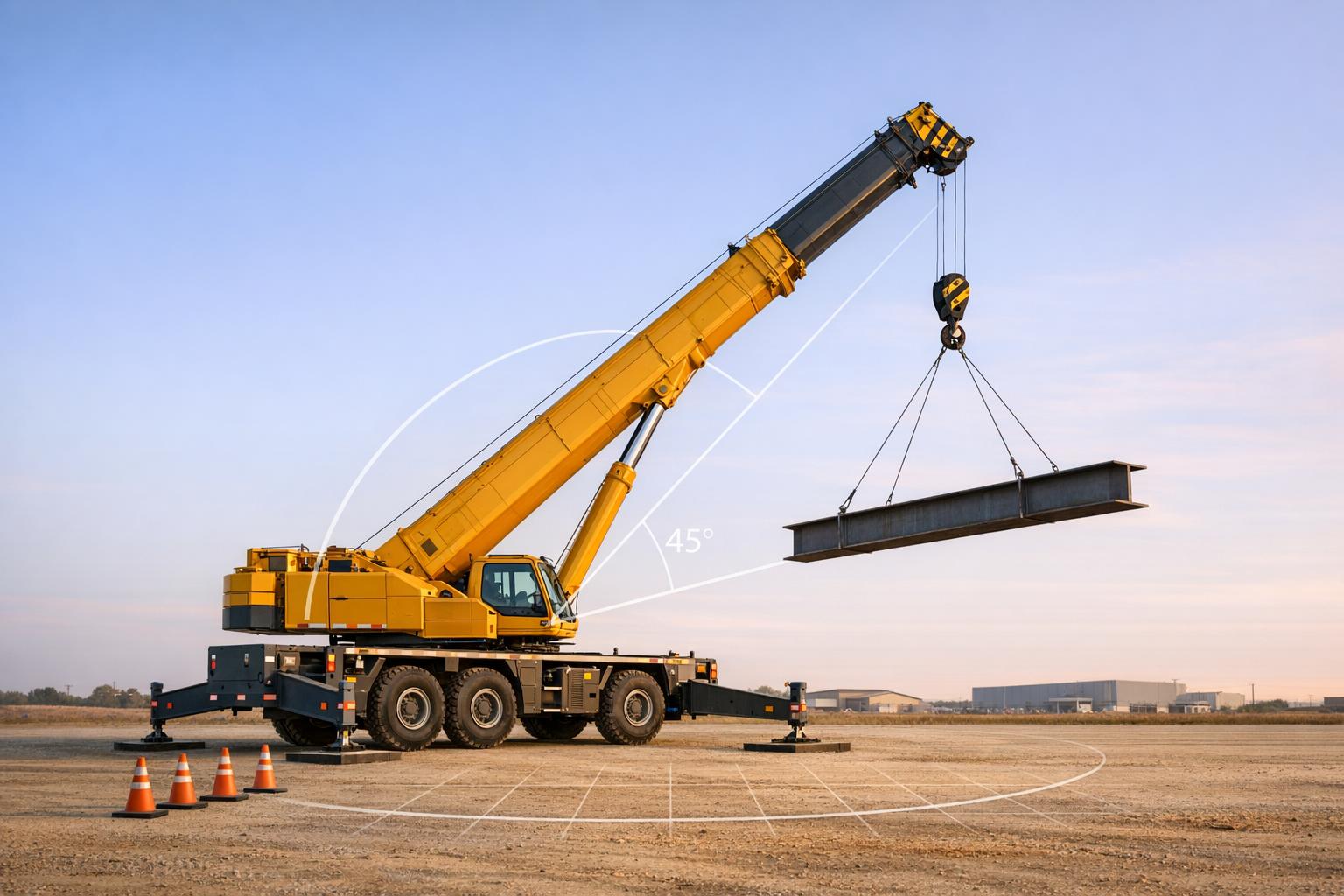
Crane Lifting Capacity Calculator
Estimate crane lifting capacity by crane type, boom length, load radius, and angle. Fast results with safety guidance and input summary.
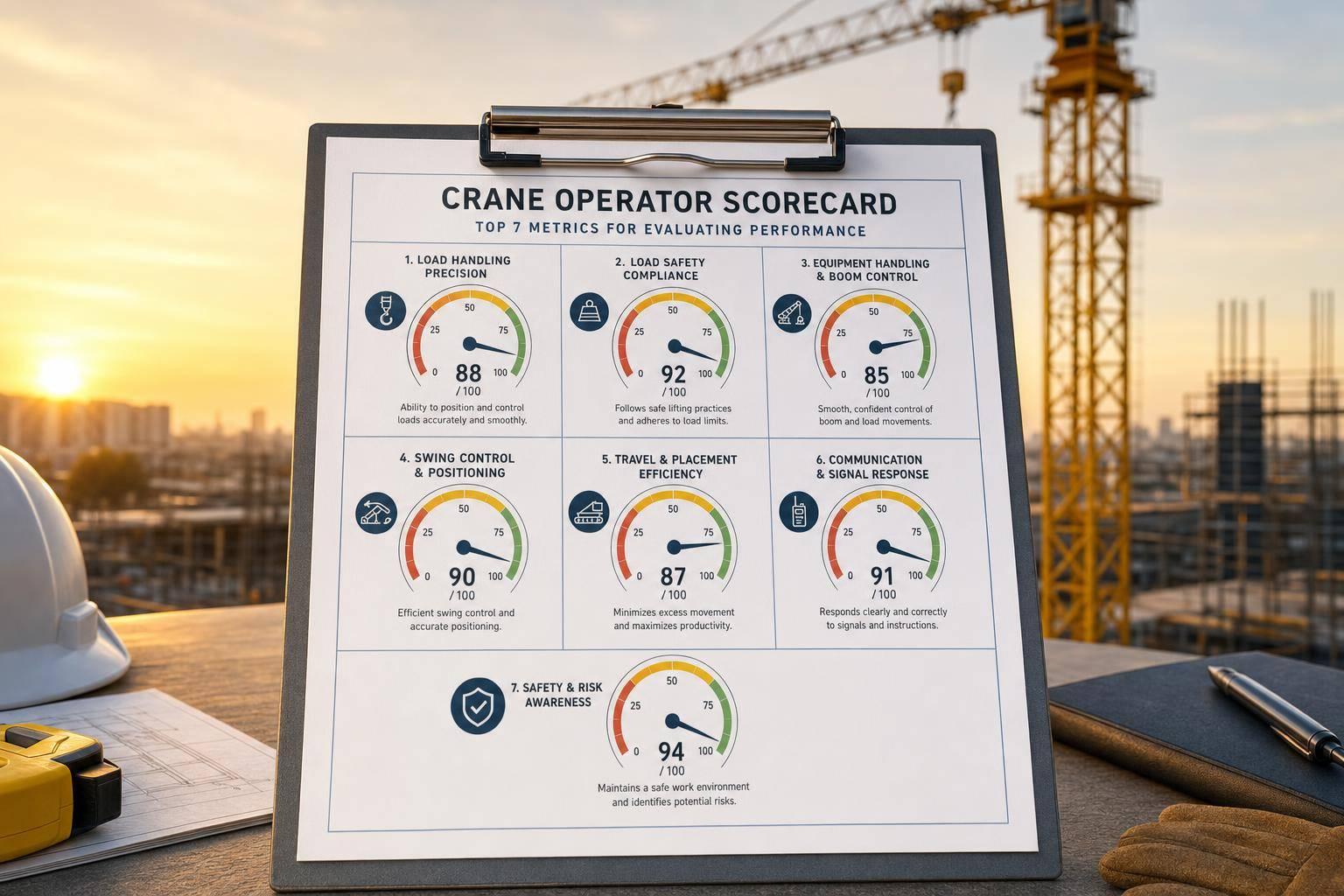
Top 7 Metrics for Evaluating Crane Operators
A single written scorecard of seven measurable metrics reveals real crane operator competence—beyond certifications.