
OSHA Compliance Safety Analyzer
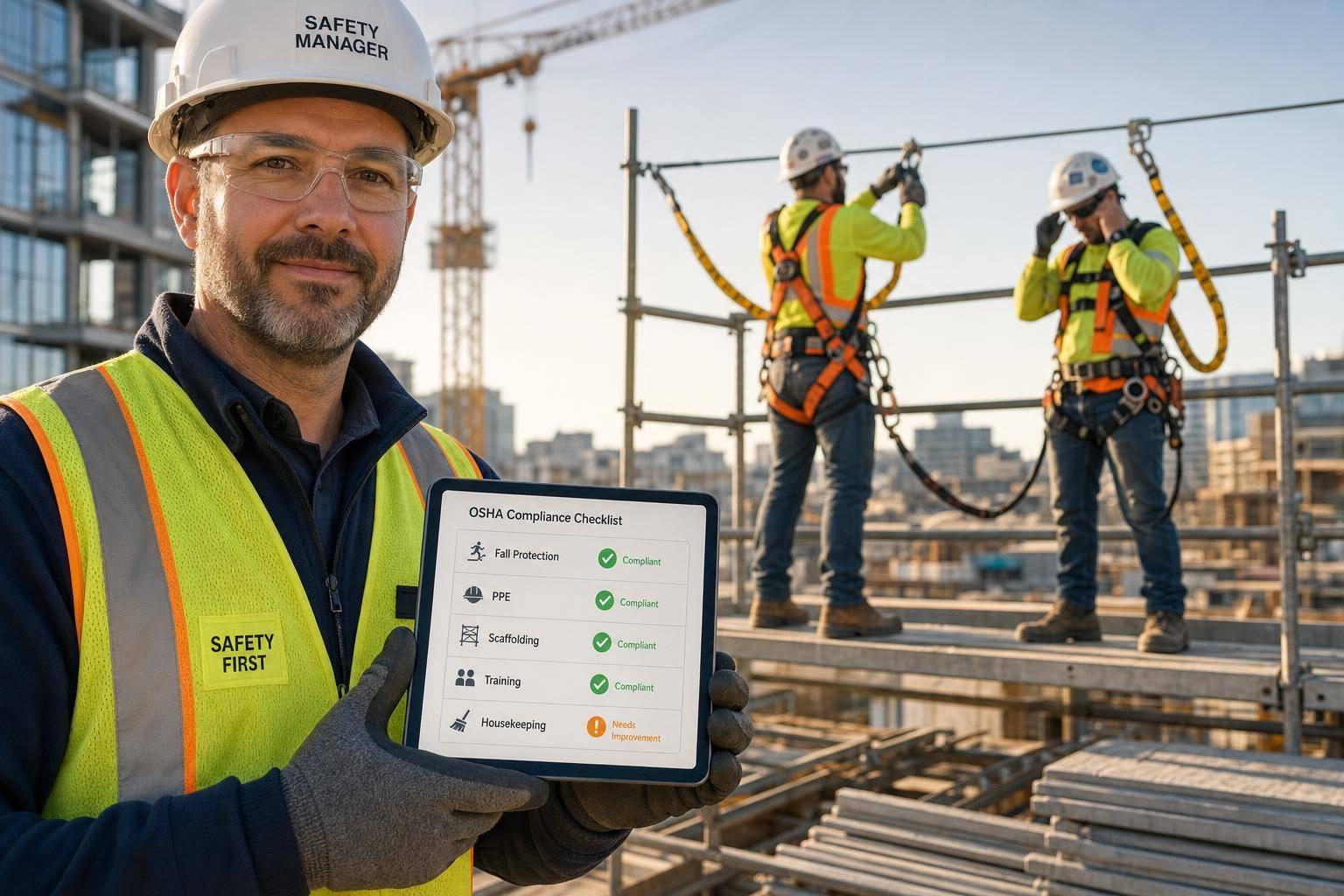
OSHA Compliance Safety Analyzer for Construction Sites
A Smarter Way to Review Jobsite Safety
An OSHA Compliance Safety Analyzer gives construction site managers a fast, practical way to review jobsite conditions before small gaps become serious problems. Whether you're overseeing high-rise work, excavation, or general site activity, safety depends on more than a checklist. Worker training, helmet availability, harness access, and fall protection planning all play a role in day-to-day risk.
Turn Site Inputs Into Clear Action
This tool helps translate basic field details into a useful compliance score and a readable report. Instead of sorting through requirements manually, managers can quickly see where their site may be exposed, including missing PPE, incomplete training coverage, or elevated work without proper protection above 6 feet. That makes it easier to prioritize fixes, brief supervisors, and document areas that need follow-up.
Built for Practical Safety Planning
A construction safety compliance checker is most useful when it leads to action. That’s why this tool highlights likely violations and offers straightforward recommendations, such as increasing trained worker coverage or providing additional harnesses. It supports better planning, stronger communication, and more consistent safety habits across the site, while making it clear that the results are guidance only and not a replacement for official inspections.
FAQs
Does this tool replace an OSHA inspection or a professional safety review?
No. This analyzer is designed as a practical guidance tool, not a substitute for an official OSHA inspection, a competent person’s assessment, or legal advice. It can help you spot obvious gaps early, prioritize corrective action, and prepare for a more formal review, but final compliance depends on the actual site conditions, the specific work being performed, and the applicable OSHA standards.
What kinds of issues can the tool identify?
It can flag common risk areas tied to construction safety, including missing or inadequate PPE, limited harness availability for elevated work, weak fall protection readiness, and low training coverage among workers. It’s especially useful for identifying patterns that often lead to citations or incidents, such as having a large crew on a high-risk job with incomplete equipment or too few trained workers.
How should I use the compliance score?
Use the score as a decision-making guide, not a final verdict. A higher score suggests stronger basic safety coverage, while a lower score points to conditions that need attention before work continues or expands. The most valuable part is the report behind the number, since it explains which gaps are driving the score and what corrective steps may improve safety performance.
Blogs, calculators, and other content on the TDS blog is for educational purposes only and does not constitute crane or rigging advice. For information specific to your situation, please contact us for an estimate or consultation.
Related Articles
Checklist for Crane Certification Compliance
Ensure safe crane operations with a comprehensive checklist for compliance, inspections, and operator certifications to avoid penalties and enhance reliability.
How to Choose the Right Crane for Your Project
Selecting the right crane for your project is essential for safety, efficiency, and cost management. Learn how to evaluate your needs and site conditions.
Ultimate Guide to Welding Inspection and Quality Control
Comprehensive guide to welding inspection and quality control: pre-weld checks, in-process monitoring, post-weld NDT, WPS/PQR compliance, and records.