
Steel Weight Calculator
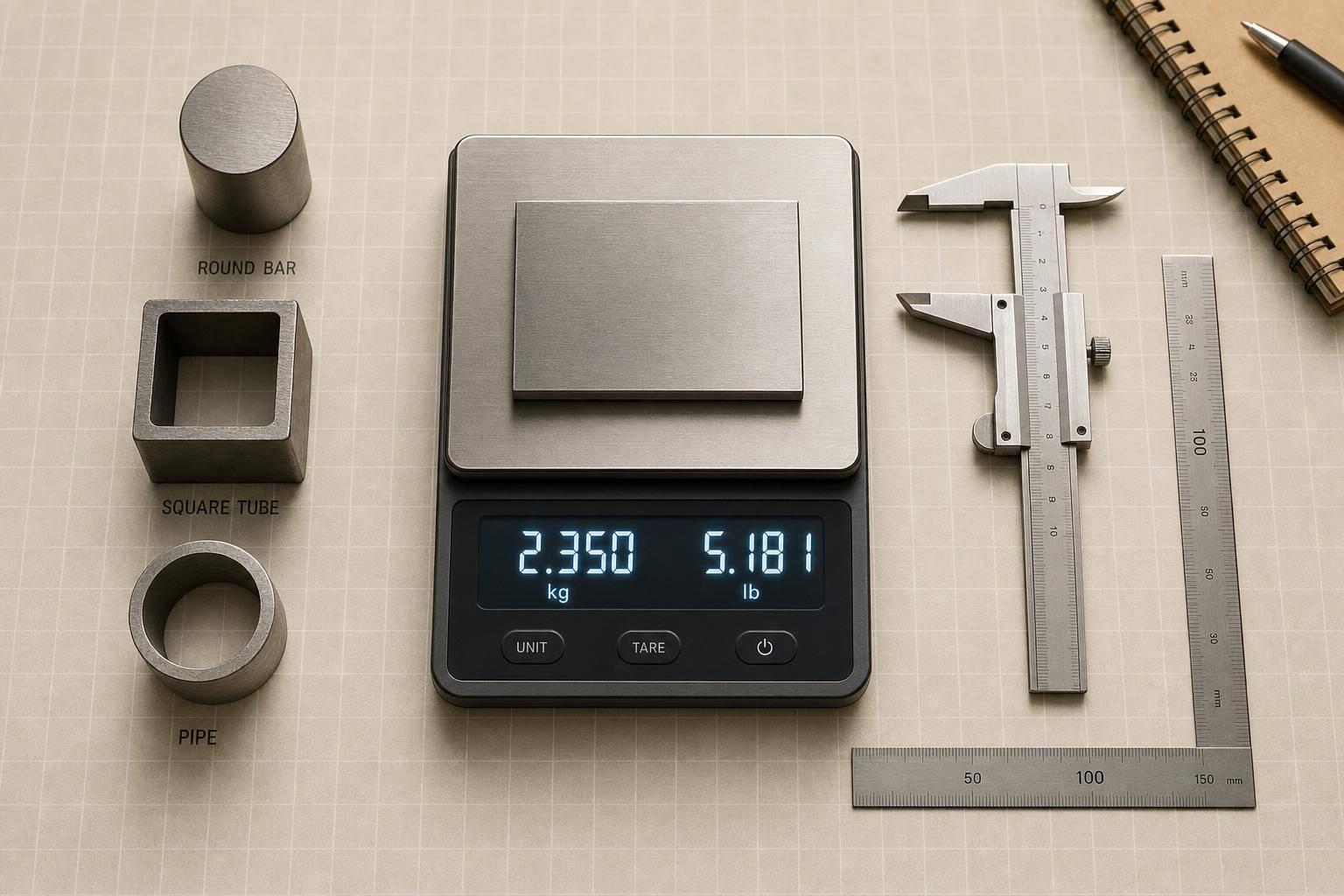
Practical Steel Weight Estimating
A Steel Weight Calculator is one of those shop and field tools that saves time every day. Whether you're pricing a job, planning material handling, or checking how much stock to order, quick weight estimates help keep fabrication and construction work moving. Instead of jumping between formulas, tables, and unit conversions, you can enter the shape, dimensions, length, and quantity and get a clear result right away.
Built for Common Shop Shapes
This calculator covers round bar, square bar, flat bar, steel plate, pipe, and tube using standard geometric formulas. For shapes like angle, channel, and beam, it also supports handbook-style weight-per-length inputs, which is often the more practical method when profile details matter. That makes it useful for both rough takeoffs and day-to-day estimating.
Clear Results Without the Guesswork
A good steel weight calculator should do more than return one number. This one shows weight per piece, total weight, and conversions in pounds and kilograms, while also summarizing the formula used. It’s a simple way to double-check material loads, compare options, and stay organized during bidding or production planning. For final procurement or structural decisions, published mill data should still be your last word.
FAQs
How accurate is the steel weight result?
For round bar, square bar, flat bar, plate, pipe, and rectangular tube, the result is typically very solid when your dimensions are accurate and you’re using standard steel density. Real-world weight can still vary a bit because of mill tolerances, alloy differences, corner radii, coatings, and manufacturing methods. For purchasing, freight, or structural work, it’s smart to confirm final values against supplier data or certified mill information.
Why use weight per foot or per meter for beams, channels, and angles?
Structural shapes often have standardized profiles with fillets, tapered flanges, and dimensions that don’t translate cleanly into a simple geometric estimate. That’s why published handbook values are usually the better choice. If you already have a weight per foot or weight per meter from a catalog, shop drawing, or steel manual, this tool lets you use that directly for a more dependable total.
Can I switch between imperial and metric units?
Yes. The calculator is designed to work with inches and feet or millimeters and meters, depending on how your job is dimensioned. It also converts the final result into both pounds and kilograms, which is helpful when you’re estimating, comparing supplier data, or coordinating with teams that use different unit systems.
Blogs, calculators, and other content on the TDS blog is for educational purposes only and does not constitute crane or rigging advice. For information specific to your situation, please contact us for an estimate or consultation.
Related Articles
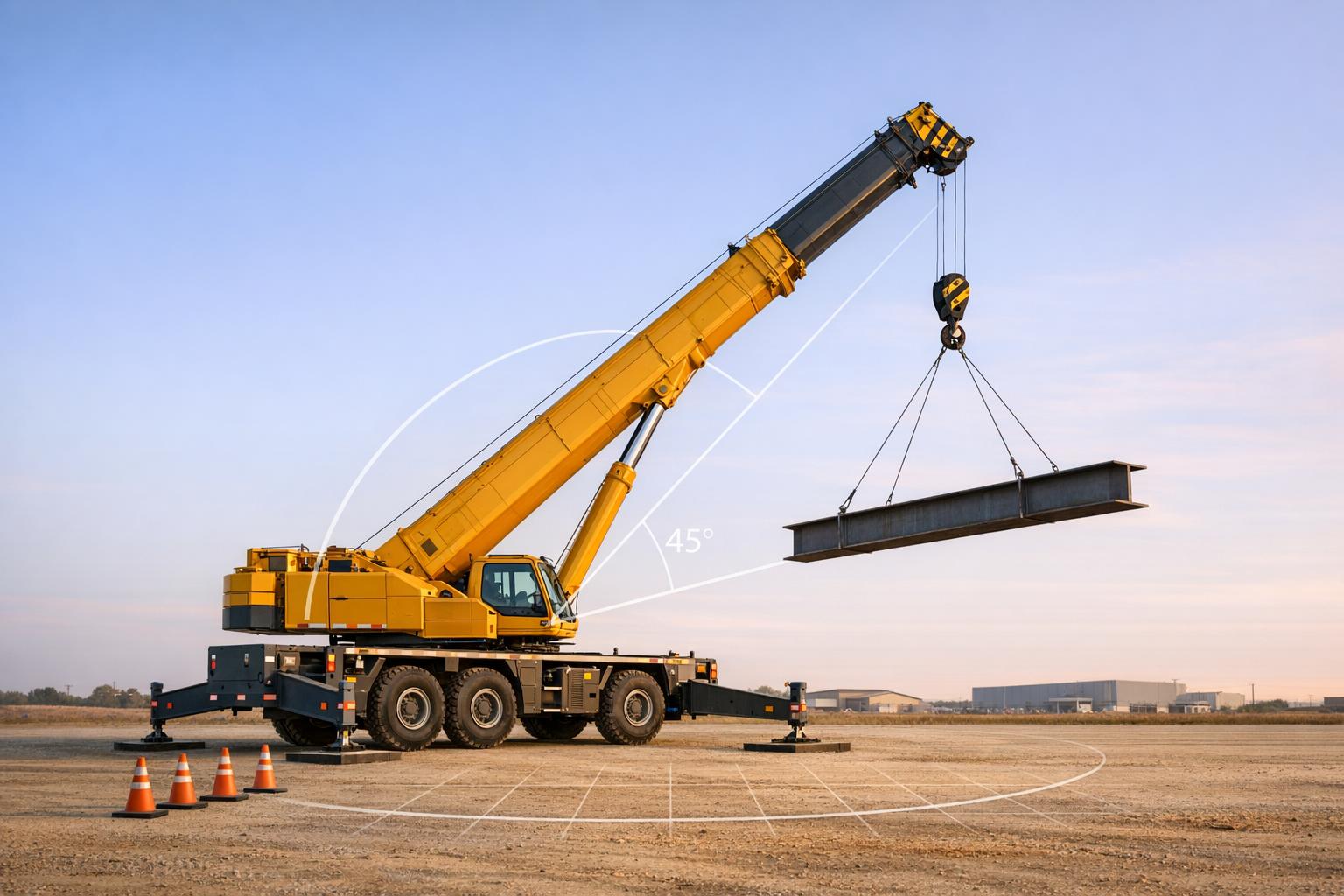
Crane Lifting Capacity Calculator
Estimate crane lifting capacity by crane type, boom length, load radius, and angle. Fast results with safety guidance and input summary.

NCCCO Certification Training: Why Working With a Trainer Helps You Get Certified
Trainer-led NCCCO prep combines tailored study, hands-on seat time, and exam strategies to boost pass rates and launch higher-paying crane careers.

Crane Safety in Emergency Evacuations
Understanding crane safety during emergencies is crucial to prevent accidents and ensure effective evacuations at construction sites.