
Heavy Equipment Load Capacity Checker
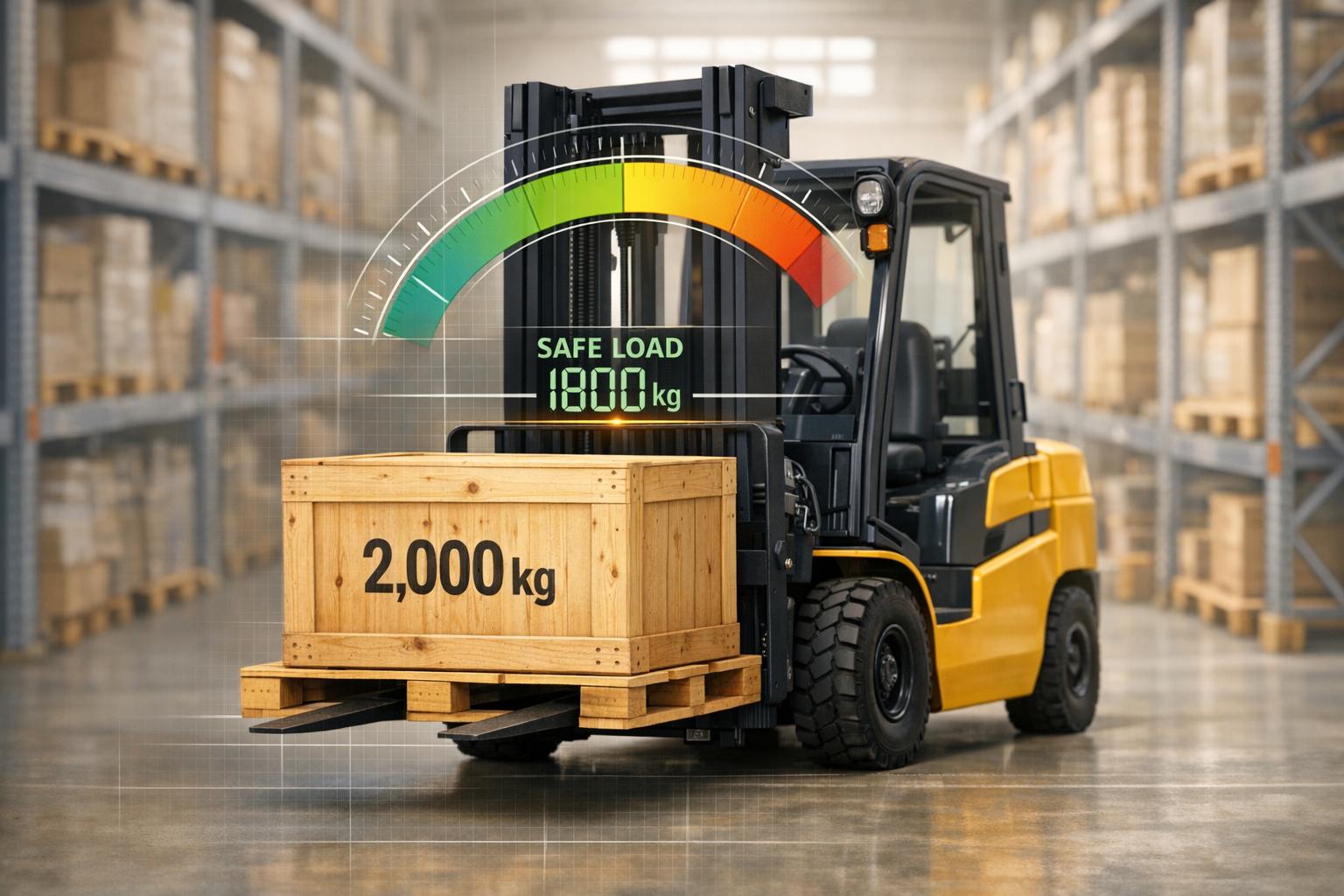
Ensure Safety with a Heavy Equipment Load Capacity Checker
When working in construction or logistics, safety is non-negotiable. Overloading equipment like forklifts or excavators can lead to accidents, costly damage, or worse. That’s where a reliable load capacity tool comes in handy. It helps operators double-check whether their machinery can handle a specific weight, factoring in practical buffers for real-world conditions.
Why Load Limits Matter
Every piece of heavy machinery has a maximum weight it’s designed to carry. Exceeding this can strain components, tip the balance, or cause mechanical failure. Whether you’re moving materials on a forklift or shifting earth with a bulldozer, knowing your limits keeps the job site secure. A quick digital check can save hours of manual calculations and prevent risky guesswork.
Streamline Operations with Smart Tools
Modern job sites thrive on efficiency. Using a weight safety calculator means you’re not just protecting your team but also optimizing workflows. Input the details, get instant feedback, and make informed decisions without delay. For professionals juggling tight deadlines, this kind of resource is a game-changer, ensuring compliance with safety standards while keeping projects on track.
FAQs
Why should I include a safety margin when checking load capacity?
A safety margin reduces the equipment’s maximum capacity to account for real-world variables like uneven terrain, operator error, or wear and tear. For instance, a 10% margin on a 5,000-lb forklift capacity drops it to 4,500 lbs, giving you a buffer. It’s a smart way to minimize risks, especially on busy job sites where conditions aren’t always perfect. You can adjust the percentage based on your comfort level or company policies.
Can I use this tool for equipment not listed in the dropdown?
Right now, the tool includes common types like forklifts, excavators, and bulldozers with predefined max capacities. If your equipment isn’t listed, you can’t input a custom capacity yet—but we’re working on expanding options! For now, if you’ve got specs for unlisted gear, compare them manually with your load weight and apply a safety buffer. Drop us a note if there’s a specific type you’d like us to add.
How does the tool handle different weight units like pounds and kilograms?
We’ve made it super simple. You can enter your load weight in either pounds or kilograms—just toggle between the two units as needed. The tool automatically converts your input to match the equipment’s capacity unit (usually pounds for most standard specs). So, if you input 2,000 kg, it’ll convert to lbs before comparing against, say, a forklift’s 5,000-lb limit. No math on your end; we’ve got it covered!
Blogs, calculators, and other content on the TDS blog is for educational purposes only and does not constitute crane or rigging advice. For information specific to your situation, please contact us for an estimate or consultation.
Related Articles
Steel Fabrication Unit Converter
Convert steel fabrication units fast—weight, length, area, and volume with accurate formulas, clean results, and a handy reference table.
How Structural Welding Impacts Equipment Durability
Explore how structural welding enhances equipment durability, reduces maintenance costs, and ensures long-lasting performance in heavy machinery.

OSHA Rules for Powered Industrial Trucks
Summary of OSHA 29 CFR 1910.178: required operator training, daily inspections, maintenance, safe operation, and approved repairs for powered industrial trucks.