
OSHA Safety Standards Analyzer

Ensure Construction Site Safety with an OSHA Compliance Tool
Running a construction site comes with enough challenges without worrying about OSHA violations. That’s where a digital safety standards analyzer can be a game-changer. This kind of tool helps site managers quickly assess whether their safety practices align with federal regulations, saving time and potentially hefty fines. By inputting details about your worksite—whether it’s general construction, roofing, or excavation—you can uncover gaps in your current measures and get straightforward guidance on fixing them.
Why Proactive Safety Checks Matter
Staying ahead of compliance issues isn’t just about avoiding penalties; it’s about protecting your team. OSHA rules are designed to minimize risks like falls, equipment mishaps, or trench collapses, which are all too common in this industry. A web-based checker for worksite safety standards lets you compare your setup against key requirements, flagging areas that need attention before an inspection happens. It’s a practical way to build a safer environment while keeping your project on track. Whether you’re a small contractor or managing large-scale builds, integrating regular safety assessments into your routine can make all the difference in maintaining a secure, regulation-ready site.
FAQs
How accurate is this OSHA Safety Standards Analyzer?
This tool is built on a database of common OSHA standards for construction categories like roofing and excavation. While it’s not a replacement for a certified OSHA inspector, it’s a solid starting point to identify potential issues. It cross-references your inputs with key regulations and highlights where you might be falling short. For full peace of mind, always consult the latest OSHA guidelines or a professional for complex situations.
Can this tool help with multiple worksite types?
Absolutely! The analyzer lets you choose from different categories like General Construction, Roofing, or Excavation. Each one pulls up a unique set of activities and OSHA requirements specific to that type of work. So whether you’re managing a high-rise build or a trench operation, you’ll get relevant feedback tailored to your site’s needs. Just run it separately for each category if you oversee mixed projects.
What do I do if my site shows as non-compliant?
Don’t panic—our tool doesn’t just flag issues; it gives you a nudge in the right direction. For each non-compliant area, you’ll see a brief note on what’s missing (like fall protection gear) and a practical tip to address it. You might need to install equipment, update training, or revise protocols. Use the report as a checklist to tackle high-priority fixes first, and consider reaching out to an OSHA consultant if the issues are extensive.
Blogs, calculators, and other content on the TDS blog is for educational purposes only and does not constitute crane or rigging advice. For information specific to your situation, please contact us for an estimate or consultation.
Related Articles
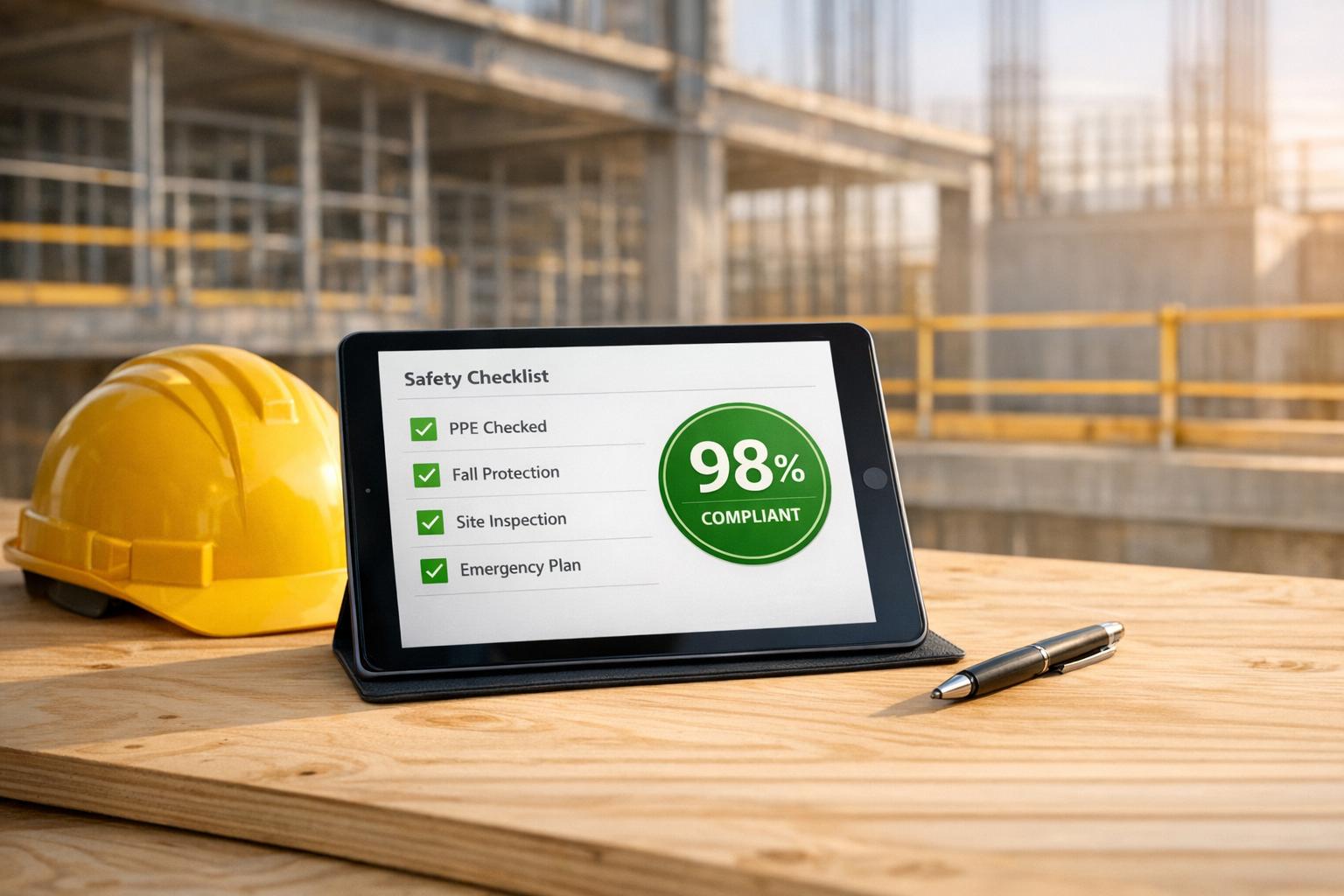
Construction Project Safety Checker
Assess jobsite safety in minutes with a simple checklist, compliance score, and practical recommendations to address common construction risks.
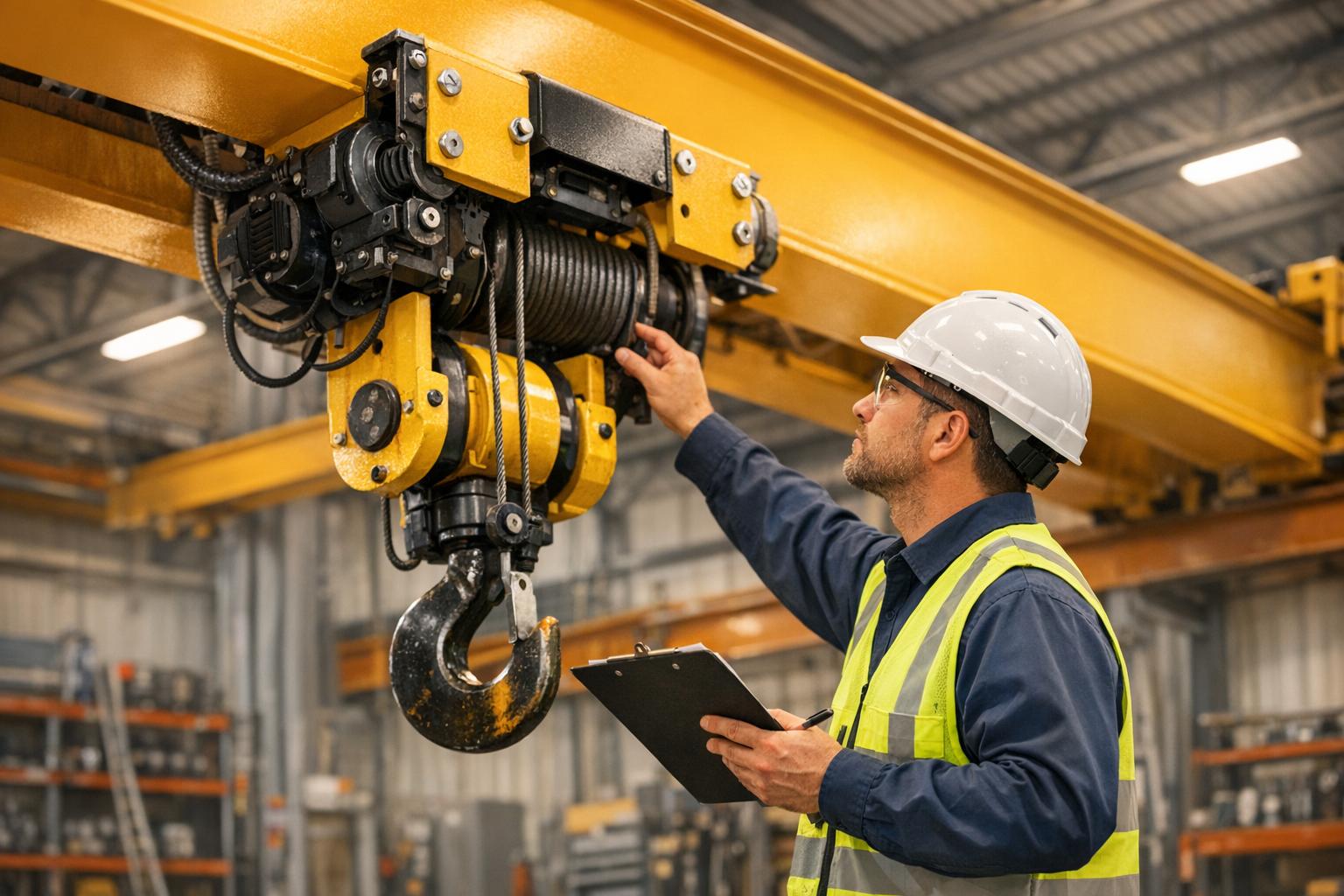
Crane Inspection Requirements: OSHA Guidelines Explained
Clear guide to OSHA crane inspection types, required frequencies, inspector qualifications, documentation, post-repair/idle checks, and CMAA Spec 78 updates.
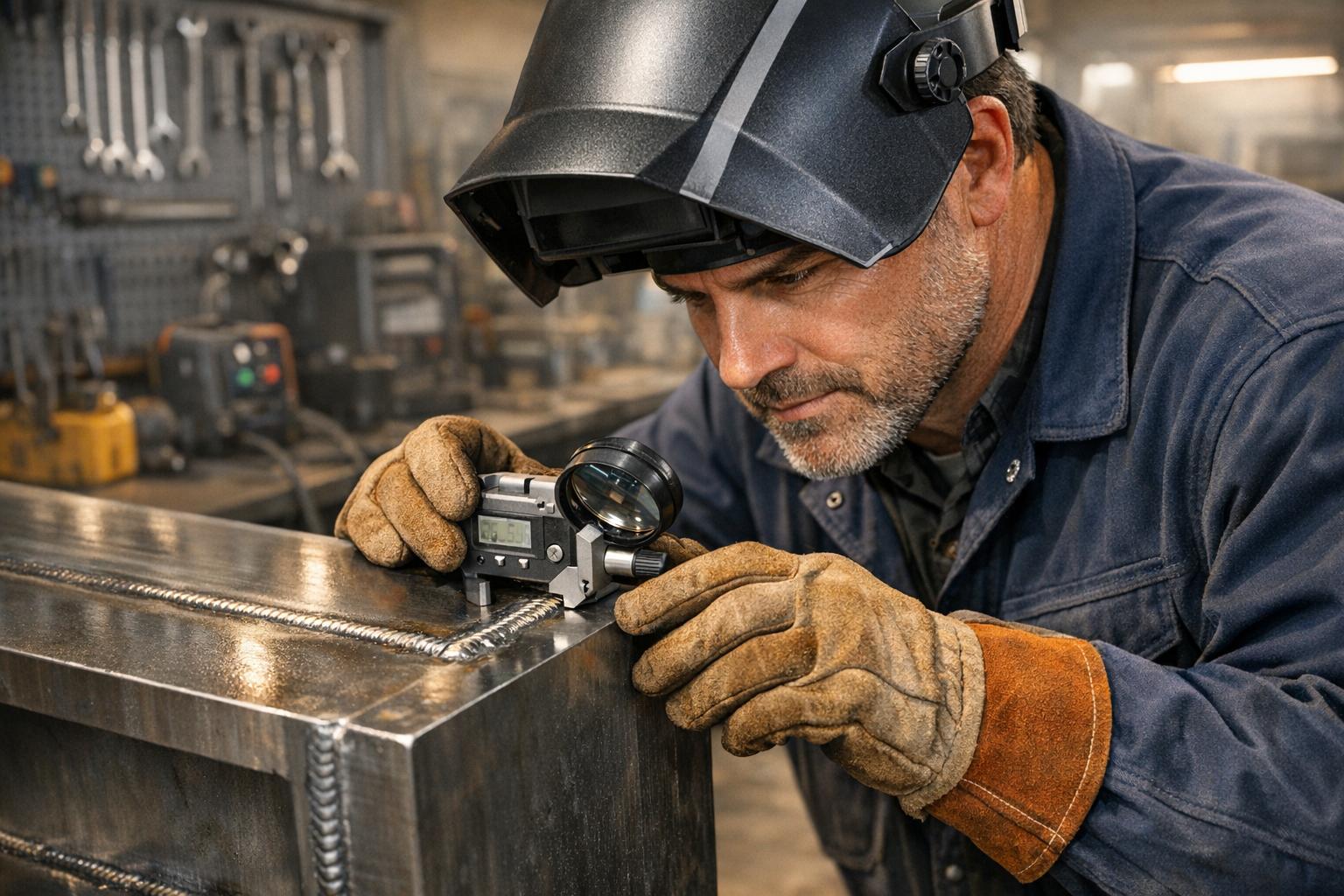
Ultimate Guide to Welding Inspection and Quality Control
Comprehensive guide to welding inspection and quality control: pre-weld checks, in-process monitoring, post-weld NDT, WPS/PQR compliance, and records.